Customer lifecycle marketing is the practice of shaping engagement across the moments before, during, and after purchase. In loyalty, that means looking beyond one formal program event and using smaller, well-timed interactions to reinforce value, encourage the next action, and keep the relationship moving.
60-second view
Not every loyalty moment needs to be a major points event or a large-scale retention campaign.
Some of the most commercially useful opportunities are smaller than that. A welcome nudge after sign-up. A post-purchase surprise that gives the customer a reason to come back. A milestone moment that recognizes progress. A reactivation prompt that feels more rewarding than another discount-first email.
That shift matters because customer expectations keep rising. Salesforce says 80% of customers say the experience a company provides is as important as its products and services, and 73% expect better personalization as technology advances. At the same time, marketers are under pressure to deliver more connected, personalized engagement while improving efficiency.
For senior CRM and customer leaders, the practical question is not whether to “do loyalty.” It is where loyalty touchpoints fit across the journey, and which of those moments deserve a more active, more memorable experience. That is where branded interactive promotions can help, provided they are used selectively and in a way that supports the wider lifecycle, not distracts from it.
Why lifecycle attention points matter
A lot of loyalty strategy still gets discussed as if it lives in one place: the loyalty program itself.
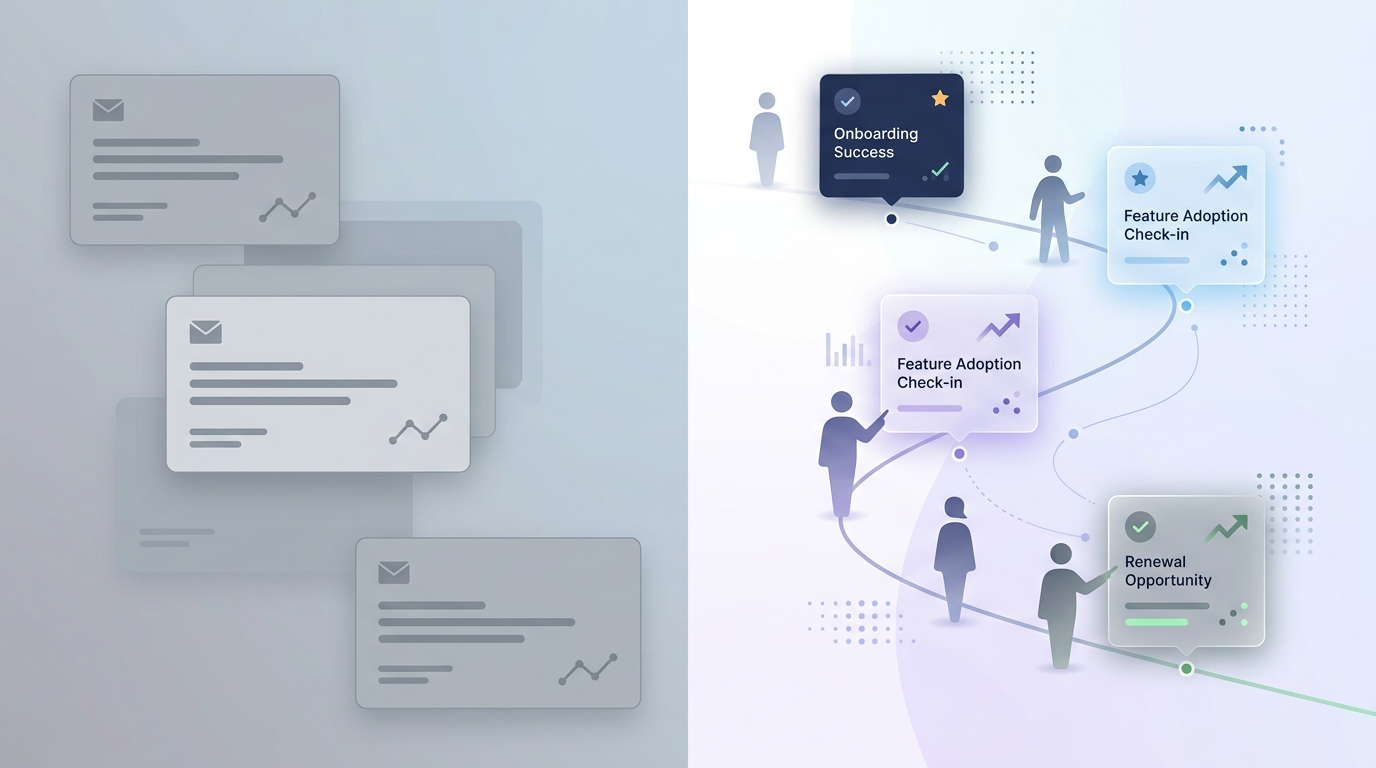
That is too narrow for how customer relationships actually work. Customers do not experience a brand in neat categories like acquisition, loyalty, retention, and advocacy. They experience a series of moments. Some are transactional. Some are emotional. Some are routine. Some are surprisingly influential precisely because they are small.
That is why lifecycle attention points matter. They are the moments when a customer is deciding, often quickly and quietly, whether this brand still feels relevant enough to return to.
The commercial problem is that many of those moments are currently handled in flat ways. A welcome email that explains everything and inspires nothing. A post-purchase message that confirms the order but misses the chance to build habit. A lapse warning that arrives late and sounds like every other win-back send. A milestone note that technically acknowledges the customer but does not make them feel seen.
These are not dramatic failures. They are missed opportunities.
That matters more now because the broader market is crowded, and passive communication is harder to notice. HubSpot’s 2025 marketing trends coverage points to the growing need for relevance, differentiation, and smarter automation rather than simply producing more content. In lifecycle terms, that pushes teams to think more carefully about what each customer moment is meant to do.
A useful way to think about loyalty, then, is not as one large mechanism but as a series of micro-moments. Each one is small on its own. Together, they shape whether the relationship deepens, drifts, or disappears.
BeeLiked’s own rulebook leans in this direction. It explicitly frames modern loyalty as broader than points and generic discounts, and highlights the role of interactive promotions in onboarding, milestones, reactivation, and surprise-and-delight, while warning against over-claiming BeeLiked as a full enterprise loyalty platform.
The best loyalty moments before and after purchase
The strongest lifecycle programs do not try to make every touchpoint exciting. They identify the moments where a better value exchange can change customer behavior.
Welcome
A welcome journey is often the first place brands miss the chance to build loyalty.
Most welcome flows are heavy on explanation and light on momentum. They explain account benefits, newsletter preferences, shipping policies, app downloads, and maybe a first-purchase offer. That information may be useful, but it does not always create a memorable start to the relationship.
A better question is: what should the customer do next, and what would make that next step feel worthwhile?
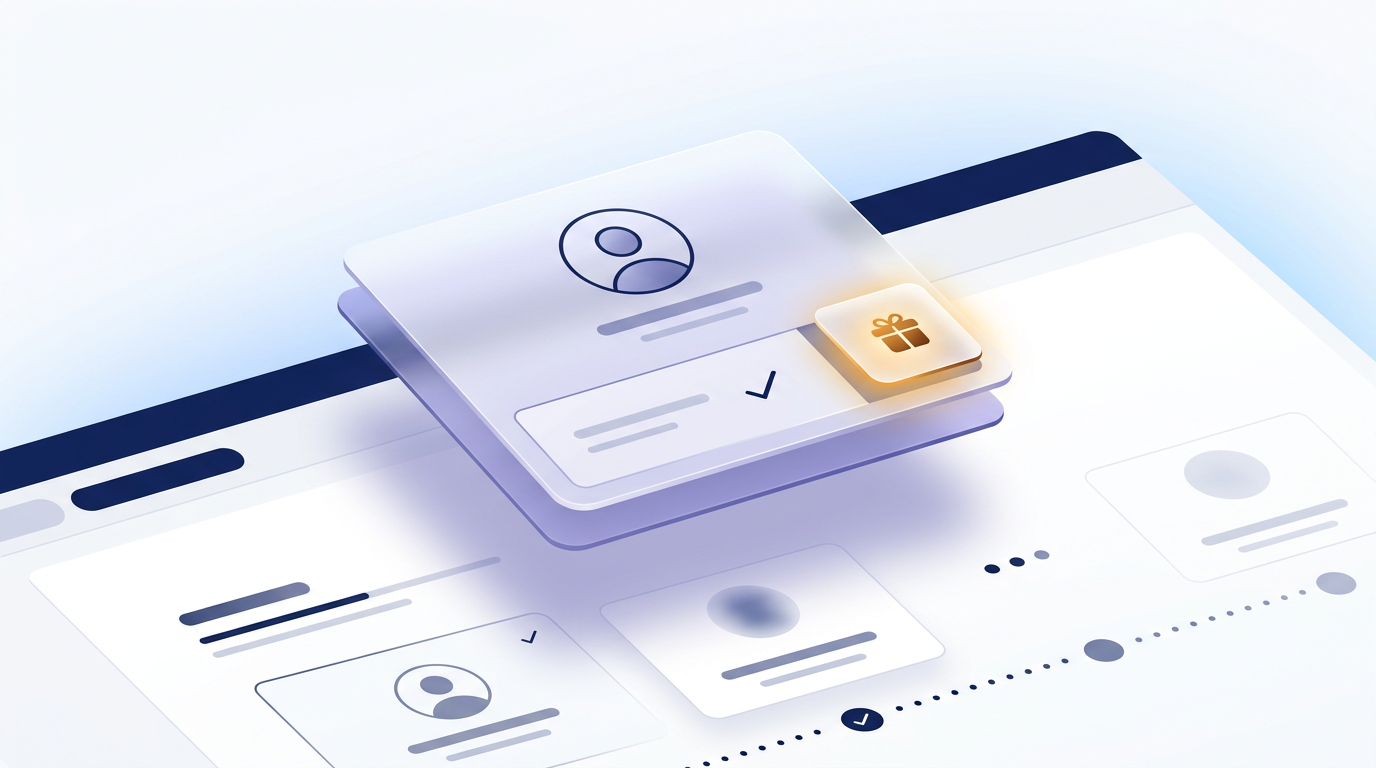
Sometimes that is simply encouraging profile completion, first purchase, or first category exploration. Sometimes it is rewarding the act of joining with a light-touch moment that feels more intentional than a static code in an email footer.
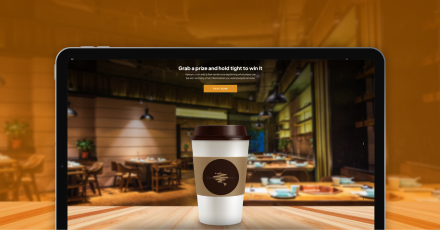
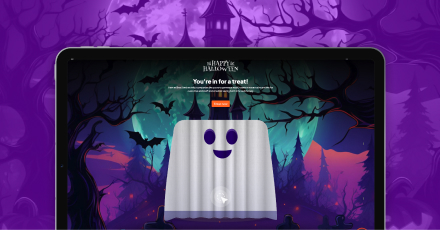
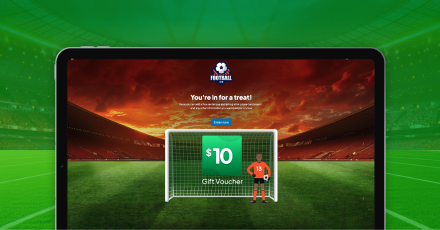
This is where a Click to Reveal mechanic can make sense. Not as a gimmick, but as a cleaner welcome exchange. The customer takes a small action and receives a small, immediate reward or benefit. That interaction can create more energy than a plain “here is your offer” message because it turns the first step into participation.
This matters commercially because early momentum often shapes the rest of the lifecycle. A customer who completes profile setup, takes a first action, or returns within the first few days is usually more valuable than one who signs up and then goes quiet.
Usage and habit
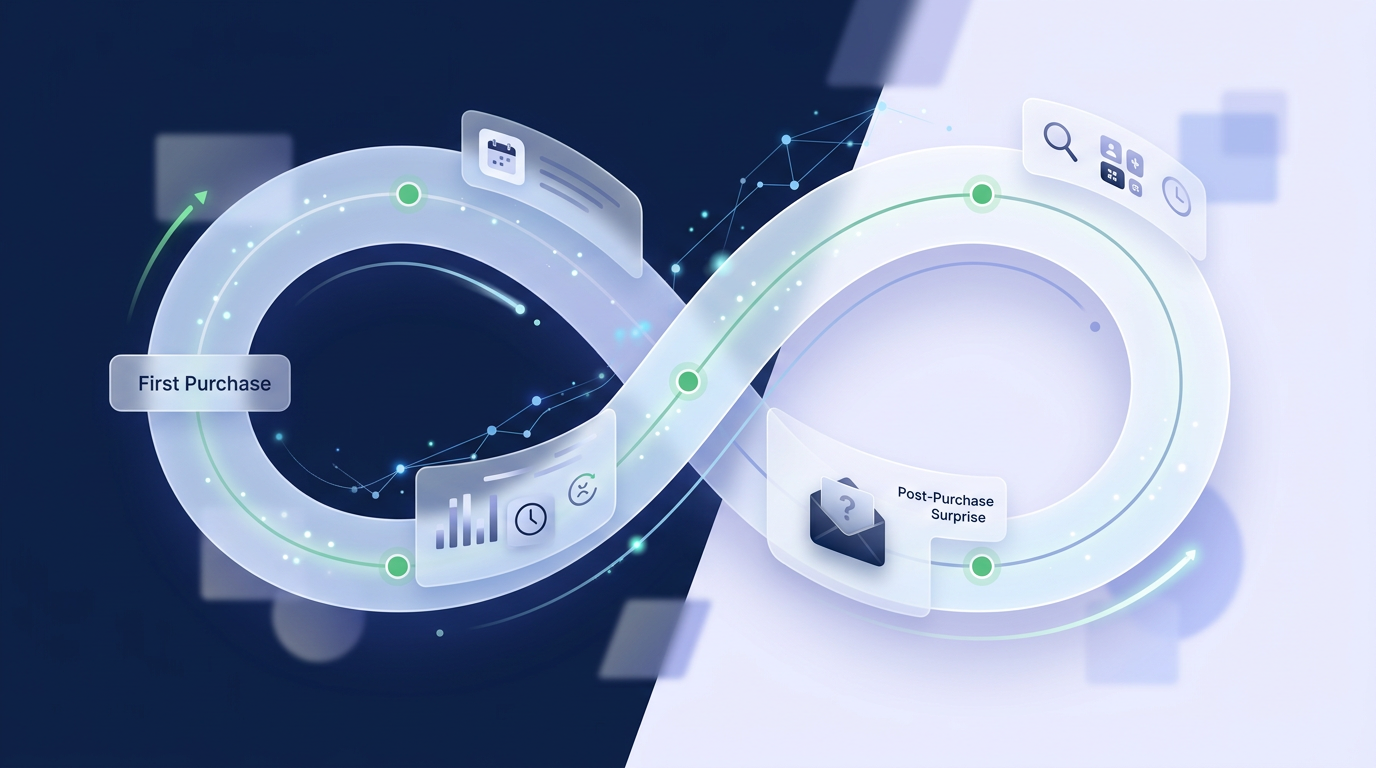
The quiet middle of the lifecycle is where much of the retention value is won or lost.
This is the stage after the first purchase or initial sign-up, when the customer is no longer new but has not yet formed a clear habit. Many brands over-focus on acquisition at this point and leave the middle under-designed. The result is a long stretch of routine messages that keep the database warm but do little to deepen behavior.
This is where micro-moments of loyalty can be especially effective. A post-purchase surprise. A reward for a second visit. A small interaction after a usage milestone. A nudge tied to replenishment timing or category exploration. None of these needs to be large. They need to feel timely.
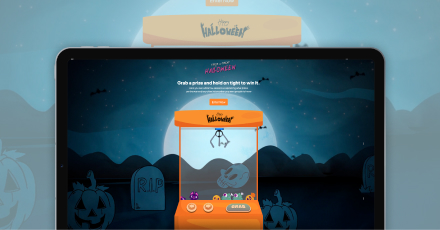
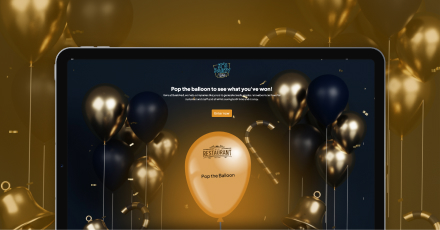
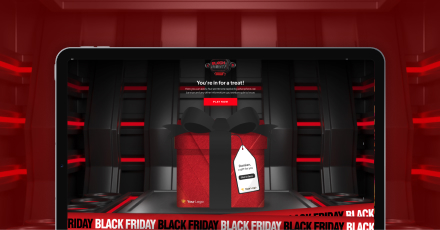
For example, a customer who has made a first purchase but not returned within the expected window might respond better to a small interactive moment than to another generic promotion. A Mystery Envelope can work well here when the goal is to create curiosity and give the customer a fresh reason to re-engage.
This is also where the lifecycle view helps avoid overusing discounts. Not every loyalty touchpoint needs to offer money off. Some work better as recognition, surprise, or member-only access. The point is to reinforce the behavior you want next, not to train customers to wait for a markdown.
Milestone and advocacy
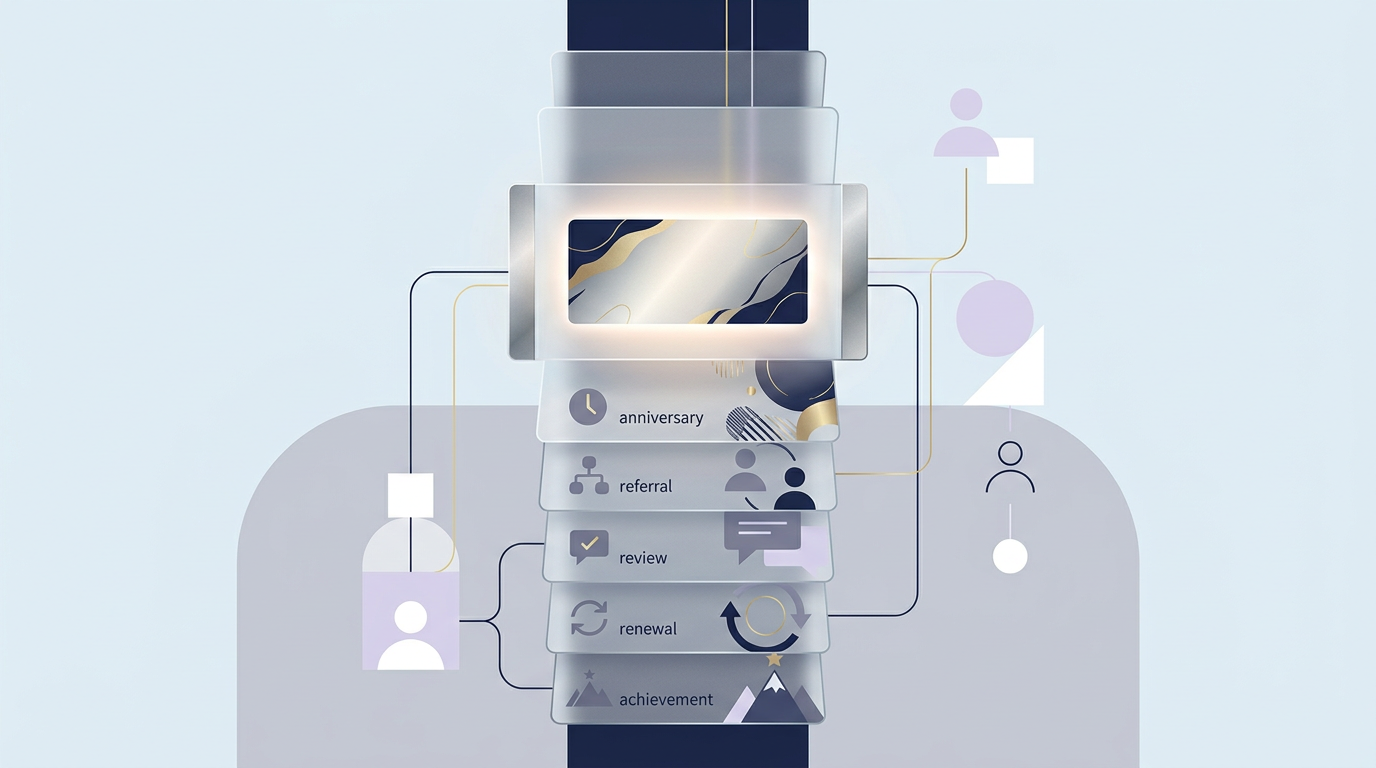
Milestone moments are often underused because they look small in reporting but large in customer memory.
A purchase anniversary, a membership threshold, a points balance milestone, a referral action, a review submission, or a “you’ve completed X” message can all become loyalty signals. The problem is that many brands acknowledge these moments mechanically. The customer gets a template email that says the right thing and feels forgettable.
A better approach is to make milestone recognition feel more intentional. That does not require a major campaign. It requires a clearer experience around the recognition itself.
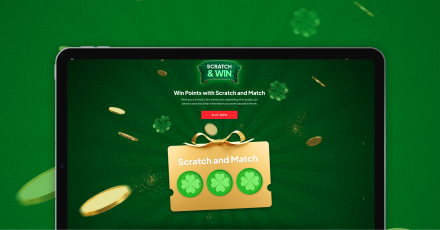
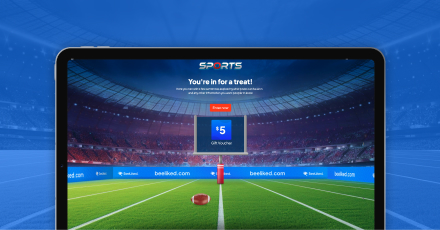
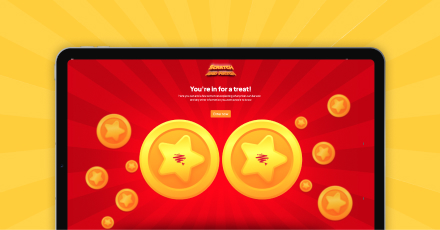
A Scratch-Off can work well in this context because it adds a lightweight reward reveal to the milestone. The customer is not just told they have reached something. They are invited into a moment that feels earned.
Advocacy works similarly. If a customer refers, reviews, renews, or shares, the follow-up should reflect the fact that they have contributed to the relationship, not merely completed a transaction. Those are good places to use interactive rewards selectively, because the interaction reinforces recognition rather than trying to manufacture excitement out of nowhere.
Mechanic-to-moment matching
One of the fastest ways to weaken lifecycle engagement is to use the same mechanic everywhere.
Good customer lifecycle marketing depends on fit. The right mechanic depends on the moment, the audience, and the behavior the brand is trying to encourage.
For welcome and low-friction onboarding, reveal-style mechanics usually work best because they are simple and immediate. The customer should not need much explanation.
For post-purchase or mid-lifecycle nudges, curiosity-led formats can work well when the aim is to bring the customer back without making the reward structure feel too heavy.
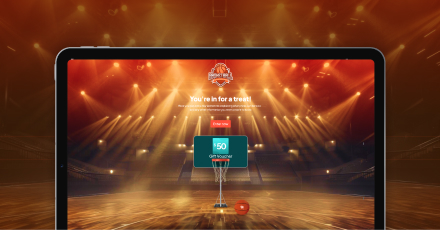
For milestones, advocacy, or member recognition, reward reveals can add emotional weight to a moment the customer has already earned.
The important point is that the mechanic is not the strategy. The strategy is matching the experience to the job. BeeLiked’s rulebook is explicit here too: interactive promotions can support loyalty moments and journeys, but the broader program logic still needs fairness, personalization, and sensible reward design. It also warns against presenting BeeLiked as a points wallet or full loyalty back end, which is exactly the boundary lifecycle teams should keep in mind.
That is why small loyalty moments usually work best when they are integrated into a wider CRM program. The campaign logic, segmentation, and timing still belong in the customer journey. The interactive layer simply makes selected moments more active and more memorable.
Governance, frequency, and fatigue
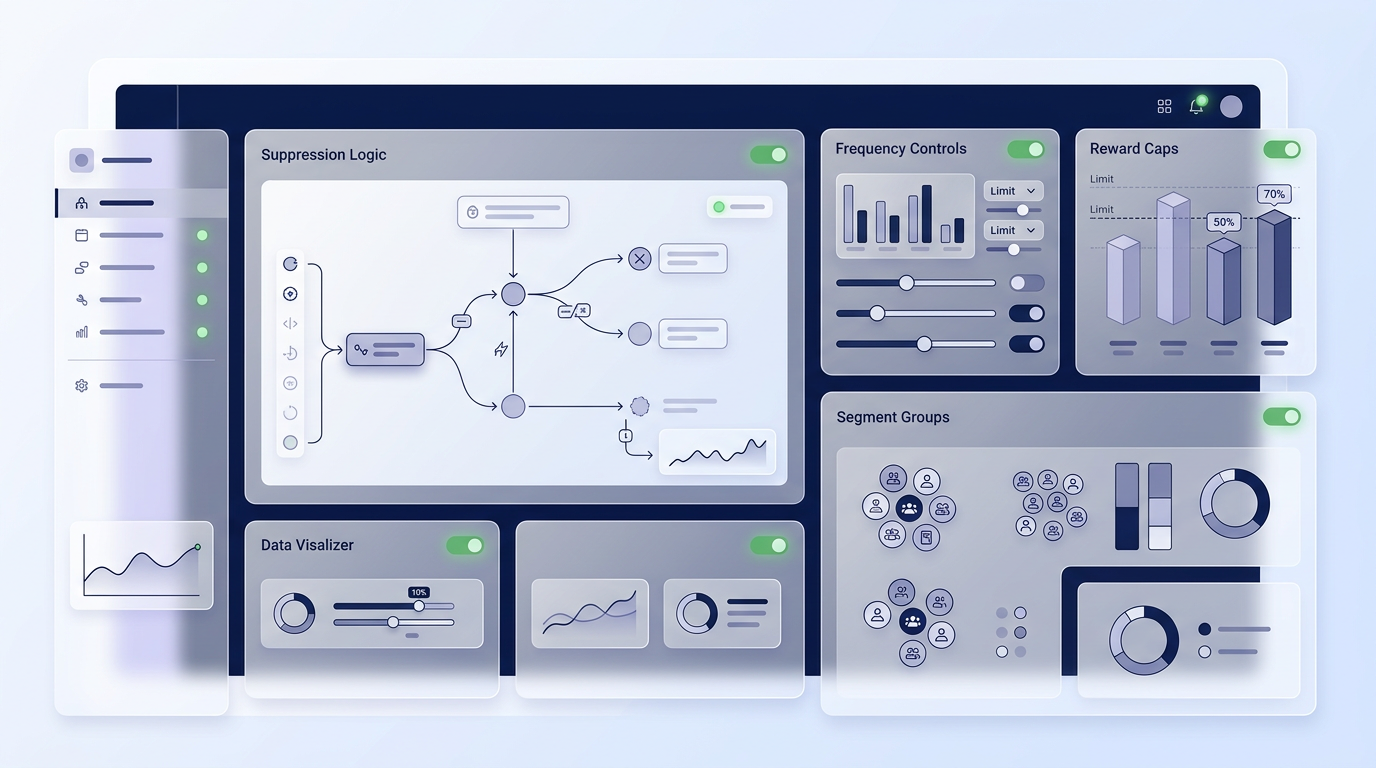
There is a risk in talking about micro-moments of loyalty: teams can start to imagine that more interactions automatically mean more loyalty.
They do not.
Too many interactive prompts can create fatigue just as easily as too many promotional emails. Customers do not want every message turned into a game. They want the right moments to feel relevant, useful, and well judged.
That means governance matters.
First, decide which lifecycle moments actually deserve an enhanced experience. A short list is usually better than a long one.
Second, cap frequency. If a customer sees an interactive reward every few days, the format loses its meaning, and the cost discipline weakens.
Third, segment carefully. A high-value member, a new customer, and a dormant low-frequency buyer should not all receive the same treatment.
Fourth, define the reward logic in advance. What is fixed, what varies, what is capped, and what should trigger suppression from future messages?
This is also where fairness and promotion-law discipline matter. BeeLiked’s approved game formats used here are chance-based in functional terms, with outcomes controlled by configured odds and logic, and BeeLiked positions them as marketing promotions rather than gambling products. Any promotion-law considerations here are general information only, not legal advice, and brands should consult their own legal counsel before launch.
In other words, the aim is not to “gamify the lifecycle.” It is to identify a few points where a better reward moment supports retention, recognition, or repeat behavior in a controlled way.
Where BeeLiked fits
BeeLiked fits as a flexible engagement layer across the customer lifecycle, not as a full loyalty back end.
That distinction matters. For CRM and customer leaders, BeeLiked’s role is to help create branded, incentive-led moments that sit within wider lifecycle journeys, whether those are public acquisition and data-capture campaigns or private, invite-only retention and reward experiences for specific segments. The rulebook also makes clear that BeeLiked can participate in journeys orchestrated by external systems, with controlled rewards, eligibility rules, and reporting at participant, segment, and campaign level.
In practical terms, that makes BeeLiked relevant for welcome moments, post-purchase surprise-and-delight, reactivation prompts, milestone recognition, and other loyalty touchpoints where a static message may underdeliver. The value is calm and operational rather than dramatic: creative control, configurable odds and reward caps, support for public and private journeys, and the ability to make selected moments feel more considered.
If security review is part of the conversation, then we’ve got you covered as BeeLiked is ISO/IEC 27001:2022 and SOC 2 certified.
Decisions & next steps
The shift here is simple: from thinking about loyalty as one big program moment to treating it as a series of smaller, better-chosen interactions.
For most customer and CRM leaders, the next step is not to redesign the whole lifecycle at once. It is to audit the journey and identify three to five moments where the current experience feels routine, underpowered, or too dependent on discounting.
Then ask four practical questions. Which customer behavior are we trying to reinforce? Which segment matters most? Does this moment need recognition, curiosity, or reactivation? And would an interactive reward improve the exchange, or simply add noise?
That is where customer lifecycle marketing becomes more useful. Not when every touchpoint becomes more elaborate, but when a few well-timed loyalty moments become more intentional.
For CRM and lifecycle teams that want to add branded interactive incentives to retention, loyalty, or win-back journeys, BeeLiked offers a practical way to make selected customer moments more engaging without pretending every loyalty problem needs a bigger program layer.