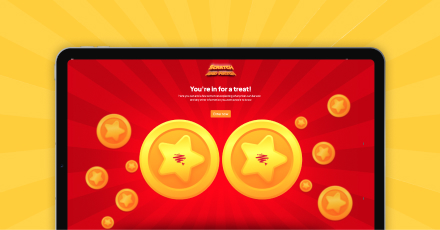
Incentive programs built around game mechanics are often recognized for being visually engaging or easy to use. However, their true impact has less to do with how they look and more to do with how people respond to them. The strongest results come from programs designed around human behavior, rather than surface-level interaction. This is where the psychology behind gamification becomes important to understand. Features such as unpredictability, chance-based outcomes, and even near wins can spark deeper emotional engagement. These techniques are well known in consumer marketing, but they are equally as powerful in channel marketing gamification, especially when the goal is to sustain interest over time. In this article, we’ll explore how behavioral triggers influence participation in gamified sales contests for resellers, why variable rewards keep partners returning, and how these principles can be applied to increase long-term engagement across your partner network.
The Impact of Variable Rewards in Channel Marketing Gamification

Most partner reward programs focus on performance targets, leaderboards, or predictable milestones. However, a growing body of research shows that variability can have a far stronger motivational effect. In B2B sales promotions, this translates to greater partner engagement over time, not because rewards are guaranteed, but because the unpredictability itself creates sustained interest.
This effect is not limited to consumers. Partners in B2B programs are still people, influenced by the same neurological responses and motivational cues. When properly framed, unpredictability can add value and excitement to an otherwise routine incentive program. A recent study by Science Direct found that intermittent and unexpected rewards significantly increased decision-making confidence and sustained attention during tasks. These findings support the idea that chance-based game mechanics, such as spin-to-win or scratch-offs, activate a deeper cognitive response than predictable outcomes. In partner reward programs, that means well-timed variability doesn’t create chaos; it creates curiosity.
What Gamified Sales Contests for Resellers Can Learn from Consumer Psychology
Psychological drivers such as autonomy, mastery, and social influence are central to gamification success. In their article, Plecto effectively explains how these elements, often linked to positive reinforcement and operant conditioning, are exactly what trigger dopamine and serotonin responses. The release of these “reward chemicals” plays a critical role in sustaining engagement. The reward chemicals released stimulate the same sense of progress, recognition, and emotional payoff that keeps people responding.
Instant feedback is another powerful factor. In B2B sales promotions, many teams wait for quarterly updates or end-of-month results. Gamified sales contests for resellers, however, benefit from tools that provide immediate signals, such as notifications or live leaderboards, which allow participants to see where they stand and adjust their behavior in real time. As Plecto notes, when someone books a meeting or reaches a goal and receives instant recognition, that feedback loop reinforces desired actions without delay.
Beyond performance, gamified partner reward programs can also foster community and collaboration. Friendly competition helps teams feel more connected — a sentiment echoed by sales leaders across industries. Even in decentralized channel environments, this sense of belonging can transform a one-off campaign into a long-term engagement strategy.
The lesson here is that the strongest channel partner incentives are not simply measurable; they are felt. Incorporating the emotional dynamics of game play into reseller campaigns is not a trend borrowed from consumer marketing. It is a proven strategy rooted in how people, regardless of title or target, are wired to respond.
How Channel Marketing Gamification Applies Behavioral Triggers

Channel marketing gamification works best when it draws directly from behavioral science rather than relying solely on surface-level features. Unpredictable rewards and near wins appeal to a wide range of motivations, from curiosity and risk-taking to the desire for recognition and mastery.
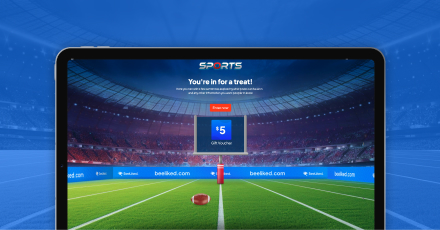
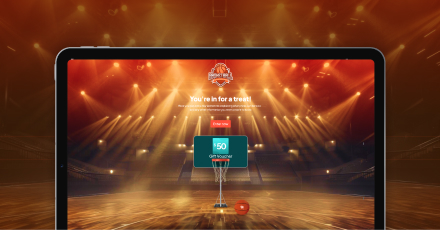
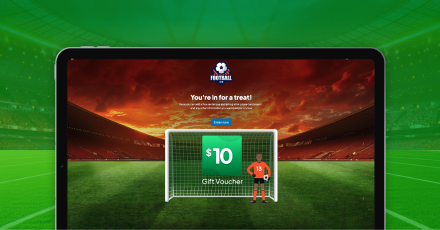
Incentive programs that incorporate chance-based games, such as tap-to-reveals or mystery envelopes, benefit from this psychology in several ways. First, they introduce variability that keeps experiences from feeling repetitive. Second, they make smaller achievements feel more exciting, which is especially valuable in longer or tiered campaigns. Finally, they help equalize the experience across a broader group of partners, creating access points for those who may not be competitive but are still motivated by potential rewards.
Game Types That Activate Psychological Triggers
Some of the most effective game types used in channel programs are those that align directly with the principles of variable reward theory. These include:
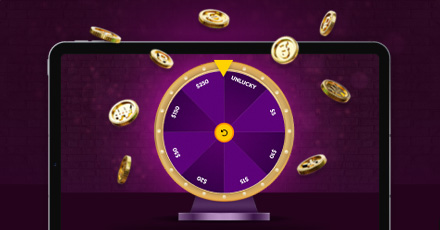
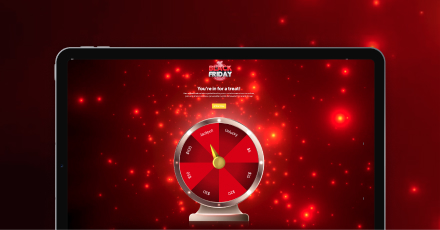
- Spin the Wheel: Each spin presents a new outcome, creating high replay value and anticipation. Because the partner controls when they spin, it also provides a sense of agency, a key factor in perceived fairness and enjoyment.
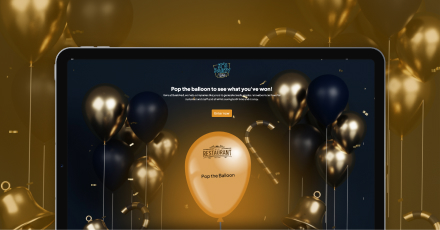
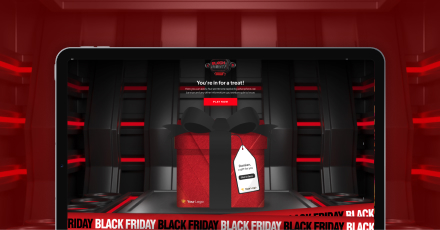
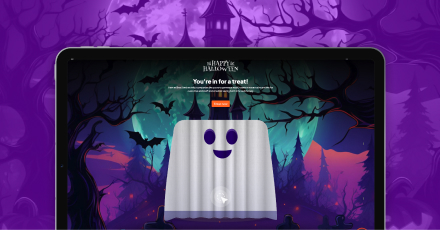
- Tap to Reveal: This format introduces suspense through visual buildup. It mirrors scratch-card dynamics and is especially effective when tied to specific milestones, such as submitting a lead or attending a product demo.
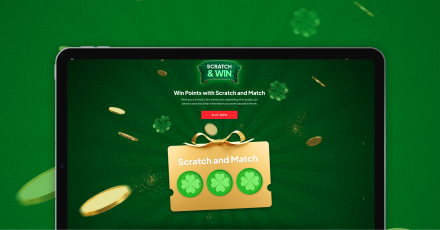
- Scratch-Off: Combining instant feedback with hidden outcomes, scratch-off mechanics reinforce participation at scale. They are well-suited for campaigns that reward repeat actions rather than a single competitive performance.
These formats work because they engage real cognitive and emotional drivers. Partners who feel emotionally invested return more often, engage more consistently, and form stronger associations between the reward experience and the brand.
Moving Beyond Transactional Thinking in Partner Reward Programs
Conventional incentive strategies often emphasise transactional value — points, discounts, or prestige prizes tied to outcomes. While these can drive short-term engagement, Dentsu argues that long-term loyalty depends on designing experiences that resonate emotionally and build lasting connections.
Their research shows that relying solely on reward mechanics without building an elevated brand experience limits impact. Even in B2B partner programs, true engagement comes from crafting incentive structures that reflect deeper emotional and relational needs, such as trust, brand identity, and shared values. Dentsu further highlights that leading consumer brands now embed gamified activations into their loyalty frameworks, not as standalone tactics but as integrated experiences aligned with broader brand narratives. This experiential approach enhances not only immediate engagement, but also partner affinity and loyalty over time.
Combining Structure with Surprise
Chance-based mechanics offer a scalable way to make incentive programs feel dynamic, rewarding, and more human. Spinning, tapping, or scratching for unexpected wins transforms routine actions into emotionally charged moments. With BeeLiked, you don’t have to choose between structure and spontaneity. Our platform supports a range of psychology-backed formats, helping you deliver channel partner incentives that motivate in the ways that matter. See how BeeLiked supports partner motivation.