MDF activation is the practical side of channel marketing: turning approved budget, campaign plans, and partner intent into activity that actually launches. Market development funds are budgets vendors provide to partners to support marketing and sales activity, but many partner campaign ideas still stall when a distributor, reseller, or local partner has to do the work.
60-second view
- A good partner campaign is not only strategic. It is easy to activate.
- Many MDF and co-marketing plans slow down after approval because the brief is too heavy, the setup asks too much, or the value exchange is unclear.
- Partners are more likely to act when the campaign is simple, branded, and gives them a clear reason to participate, capture leads, complete training, or stay top of mind with buyers.
- Interactive promotions can help channel teams turn approved plans into partner-ready campaigns without overcomplicating execution.
- For channel leaders, the goal is not to make MDF more elaborate. It is to make activation lighter, clearer, and easier to support.
Why partner campaigns stall after planning

Most MDF problems are not really budget problems. They are activation problems.
A quarterly plan gets approved. The funding is there. The partner manager has a campaign theme. The central team may even have assets prepared. But the campaign still fails to launch, or it goes live too late to make much difference. That pattern is common because partner execution rarely breaks down in the strategy deck. It usually breaks down in the handoff between approval and action.
Part of the issue is scale. In Forrester’s 2025 view of partner ecosystems, the broad picture is continued growth in both the size and complexity of partner-led routes to market. More organizations are relying on partners to meet buyer expectations and revenue goals. That creates a simple operational reality: if campaign activation is hard, participation drops.
There is also a local effort problem. What looks manageable from the vendor side can feel like one more low-priority job to the partner. Channel teams are often asking distributors, resellers, or sales partners to absorb a campaign brief while also dealing with pipeline pressure, onboarding, product updates, events, and internal admin. If the campaign asks for too much setup before any value is visible, it is easy to postpone.
That is where many well-intended channel marketing campaigns lose momentum. The plan may be sensible. The funding may be justified. But the campaign itself does not feel easy enough to launch now.
Another reason partner campaigns stall is that many of them are too abstract. They talk about awareness, growth, pipeline, or enablement in broad terms, but they do not create a simple action that the partner or end audience can take immediately. A campaign that asks someone to “support this quarter’s priorities” is not nearly as usable as one that gives them a concrete promotional experience they can share, run, or complete.
The result is familiar. Approved MDF sits in the plan documents. Campaign packs go unopened. Partners miss launch windows. Central teams spend more time chasing participation than creating it.
What makes activation easier for partners
The best partner campaign ideas are usually the simplest to explain.
A partner should be able to quickly understand three things: what the campaign is, who it is for, and what happens when someone takes part. If the answer is buried in a long deck or a multi-step approval note, the campaign is already carrying too much weight.
That matters because partner campaigns now have to compete in a more digital, self-directed buying environment. In a Gartner survey published on June 25, 2025, 61% of B2B buyers said they prefer a rep-free buying experience. That does not remove the role of partners. It raises the standard for the campaigns’ partners are expected to support. They need simpler, more relevant ways to engage buyers digitally, not just more generic collateral.
There is also a content reality to deal with. In the Tenth Edition of Salesforce’s State of Marketing, marketers still report pressure to deliver more relevant experiences while struggling with scale and execution. That challenge is even sharper in channel marketing, where the central team wants consistency but the local partner may not have the time or resources to build a campaign from scratch.
In practical terms, partner activation gets easier when four things are true.
First, the campaign mechanic is obvious. A partner should not need a training session just to understand how the promotion works.
Second, the value exchange is immediate. That does not mean the reward has to be large. It means there is a clear reason to act now rather than later.
Third, the campaign reduces local effort. The partner should feel like they are launching something ready-made and brand-safe, not assembling a mini campaign infrastructure on their own.
Fourth, the campaign fits the real use case. Awareness campaigns need a different shape from lead capture. Training completion needs a different trigger from quarter-start activation. Activation improves when the mechanic matches the job.
This is where incentive-led formats can be useful. Not because every partner campaign needs a prize-led hook, but because a well-designed interaction can give people a clearer reason to engage than another static email or banner.
Campaign formats that lower the lift
The most useful MDF activation campaigns are usually the ones that keep the brief light but still make participation feel worthwhile.
Awareness pushes: make it easier for partners to create first engagement
Sometimes the immediate goal is not deep lead qualification. It is simply to get a campaign into the market and give the partner a better way to start a conversation.
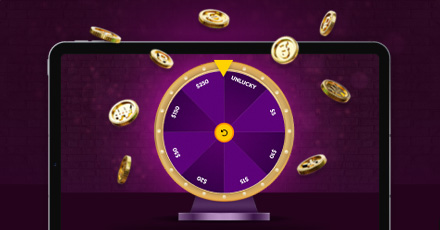
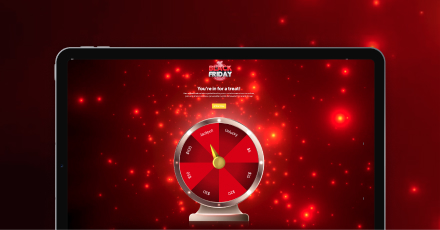
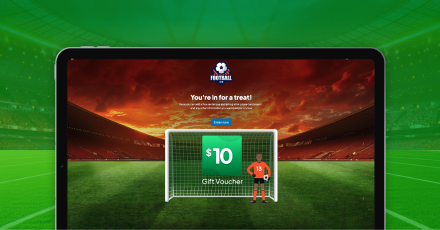
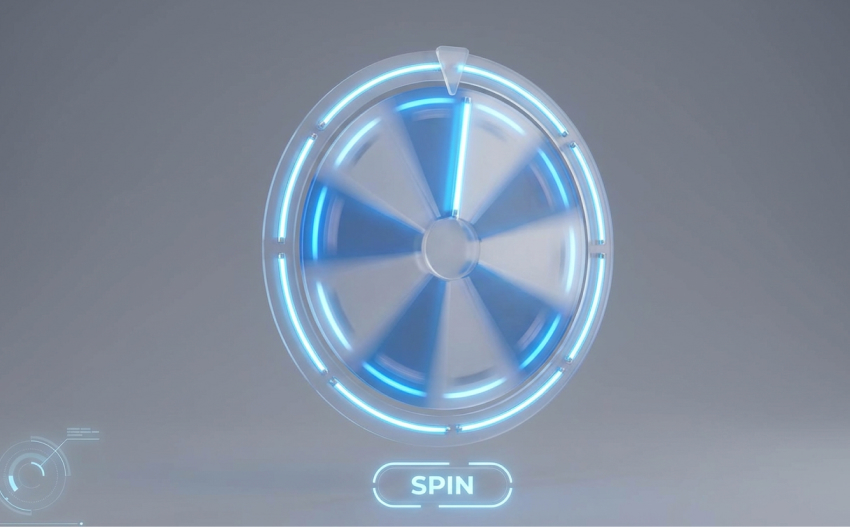
A format like Digital Spin Wheel can work well here because the mechanic is easy to understand and quick to share. That makes it suitable for quarter-start activation, distributor awareness pushes, event follow-up, or short partner campaigns where the audience needs an immediate reason to click.
The point is not novelty for its own sake. It is reducing friction. Instead of asking a partner to promote another static landing page, the campaign gives them a branded promotional experience that feels more active and more timely.
That can be especially useful when a central team wants broad participation across multiple partners with different levels of marketing maturity. The simpler the campaign is to explain and deploy, the more realistic it becomes as a scalable channel tactic.
Lead capture support: give the audience a better exchange than a generic form

Lead capture often suffers in partner marketing because the offer is thin. The audience is asked for their details, but the campaign gives them very little reason to respond beyond vague future contact.
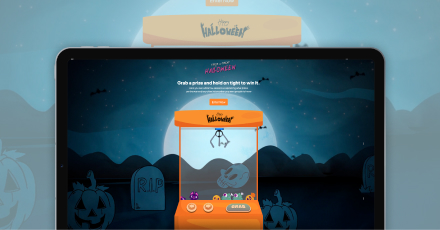
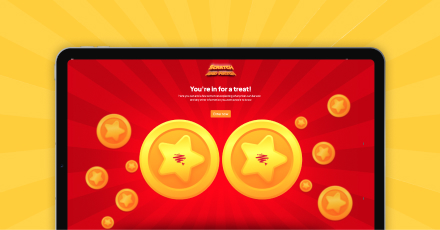
A Scratch-Off format can make that exchange feel more immediate. It adds a brief participation moment before or around the data-capture step, which can make a partner campaign feel more inviting than a standard “download now” or “book a call” page.
This approach can support partner microsites, paid media, distributor campaigns, event follow-up, or localized product pushes. The reward does not have to be a major discount or a large-value incentive. In many cases, a lighter, controlled reward is more commercially sensible and better aligned with the campaign objective.
For partners, that matters because the campaign itself helps carry engagement. The partner is not relying entirely on email copy or a sales rep’s follow-up to make the interaction appealing.
Training and product focus campaigns: make the next step feel more worth doing
Training and product-priority campaigns are often strategically important and emotionally flat. Partners are asked to review product updates, complete enablement steps, or engage with a new-quarter focus, but there is nothing in the campaign itself that creates urgency or interest.
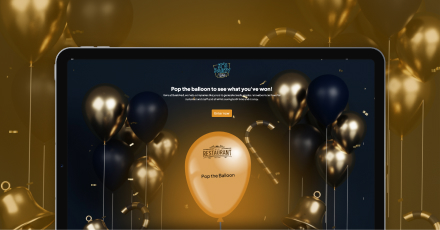
A Click to Reveal mechanic is well-suited to that kind of job. It is straightforward, fast to understand, and can add a small sense of anticipation to an otherwise functional task.
That makes it useful for partner onboarding, product education pushes, triggered reward moments tied to operational workflows, or campaigns that aim to move partners from passive awareness to actual completion. The benefit is not only the incentive. The fact is that the step feels more concrete and more immediate.
When activation is the issue, that shift matters. Partners are more likely to complete a clear, lightweight interaction than respond to another broad request for attention.
Operational considerations and approvals
Simple campaigns still need good operating discipline.
The first question is ownership. Who owns the campaign logic, brand controls, audience rules, and follow-up path? If that is unclear, activation slows down because every launch becomes a fresh negotiation.
The second question is incentive design. The campaign should reward the behavior you want, not just generate noise. For awareness campaigns, the reward may just need to create curiosity. For lead capture, it should justify the exchange without attracting low-quality participation. For training or onboarding, it should support completion without making the campaign feel clumsy or overly transactional.
The third question is timing. Partner campaigns often miss the market not because they are bad ideas, but because they are built too late or require too many internal reviews. A lighter campaign structure gives teams a better chance of hitting the window when MDF actually matters.
Then there is compliance. Promotion-law requirements vary by market, format, and audience. This article is for general information only, not legal advice, and brands should consult their own legal counsel before launching any promotion- or incentive-led campaign, especially across different regions or partner structures.
Finally, think about what happens next. A partner activation campaign should connect to a real follow-up path, whether that is lead routing, nurture, a sales handoff, or a training completion journey. Activation is not just about getting the campaign live. It is about making the next step easier to take.
Where BeeLiked fits
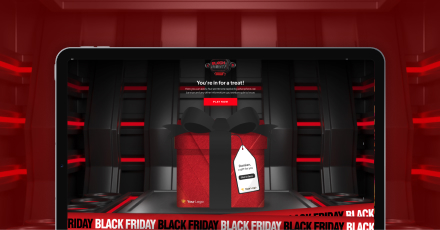
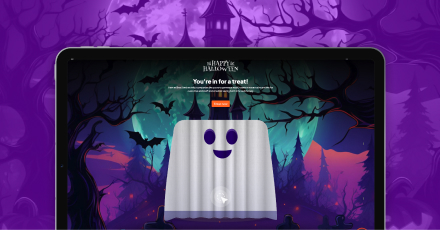
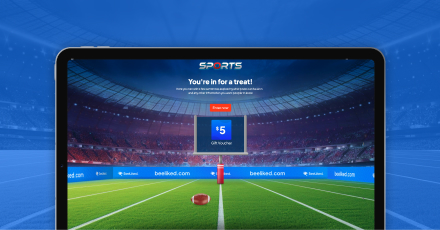
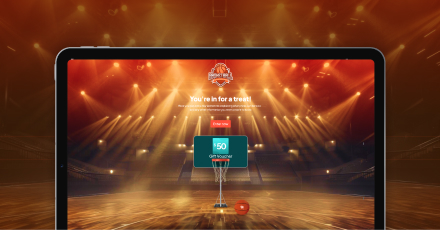
BeeLiked fits when a channel or partner marketing team wants to make campaign activation easier with branded, incentive-led experiences rather than heavier custom builds or generic static assets. In practical terms, BeeLiked helps brands create partner-ready promotional experiences that can support awareness, lead capture, onboarding, product focus, and other engagement moments across partner and distribution journeys.
That is the useful position in an MDF context. BeeLiked is not the story by itself, and it should not be treated as an MDF governance or legal approval system. The value is that it gives teams a more engaging way to package campaign participation, while keeping the experience branded, controlled, and easier for partners to support.
That can help channel teams move from approved plans to usable campaign formats. Instead of asking partners to activate another broad co-marketing concept, the central team can give them something more concrete: a promotional mechanic, a clearer value exchange, and a campaign experience that feels ready to run.
Where security matters, BeeLiked is ISO/IEC 27001:2022 and SOC 2 certified.
Decisions & next steps
Start by reviewing where partner activation actually slows down today. Is the issue campaign complexity, weak incentives, slow approvals, lack of local resources, or an unclear follow-up path?
Then choose one campaign use case that would benefit from a lighter format. That might be partner onboarding, distributor participation, training completion, a quarter-start awareness push, or a lead capture campaign tied to a product theme.
From there, match the campaign mechanic to the job. Awareness pushes need fast engagement. Lead capture needs a clearer value exchange. Training and product focus campaigns need a reason to complete the step now rather than later.
Keep the brief tight. The best partner campaign ideas are often the ones a partner can understand in a few seconds and support without extra explanation.
Finally, measure activation in practical terms. Look at launch speed, partner participation, completion, lead quality, and next-step conversion, not just whether the budget was technically allocated.
For partner and channel teams that want to automate branded incentive campaigns and stay top of mind with partners or sales channels, BeeLiked offers a practical way to turn campaign intent into something partners can actually activate.