Post-purchase engagement is the work of staying useful, relevant, and memorable after the first conversion. It sits in the part of the journey where customers decide whether your brand becomes a one-time transaction or part of their routine.
Too many lifecycle programs still treat the sale as the finish line. In reality, the days and weeks after purchase often shape repeat behavior, review intent, referral potential, and long-term retention.
60-second view
- The post-purchase window is usually rich in attention points, but poor in imagination. Most brands send confirmations, shipping messages, review asks, and reorder reminders without doing much to earn attention.
- That matters because the post-sale period is not passive. McKinsey’s consumer decision journey describes post-purchase as the phase that helps determine loyalty and the likelihood of buying again.
- Customer expectations are also rising. According to Salesforce research on customer expectations, 80% of customers say the experience a company provides is as important as its products and services.
- Used selectively, interactive promotions can turn routine post-purchase touchpoints into branded moments that reinforce value, encourage the next action, and support retention without leaning on blanket discounting.
- BeeLiked serves as a flexible engagement layer within CRM and customer marketing journeys, helping teams add branded, modular, interactive moments that make commercial sense.
Why the first post-purchase weeks matter
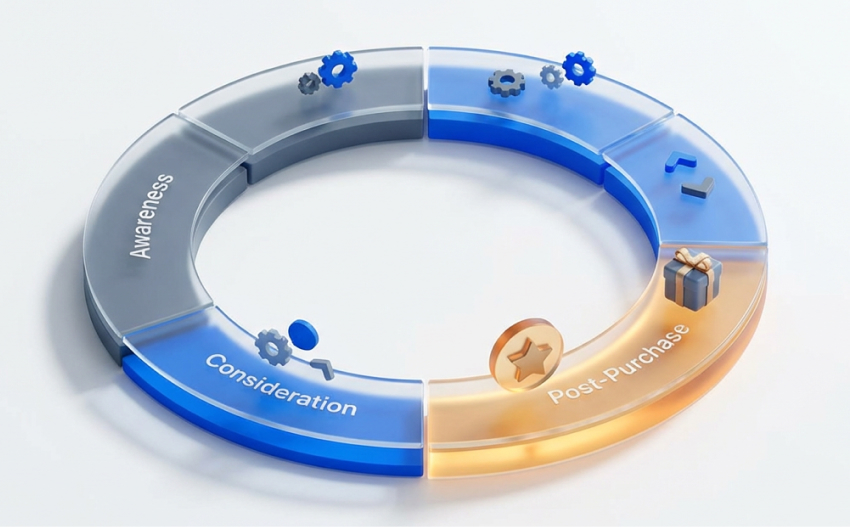
Most brands are disciplined before conversion and generic after it.
They optimize paid media, landing pages, forms, and checkout flows. Then the customer buys and enters a much flatter experience: an order confirmation, a delivery update, perhaps a review request, and eventually a blunt “come back” email. The structure exists, but the journey often lacks momentum.
That is a missed opportunity because post-purchase engagement is where habits start to form. A first-order customer is still deciding whether the purchase solved their problem, whether the brand feels trustworthy, and whether a second purchase deserves a place on their shortlist. As McKinsey argues, the post-sale phase is a trial period for future loyalty, not a quiet administrative stage.
This matters even more in categories where product cycles are short, replenishment is predictable, or brand switching is easy. Beauty, supplements, pet care, fashion basics, food and beverage, home essentials, and many DTC subscriptions all live or die on what happens after the first order. If the only post-purchase message is transactional, you leave a valuable part of the customer lifecycle marketing underused.
There is also a practical expectation gap to close. Salesforce’s customer expectations research found that customers increasingly expect connected, personalized interactions across departments and channels, not disconnected one-off messages. A post-purchase journey that feels generic can undermine the effort spent acquiring the customer in the first place.
None of this means every order confirmation needs a game mechanic attached to it. It means the post-purchase window deserves better design. The right interactive moment can make a routine communication feel more rewarding, more memorable, and more likely to prompt a useful next step.
Where interactive moments naturally fit
The strongest post-purchase promotions do not feel bolted on. They sit in moments where attention already exists and where a small action can add value rather than interrupt it.
Immediate delight after purchase
A customer has just converted. Emotionally, this is one of the easiest moments to build goodwill because anticipation is already high.
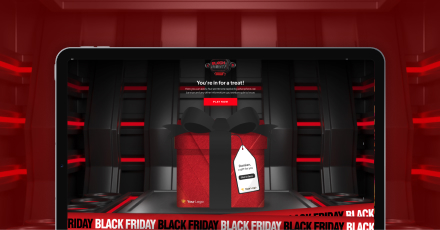
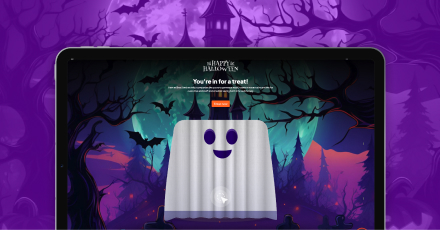
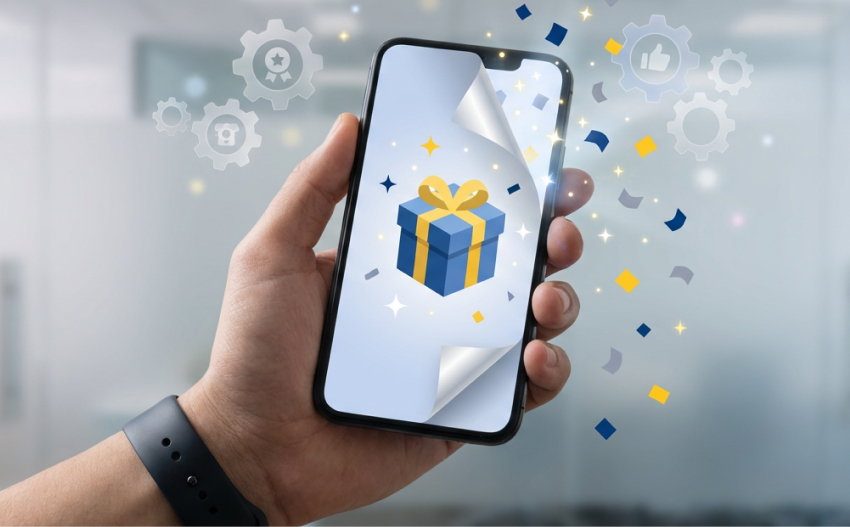
This is where a light-touch format, such as Unwrap the Gift, can work well. The mechanic is simple, but the role is strategic: it turns a flat “thanks for your order” message into a surprise-and-delight moment. That reward does not always need to be a discount. It could be early access, bonus loyalty value, a future shipping perk, or a small branded incentive tied to the next purchase window.
The key is restraint. The message should reinforce the purchase, not immediately train the customer to wait for another offer. The best versions feel like recognition, not desperation.
A useful scenario is the first-time buyer in a crowded category. Instead of sending a standard confirmation plus a hard-sell cross-sell, you offer a small interactive reward that thanks them for ordering and nudges them toward an account setup, preference capture, or a second visit. That creates a softer bridge from conversion into retention.
Review and UGC encouragement
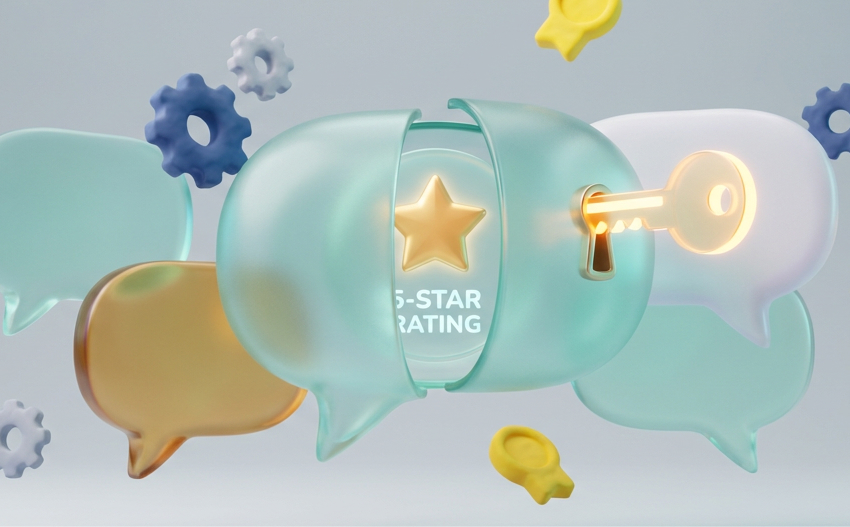
Review requests are often necessary and often dull.
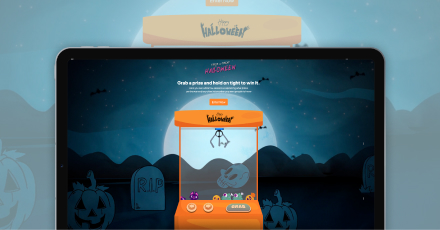
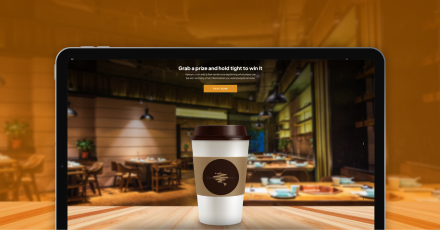
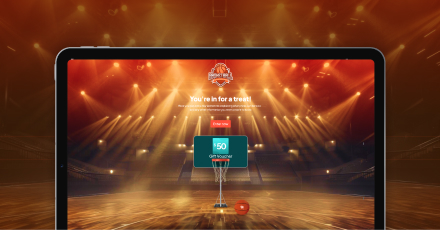
That creates an opening for a mechanic like Click to Reveal, especially once the product has had time to arrive and be used. Rather than asking for a review in a purely functional format, you can offer a branded reveal moment tied to participation: leave a review, upload a photo, or confirm product usage, then unlock a modest reward or chance-based incentive.
The commercial benefit is not only more reviews. It is better timing and better energy. Customers are more likely to respond when the exchange feels reciprocal.
This is also where CRM teams can be smarter about segmentation. A high-NPS segment might be invited into a review and referral pathway. A first-time customer who has not yet shown satisfaction might receive a softer product support or usage prompt instead. Interactive promotions are most useful when they amplify the right behavior for the right customer, not when they become a default wrapper around every email.
Replenishment and next-order nudges
The reorder moment is one of the clearest points to use post-purchase incentives without feeling gimmicky.
A reorder reminder is usually sent because the brand already has a reasonable guess about timing. The problem is that most of these reminders are interchangeable with every other brand’s message. “You may be running low” rarely creates much urgency by itself.
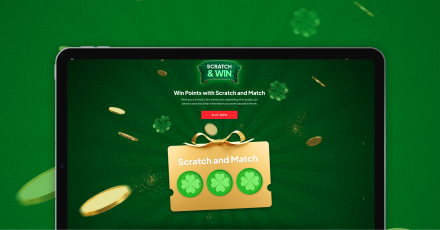
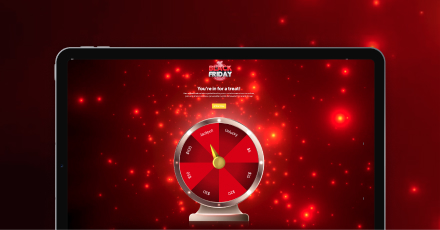
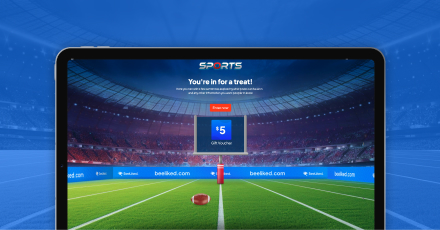
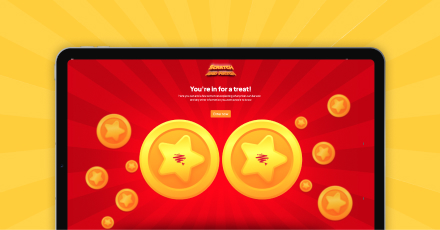
A mechanic such as Scratch-Off can add interest to that moment, especially when paired with clear business logic. For example, customers approaching a likely repurchase date could receive a scratch-to-reveal reward with guardrails around value, eligibility, and expiry. The purpose is not to turn replenishment into entertainment for its own sake. It is to make a familiar nudge more noticeable, more branded, and more likely to convert.
This is particularly useful for dormant-but-not-lost customers. A customer who bought 60 days ago and hasn’t returned may ignore a standard win-back. A small interactive prompt can reopen attention without going straight to the deepest discount in the playbook.
Mechanics that fit different moments
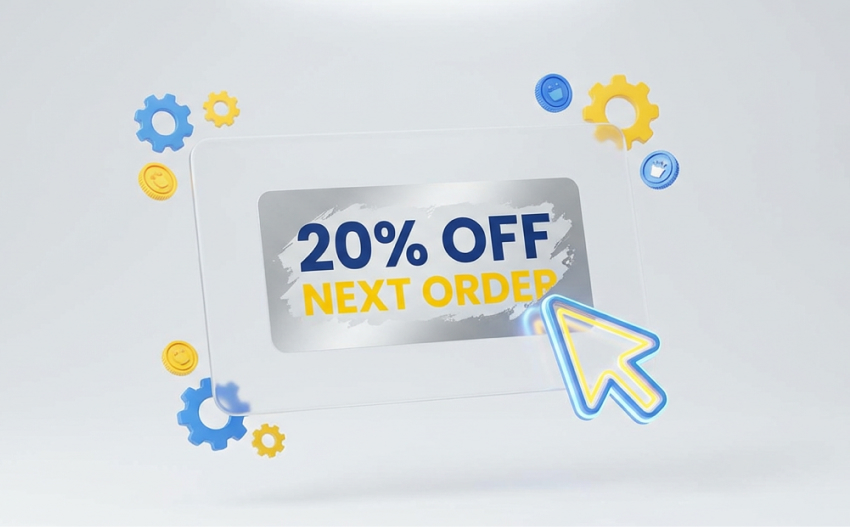
Not every post-purchase touchpoint needs the same treatment. What matters is matching the mechanic to the customer’s mindset.
Immediately after purchase, the emotional task is reassurance and delight. A simple reveal or gift moment works better than anything that feels complicated.
A week or two later, the task may be product adoption. That can support interactive messaging around onboarding milestones, usage encouragement, or profile completion. The promotion is not the whole strategy. It is the moment that helps the customer take the next useful action.
Later in the journey, the task may be proof or advocacy. Review requests, UGC prompts, and referral handoffs work better when the customer has already had enough time to evaluate the product.
Then comes repeat behavior. Replenishment, seasonal return visits, anniversary moments, and loyalty milestones all benefit from formats that foster recognition rather than constant discount pressure.
This is where many CRM teams are rethinking their approach. A recent Salesforce State of Marketing report highlights that marketers continue to prioritize unified customer experiences and personalization. In parallel, HubSpot’s research on marketing trends points to growing pressure for faster, more personalized responses and greater use of automation. That combination matters in post-purchase design. Customers expect relevance, but teams also need repeatable mechanics that do not require custom creative reinvention every week.
Interactive promotions can meet both needs when used as modular building blocks. The important word is modular. You are not replacing lifecycle strategy with a game. You are improving specific moments inside the journey.
Measurement and frequency control
The fastest way to make post-purchase promotions feel cheap is to overuse them.
A good rule is to treat interactive moments as emphasis, not wallpaper. They should appear where the commercial objective is clear: encourage a second order, increase review participation, support milestone recognition, reactivate lapsed buyers, or drive a specific customer action that matters.
That means measuring more than opens and clicks.
For post-purchase engagement, useful metrics usually include second-purchase rate, time to next purchase, participation rate, review submission rate, profile enrichment, redemption behavior, and downstream revenue from the targeted segment. In some programs, you may also want to compare holdout versus exposed cohorts to understand whether the interactive layer changed behavior or simply drew attention without affecting outcomes.
Frequency control matters just as much as measurement. If every milestone triggers an incentive, you can erode perceived value and train customers to expect a reward for routine behaviors. It is better to concentrate activity around moments with real leverage: first purchase, first delivery, first review, reorder threshold, inactivity window, and meaningful anniversaries.
There is also a governance point here. Promotions that include prizes, rewards, or chance-based mechanics should always be designed with clear rules, eligibility criteria, and appropriate review. This is general information, not legal advice, and brands should consult their own legal counsel before running promotions in specific jurisdictions.
Where BeeLiked fits
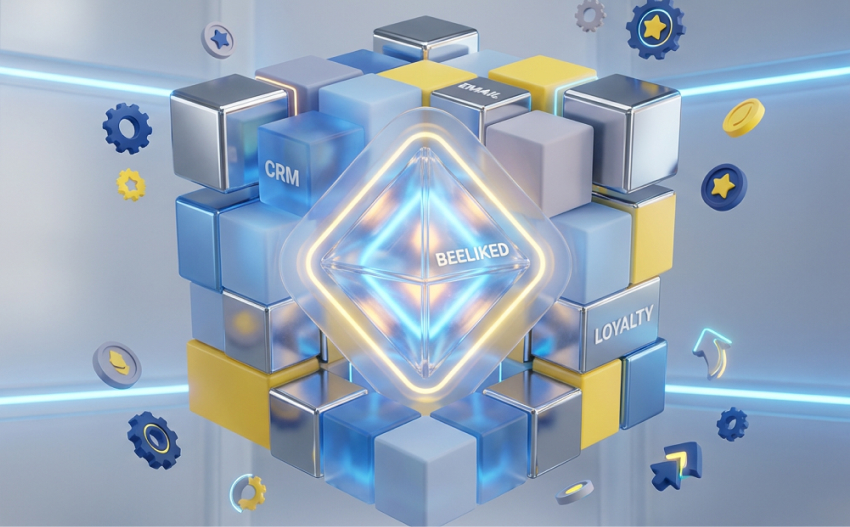
BeeLiked fits as a flexible engagement layer within CRM and customer marketing journeys.
For post-purchase engagement, that means teams can use branded interactive moments as part of confirmation flows, review requests, replenishment nudges, milestone campaigns, or win-back journeys, rather than treating every retention message as a static offer. The emphasis is on modular campaign use cases, controlled reward distribution, and branded participation.
That matters to lifecycle teams because post-purchase journeys usually span multiple systems. The CRM owns triggers and segmentation. Customer marketing owns messaging. Loyalty teams may own benefits. BeeLiked can sit within that broader orchestration, supporting public and private campaign structures, automated triggers for lifecycle events, and branded reward experiences without requiring the entire retention strategy to be rebuilt around a single tool.
Security and trust matter here too, especially when post-purchase journeys involve customer data and incentives, and as BeeLiked is ISO/IEC 27001:2022 and SOC 2 certified, we’ve got you covered.
The practical fit is straightforward. If your CRM team wants to add more memorable post-purchase incentive moments without making every touchpoint feel promotional or off-brand, BeeLiked offers a way to do so with formats designed for participation and control.
Decisions & next steps
Start by auditing the post-purchase journey you already have. Look at confirmations, fulfillment messages, review requests, replenishment nudges, milestone communications, and dormant-customer win-backs. Identify where customer attention already exists, but the experience feels flat.
Then choose one or two high-value moments to test. For many brands, that is first-order surprise and delight, review generation, or a timed next-order prompt. Keep the objective narrow and commercially clear.
Define the behavior you want to influence before choosing the mechanic. The promotion should support the action, not substitute for the strategy.
Set reward guardrails early. Decide what the customer can receive, how often, under what rules, and how you will prevent overexposure.
Measure the effect beyond engagement rates. Look for changes in review completion, repeat-purchase timing, reorder conversion, or reactivation among the targeted segment.
Most importantly, resist the temptation to gamify the whole journey. The strongest post-purchase engagement programs use interactive moments selectively to make the experience more rewarding and the next step more compelling.
For CRM and lifecycle teams exploring that approach, BeeLiked can help add branded interactive incentives to retention, loyalty, and win-back journeys in a way that is practical, controlled, and designed to fit the customer lifecycle rather than distract from it.