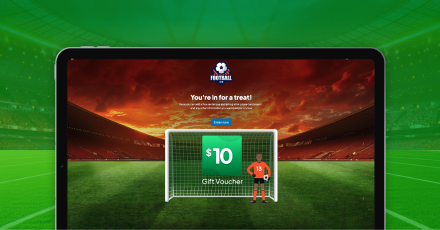
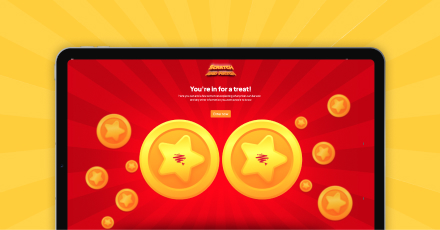
Promotion-mechanic selection is the discipline of matching a campaign’s format to the business outcome you actually need. In practice, that means choosing a mechanic based on goal, audience, reward logic, and operational reality, not on which format feels newest or most visually impressive.
60-second view
- Not every mechanic suits every job. A strong promotion strategy starts with the behavior you want to influence, then works backward to the format.
- CRM, acquisition, and channel campaigns ask for different kinds of attention. The right mechanic for a win-back email is not always the right one for paid social lead capture or partner activation.
- Good selection decisions balance customer experience with operational control, including fulfillment, audience access, reward logic, and follow-up data.
- The most useful mechanics are the ones that fit the moment cleanly. They make the call to action easier to understand, not harder.
- Interactive promotions are most effective when they are treated as part of campaign planning, not as a layer added at the end.
The four questions to answer before choosing a mechanic
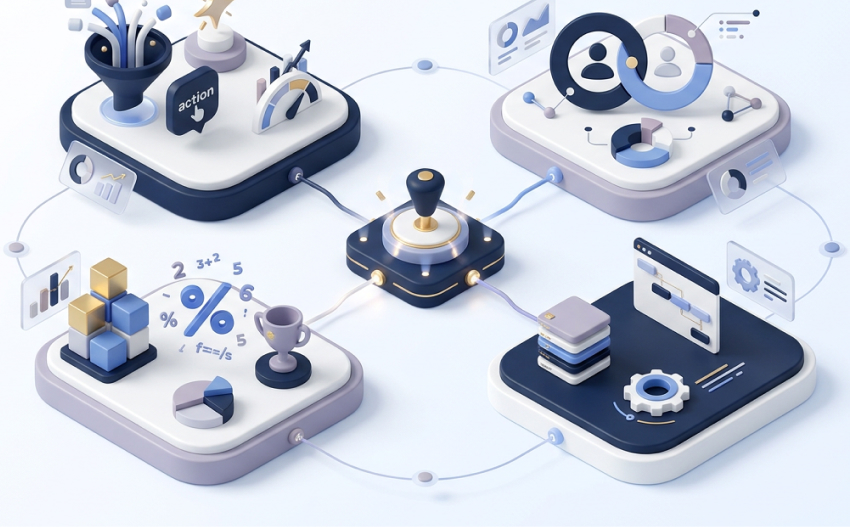
Many teams start with the mechanics themselves. They ask whether they should use a wheel, a scratch card, or a reveal format, then try to find a use case that fits. That is usually the wrong way around.
A better approach starts with four practical questions.
The first is simple: what behavior are you trying to trigger? A campaign designed to capture leads needs a different mechanic from one designed to drive second purchase, reward a milestone, or encourage partner onboarding. If the desired action is unclear, the mechanic choice will usually drift toward novelty instead of effectiveness.
The second question is about audience context. Is this a cold acquisition audience, an existing CRM segment, or a controlled partner group? That changes how much explanation the campaign can carry, how much friction the audience will tolerate, and how important access control becomes. Salesforce’s State of Marketing report reflects a wider shift in marketing toward more personalized, data-aware engagement across channels, which makes audience context more important than generic campaign design.
The third question is reward logic. Are you using a broad incentive to encourage participation at scale, or a tighter reward structure for a defined segment? Some mechanics work well when the experience itself is the attention driver. Others are better when the reveal of the reward is the main event. If the reward logic is vague, the campaign can end up looking engaging without being commercially disciplined.
The fourth question is operational. How often will this run? What data needs to pass into the experience? Do you need a public landing page, a CRM-triggered message, or a private incentive moment for approved users only? These are not secondary details. They often determine which mechanic will be the cleanest fit.
This is why promotion mechanic selection matters more now than it did a few years ago. As more teams experiment with gamified formats, the main challenge is no longer whether interactive campaigns can get attention. It is whether the chosen format matches the commercial job. HubSpot’s 2025 marketing trends roundup points to continued pressure on marketers to produce more relevant, more responsive experiences in a crowded environment. That makes disciplined planning more valuable than format experimentation on its own.
Matching mechanics to CRM goals
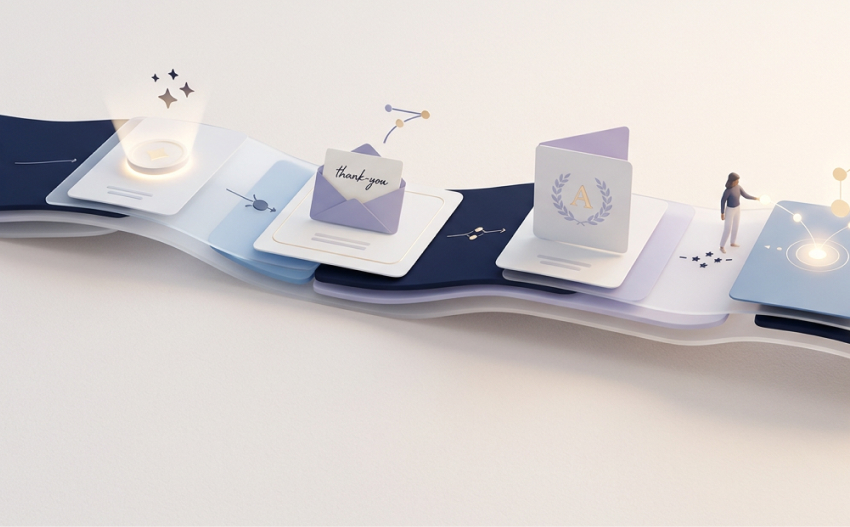
CRM is usually where poor mechanic choices show up first, because the audience already knows the brand. If the format feels too noisy, too generic, or too disconnected from the customer moment, the campaign quickly feels forced.
A retention or lifecycle campaign generally works best when the mechanic supports the emotional shape of the message. A win-back campaign needs a reason to re-engage. A post-purchase moment needs to feel rewarding, not pushy. A milestone message should feel timely and deserved.
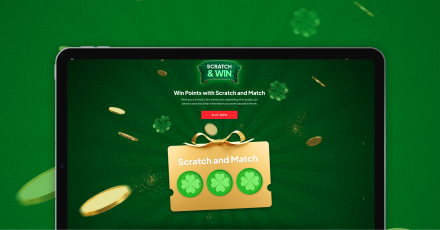
That is why reveal-style mechanics often work well in CRM. A Scratch-Off can suit a dormant-customer reactivation campaign because it gives the recipient a small reason to re-enter the relationship. The interaction is simple. The value exchange is obvious. The message can stay focused on re-engagement rather than spectacle.
A Click to Reveal format can work particularly well when the reward needs to feel direct and low-friction. Think of a post-purchase thank-you, an anniversary moment, or a second-purchase nudge where the campaign should feel lightweight and immediate. The mechanic supports the message without asking the customer to do too much.
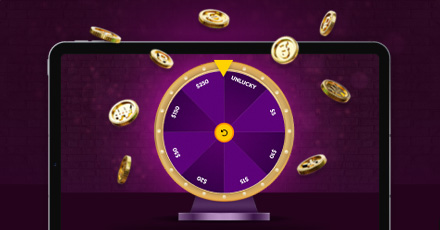
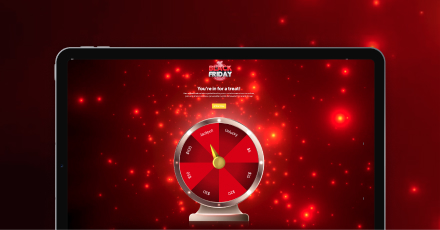
By contrast, some CRM moments benefit from a bit more energy. A Digital Spin Wheel can be effective when the objective is broader participation, such as a seasonal loyalty push or a reactivation campaign where attention itself is part of the challenge. The important point is not that a wheel is “better.” It is that it brings a different tone. It can introduce more anticipation, which is useful in some lifecycle moments and unnecessary in others.
Customer expectations also matter here. Salesforce’s overview of customer expectations emphasizes personalization, connected experiences, and relevance. That is a useful reminder that CRM mechanics should feel appropriate to the relationship stage, not imported from a top-of-funnel acquisition campaign.
Matching mechanics to acquisition goals
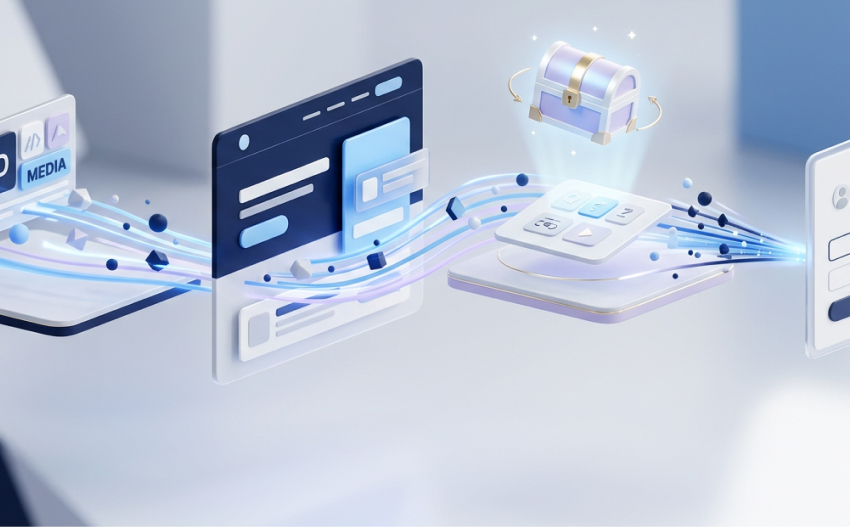
Acquisition campaigns face a different problem. The audience does not owe you attention. The mechanic has to earn a pause quickly and make the next step clear.
This is where marketing leaders sometimes over-correct. They choose the most animated or visually dramatic option available, hoping it will outperform a static landing page or ad unit. Sometimes it does. Sometimes it simply adds complexity to a message that needed clarity.
For acquisition, the best mechanics are usually the ones that make the value exchange feel immediate. If you are using paid social to drive opt-in or lead capture, the mechanic should help explain why someone should stop, engage, and share data. It should not require a long explanation to become legible.
A product launch landing page, for example, might use a wheel or reveal mechanic when the objective is to convert broad curiosity into opt-in. The format gives people a clear reason to participate. It also helps frame the campaign around a defined reward interaction rather than a generic form fill.
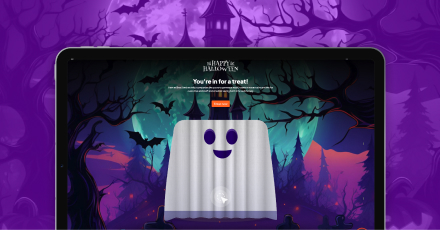
A Mystery Envelope can be a strong fit when the campaign needs a little more suspense and a slightly more premium tone. That can suit launches, event follow-up, or awareness-to-opt-in journeys where the mechanic should feel like part of the proposition, not just a traffic hook.
That said, acquisition mechanics should still respect channel reality. A paid social campaign has less room for explanation than a campaign landing page. An in-app prompt has less tolerance for friction than a web-based lead-gen experience. The format has to fit both the media environment and the campaign objective.
This is where planning discipline matters more than creative enthusiasm. The best gamified marketing mechanics usually reduce hesitation and clarify the next action. They are not necessarily the ones with the most movement on screen.
Matching mechanics to partner and channel goals
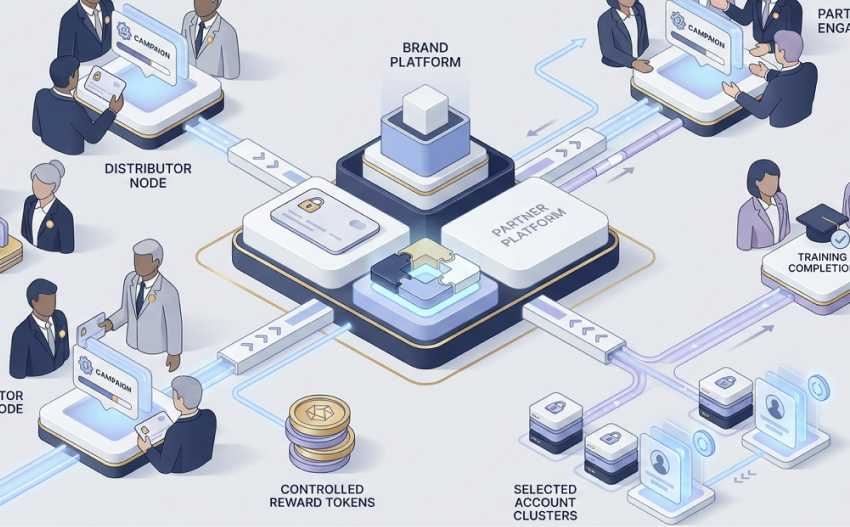
Channel campaigns introduce a different set of pressures again. Here, the audience is not a general consumer base. It may be a distributor sales team, a partner group, a broker network, or a selected account list. The goal is often not direct purchase at all. It may be onboarding, training completion, campaign participation, or simply staying top of mind before the sale.
That changes the promotion strategy.
A partner campaign usually works best when the mechanic reinforces a defined behavior that has business value upstream of revenue. That could be engaging with launch content, completing a training module, responding to a quarter-start activation, or participating in a distributor campaign on time.
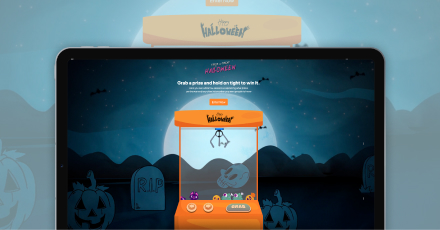
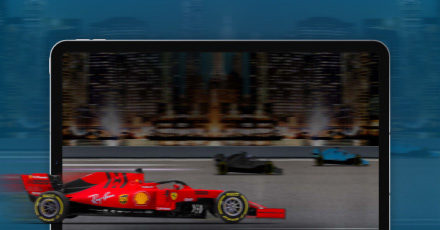
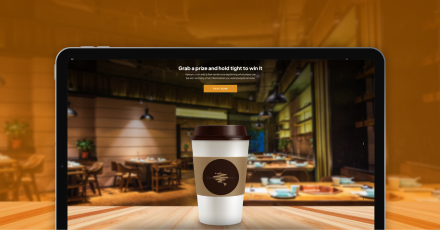
In those cases, clarity and control matter more than scale. A Grabber can suit a targeted activation where the reward moment is tied to a verified action and the experience needs to feel more energizing than another reminder email. But it should still be described carefully. As the BeeLiked rulebook makes clear, formats like Grabber may feel skill-based to participants, while prize outcomes are still controlled by configured odds and logic within the platform.
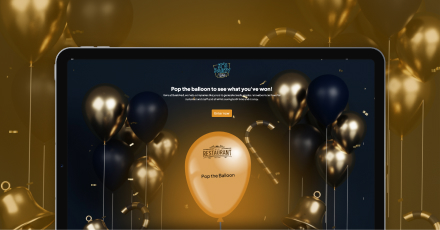
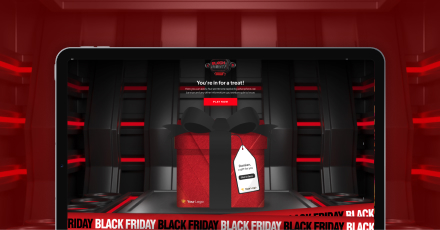
An Unwrap the Gift mechanic can be useful when the campaign should feel more like recognition than broad demand generation. That can make sense for private, invite-only partner moments, milestone acknowledgments, or structured incentive campaigns where tone matters as much as participation.
This is also where many teams choose the wrong mechanic by copying consumer acquisition logic into a partner environment. Channel audiences usually need a format that respects role, timing, and program design. The campaign should feel intentional, not like a consumer promo dropped into a B2B relationship.
Operational considerations: fulfillment, frequency, and data
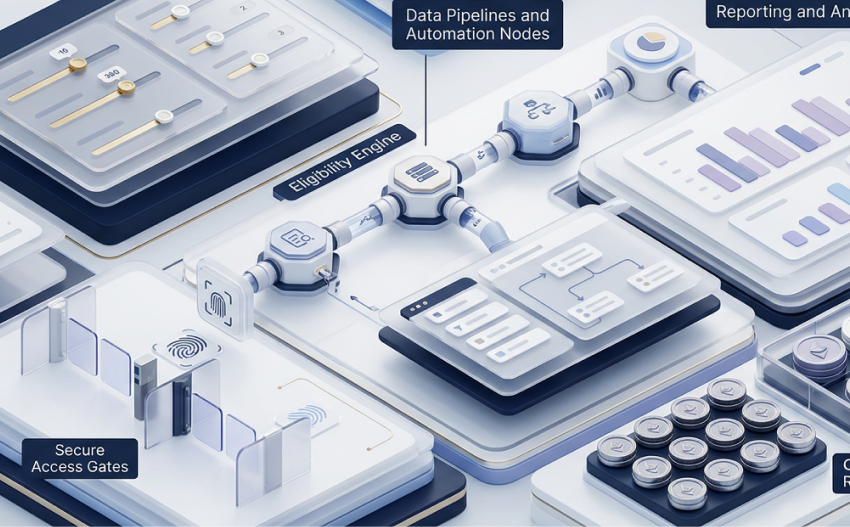
Even a well-matched mechanic can become the wrong choice if the campaign is hard to run.
Start with fulfillment. If the reward structure is complex, budget-sensitive, or tied to eligibility rules, choose a mechanic that supports controlled reward distribution without forcing manual work around the edges. This is particularly important in recurring CRM journeys and in private incentive programs, where the campaign may need to run repeatedly without constant intervention. BeeLiked’s rulebook supports describing BeeLiked in terms of controlled rewards, prize caps, configurable odds, and automation, while avoiding guarantees or overstatements.
Then think about frequency. A mechanic that feels fresh in a quarterly campaign may feel repetitive in a weekly one. CRM and loyalty teams need enough variation in campaign planning to avoid training customers to ignore the same interaction over and over. That does not mean changing mechanics every time. It means using the format where it adds value and keeping the cadence commercially sensible.
Data flow matters too. Some campaigns need simple lead capture. Others need CRM-triggered logic, private access control, or downstream reporting by participant and segment. BeeLiked’s rulebook explicitly supports describing both public campaigns and private, invite-only journeys, as well as CRM-triggered automations and reporting, provided the wording remains factual and conservative.
This is the operational side of selecting promotion mechanics that often gets ignored in strategy conversations. A clever mechanic with weak data planning creates more reporting noise than business value. A simpler format with cleaner execution is often the better decision.
Legal and promotion-law considerations also belong here. For campaigns involving rewards, eligibility, or prize logic, those questions should be treated as general program design issues rather than assumptions. Laws and regulations vary by market and circumstance, so organizations should consult their own legal counsel before launching any promotion or rewards programme.
Where BeeLiked fits
BeeLiked fits as a flexible interactive promotions platform that gives marketing teams a range of branded mechanics they can match to different campaign goals.
That includes public campaigns for acquisition and data capture, as well as private, invite-only journeys for loyalty, CRM, and partner incentives. The practical value is not just having multiple formats available. It is being able to choose a mechanic that suits the use case, then run it with the right controls around reward logic, access, branding, and reporting. Those capabilities are consistent with the BeeLiked rulebook’s description of public campaigns, private incentive journeys, controlled rewards, CRM-triggered workflows, and real-time analytics.
For senior teams evaluating platform fit, the key point is that BeeLiked can support a broad mix of campaign types without requiring every promotion to be presented the same way. A lightweight CRM surprise-and-delight message may call for one format. A lead capture campaign may call for another. A targeted channel activation may call for something else again.
For organizations reviewing security and governance, BeeLiked is ISO/IEC 27001:2022 and SOC 2 certified.
Decisions & next steps
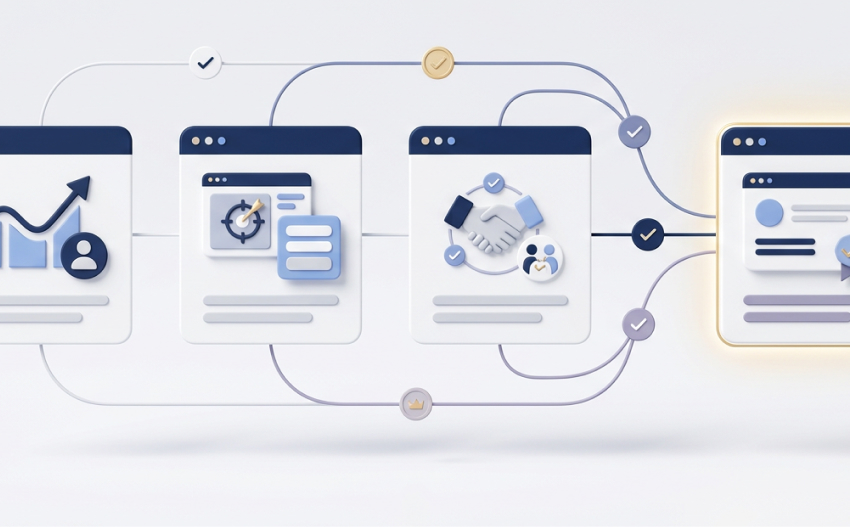
If your team is actively evaluating promotion mechanic selection, start by auditing current campaign use cases rather than browsing format options in isolation.
List the core jobs you need interactive campaigns to do. That might include CRM reactivation, post-event follow-up, acquisition landing pages, product-launch attention grabs, or partner activation. Then map each use case against the four questions: target behavior, audience context, reward logic, and operational constraints.
From there, narrow to one or two pilot scenarios where the mechanic choice is most likely to matter. A repeat-purchase CRM journey, a paid-social lead capture campaign, and a quarter-start partner activation are all strong candidates because the business objective is clear and the outcome can be reviewed sensibly.
The aim is not to find a universally best mechanic. It is to choose the mechanic that fits the moment with the least friction and the clearest commercial logic.
For marketing leaders who want more engaging acquisition, CRM, and channel campaigns built around incentivized participation, BeeLiked offers a practical way to align branded interactive promotion formats with real campaign goals rather than relying on novelty alone.