Lead quality improvement is about increasing the share of leads that are actually worth nurturing, scoring, and handing on. In incentive-led campaigns, the real issue is not whether interactive promotions attract interest. It is whether the campaign is designed to attract the right kind of interest in the first place.
60-second view
- Incentives do not automatically create poor-quality leads. Poor targeting, weak qualification logic, and lazy follow-up do.
- The strongest demand gen campaigns use incentives to create attention and participation, then shape lead quality through audience selection, entry design, progressive data capture, and follow-up workflows.
- Interactive formats can improve the first step of engagement, but they should be tied to a clear commercial purpose, not treated as a volume shortcut.
- Better lead quality usually comes from a tighter fit between audience, offer, and next action, not from asking fewer people to participate.
- BeeLiked serves as an engagement layer for branded interactive promotions that support data capture and qualification workflows within a broader demand generation program.
Why the quality objection persists
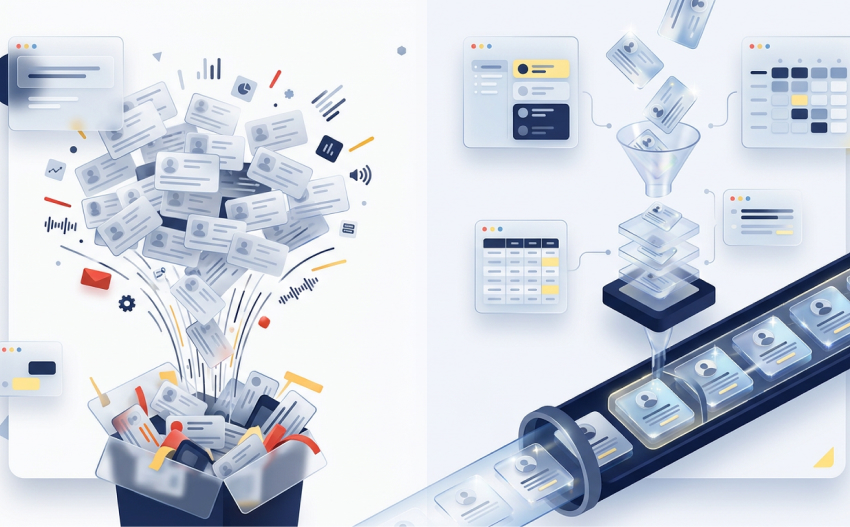
The skepticism around incentive-led lead generation is easy to understand. Many marketing teams have seen campaigns that produced a large file of names, weak buying intent, and poor progression into marketing-qualified leads.
That memory shapes the debate. A giveaway-heavy campaign can look efficient at the top of the funnel, then disappoint once sales or lifecycle teams start working the responses. The conclusion often becomes: incentives inflate volume and damage quality.
That conclusion is too broad.
The more accurate version is that badly designed incentive campaigns inflate low-value participation. The problem is usually not the mechanic itself. It is the mismatch between who the campaign attracts, what it asks for, and what happens after the initial interaction.
That distinction matters now because lead quality is under more scrutiny than simple lead volume. The official Salesforce State of Marketing report says marketers are under pressure to deliver more connected, personalized experiences while also improving efficiency. The official HubSpot State of Marketing frames a similar challenge: crowded markets, stronger pressure on trust and distinctiveness, and a need to show that marketing activity is producing commercially useful outcomes rather than surface-level numbers.
That is exactly where the lead-quality objection sits. Senior demand gen leaders are not asking whether a campaign can drive clicks. They are asking whether those clicks turn into the right kinds of prospects.
In practice, the answer depends on campaign design.
A paid social offer aimed broadly at anyone who wants a prize will often generate weaker leads than a well-targeted landing page tied to a relevant business offer, a role-specific message, and a follow-up path that distinguishes curiosity from genuine interest. The incentive can be present in both cases. The quality outcome will still be very different.
This is also why the “incentives equal bad leads” argument tends to survive. It is built on real examples, but the lesson drawn from them is often too simplistic. Many teams are reacting to poor execution, not a flawed channel logic.
Design choices that improve fit and intent

If the objective is lead quality improvement, the campaign has to be built from the start around fit and intent. That sounds obvious, but it is where many interactive demand gen programs lose discipline.
A strong interactive campaign should answer four questions early. Who are we trying to attract? What behavior do we want from them? What information do we need to judge fit? What happens after the first conversion event?
If those questions are unclear, the campaign can still drive engagement, but it is unlikely to generate many leads that sales teams value.
Audience targeting
Audience targeting is the first quality filter and is often the most important.
A weak targeting strategy can make even a well-built promotion look ineffective. If the traffic source is broad, the creative is vague, and the offer is framed for mass appeal, the campaign is likely to capture people who are interested in the reward but not especially relevant to the proposition.
That does not mean targeting should become so narrow that the campaign starves. It means the targeting logic should reflect the buying context.
For example, a B2B software launch aimed at operations leaders should not use the same audience framing as a broad awareness campaign for a consumer brand. A lead-capture campaign for channel prospects should not use generic “win prizes” language if the actual goal is to identify partners ready for structured follow-up.
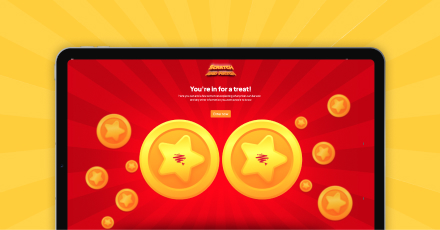
This is where interactive design can help rather than harm. A Scratch-Off or Click to Reveal mechanic can improve response among a well-chosen audience because it turns a passive message into a more active exchange. But it only improves lead quality if the audience itself is sensible.
The official HubSpot marketing trends coverage keeps returning to the same strategic pressure point: brands need stronger relevance and clearer differentiation in crowded markets. In demand gen terms, that means better audience choice before creative optimization even begins.
A useful test is simple. If the audience would still be commercially relevant even without the incentive, the campaign is starting in the right place.
Entry and qualification logic
The second quality lever is what the campaign asks for and when it asks for it.
This is where many teams make the wrong trade-off. They either create a zero-friction entry flow that captures large numbers of unqualified responses, or they front-load too many form fields, killing participation before intent can develop.
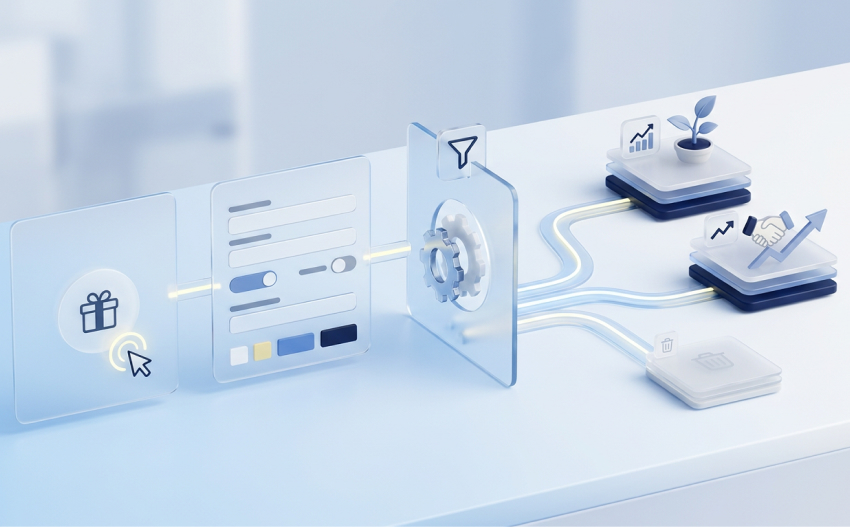
Better lead quality usually comes from staged qualification.
The first interaction can focus on participation and initial capture. The next step can gather more useful information once the person has already demonstrated interest. In some campaigns, that means progressive profiling. In others, it means gating the higher-value next action behind a second step, a product selector, a meeting request, or a role-specific content path.
This is not about making forms longer. It is about making the logic smarter.
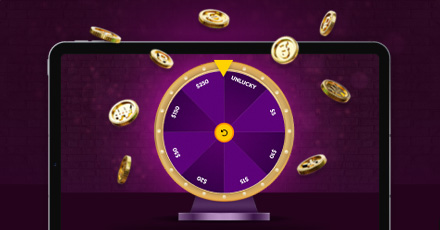
A branded Digital Spin Wheel might work well as a first engagement point on a campaign landing page, but the path after the spin should not treat every entrant the same. A student, a competitor, a current customer, and a target-account prospect should not all flow into the same nurture sequence if the business goal is to create better-fit MQLs.
BeeLiked’s rulebook supports public acquisition and data-capture campaigns with simple or advanced entry forms, configurable odds, prizes, and budget caps, and also supports journeys triggered or routed by external systems such as CRM, CDP, Zapier, or custom API workflows. That is commercially important here because quality is usually shaped by the interaction between the front-end experience and the downstream qualification logic, not by the front-end experience alone.
A practical example makes the point clearer. Imagine a paid social campaign promoting a new enterprise event or product launch. The first interaction could use a quick reveal to increase attention and click-through rates. But instead of stopping at the entry form, the next step could qualify leads by company size, role, or use-case interest, then direct higher-fit leads to the right follow-up branch. The mechanic improves engagement; the workflow protects lead value.
Offer alignment
Poor lead quality often starts with the wrong offer.
When the reward is too generic, too broadly appealing, or disconnected from the actual proposition, the campaign invites the wrong response. That is the classic “spreadsheet full of names” problem. People participate because the incentive is attractive, not because the brand, category, or product is relevant to them.
Offer alignment is the fix.
The incentive should feel connected to the audience and the commercial context. In some cases, that might mean access, exclusive content, a product-relevant reward, or a category-specific benefit rather than a high-noise prize. In others, it may mean keeping the reward small and immediate so that it supports attention without overpowering intent.
This is one reason interactive lead generation can work better than static incentive campaigns. The mechanic gives the brand a more engaging entry point, but the offer can still be calibrated carefully. Not every participant needs the same outcome, and not every campaign needs to maximize excitement.
The strongest demand gen programs use the incentive to reduce hesitation, not to replace relevance.
Follow-up workflows that protect value
Lead quality is not decided only at the point of capture. It is often improved or damaged by what happens next.
A campaign that generates strong initial participation can still yield disappointing outcomes if the follow-up treats every lead as equally ready, valuable, or sales-worthy. That is where workflows matter.
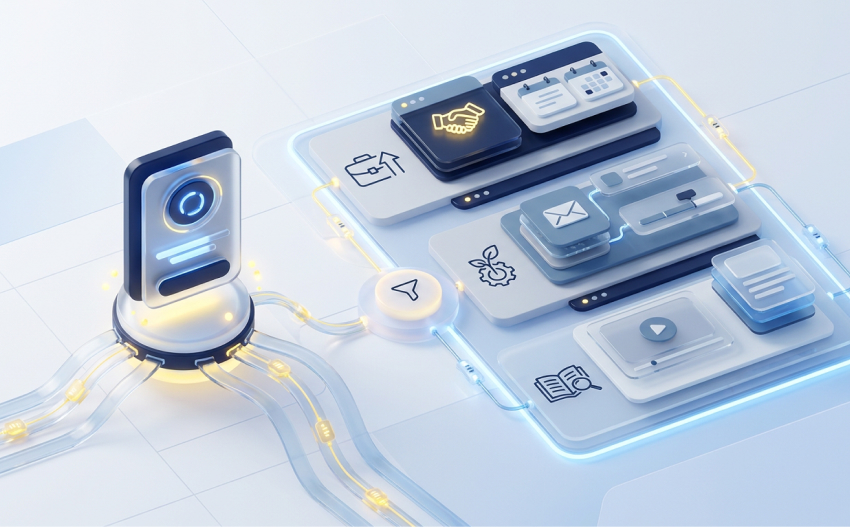
The first protection is routing. Leads should move into different paths based on what the campaign learned. Role, company type, declared interest, engagement depth, and source context can all shape that decision.
The second protection is pacing. Some leads need immediate sales follow-up. Others need nurture. Others should remain in marketing-owned education journeys until they show stronger intent. Dumping every incentive-led contact into the same “high-priority” queue is one of the fastest ways to reinforce the belief that promotions weaken lead quality.
The third protection is message continuity. If the initial campaign experience is interactive, clear, and reward-led, the follow-up should not feel like it came from a completely different program. Continuity helps preserve the credibility of the exchange.
This is where many teams quietly lose value. They put real effort into the campaign entry experience, then default to generic downstream handling. From a commercial perspective, that is wasteful. The better use of an interactive promotion is to create a more active first-conversion moment, then use the resulting data and behavioral signals to improve the next decision.
The opportunity is larger because marketers are already being pushed to connect more channels and signals. Salesforce’s official reporting around its latest State of Marketing findings emphasizes connected experiences, personalization, and efficiency pressures. Those priorities are highly relevant to demand gen conversion work, where disconnected handoffs remain a common source of wasted lead value.
Measurement that goes beyond cost per lead

If you judge an interactive promotion only by cost per lead, you are likely to misread its value.
Cost per lead still matters, but it is too blunt on its own. A campaign can look cheap and produce weak progression, or look more expensive and deliver a higher share of leads that actually fit the ICP, accept nurture, book meetings, or move toward the pipeline.
For lead quality improvement, the better measurement set usually includes four layers.
First, measure participation quality. Which channels, audiences, and mechanics produced the strongest completion and valid-data rates?
Second, measure qualification quality. How many captured leads matched the intended role, account profile, geography, or declared need?
Third, measure progression quality. Which leads moved into MQL, accepted nurture, responded to follow-up, or showed additional buying signals?
Fourth, measure commercial efficiency over time. Which campaign structures produced leads that justified the cost of acquisition and follow-up effort?
This is where the debate around gamified promotions becomes more mature. The question is not whether a promotion delivered more names. It is whether it produced more usable intent.
That framing also helps marketing and sales have a better conversation. Instead of arguing abstractly about whether incentives “work,” the team can examine which campaign designs, offers, and workflows produced stronger-fit prospects.
Where BeeLiked fits
BeeLiked fits as the engagement layer inside a broader demand gen system, not as a claim that one platform solves lead quality on its own.
For marketing teams, that means using BeeLiked to build branded entry experiences that can improve attention and participation while still supporting data capture, controlled rewards, and downstream follow-up workflows. BeeLiked supports public acquisition and data-capture campaigns, flexible entry forms, configurable odds and prizes, and integration with externally orchestrated journeys, making it relevant when the goal is better interaction design rather than raw lead volume.
That matters because the lead-quality debate is usually really a campaign-design debate. The more carefully the front-end experience is aligned with targeting, qualification logic, and routing, the more likely an interactive campaign is to generate useful leads rather than noisy ones.
If security review is part of the buying process, BeeLiked is ISO/IEC 27001:2022 and SOC 2 certified. Any promotion-law or compliance considerations around incentive-led campaigns are general information only, not legal advice, and brands should consult their own legal counsel before launch.
Decisions & next steps
If your team is still treating incentives as automatically bad for lead quality, it is worth reframing the question.
The real issue is not whether an offer creates interest. It is whether the campaign is designed to convert that interest into better-fit, better-routed, commercially useful leads.
That means starting with the audience, not the mechanic. It means building entry flows that qualify without choking participation. It means choosing rewards that support relevance rather than overwhelm it. And it means following up in ways that protect the value of the signal you just created.
For demand generation leaders who want more engaging acquisition and attention campaigns built around incentivized participation, BeeLiked offers a practical way to create branded interactive experiences that fit inside a wider qualification and follow-up model, rather than sitting outside it.