A customer reactivation plan is a short, structured program designed to bring dormant or low-frequency customers back into active engagement. In Q1, the most effective plans do not rely on a single win-back email. They use sequencing, segmentation, and controlled incentives to rebuild momentum over a defined period.
60-second view
Reactivation works better when it is treated as a program, not a one-off blast.
January gives CRM teams a useful reset point. Customers have moved through holiday noise, budgets are being reviewed, and many brands are looking for a practical way to restart lapsed engagement without defaulting straight to deep discounting.
The strongest customer reactivation plans usually follow a simple pattern. First, define dormant audiences properly before sending anything. Then build a 30-day sequence that moves from attention and curiosity into participation, offer exposure, and follow-up. Finally, measure progress with clear decision rules rather than hoping one send will solve a longer-term retention problem.
For CRM and lifecycle leaders, the commercial value is straightforward. A structured program gives you more control over audience selection, reward exposure, message pacing, and learning. It also creates room for branded interactive promotions to support the plan, where immediate engagement or incentive-led re-entry makes sense.
Segmenting dormant audiences before you send anything

One reason reactivation campaigns underperform is that “dormant” is treated as a single segment, when it is usually several distinct behaviors grouped together.
A customer who bought once 90 days ago is not the same as a previously loyal customer who has gone quiet for nine months. A recent holiday shopper who has not returned yet is not the same as a long-lapsed loyalty member who stopped responding to email altogether. If all of them receive the same message, the plan starts weak.
This matters because customer expectations are now shaped as much by relevance as by offer strength. In its overview of customer expectations, Salesforce notes that customers increasingly expect personalized, connected interactions rather than generic treatment. Reactivation is exactly the kind of use case where that difference shows up. A broad “we miss you” email sent to every lapsed contact does not feel especially thoughtful, and it often wastes incentive budget on the wrong people.
A more useful starting point is to break dormant customers into a small number of commercially meaningful groups:
Recently cooled off. These are customers whose purchase or engagement gap is concerning but not yet severe. They may respond to light reminders, product relevance, or a small incentive.
Previously valuable, now inactive. These customers often justify more deliberate handling. They may need stronger recognition, better timing, or a more tailored reason to return.
Low-frequency, low-response contacts. This group may still be worth testing, but the plan should protect the budget and avoid over-investing in people who show little sign of reactivation potential.
Behaviorally quiet but still reachable. These customers may open or click occasionally without converting. They are often good candidates for immediate-payoff experiences that provide a stronger reason to engage.
This is also where operational discipline helps. BeeLiked’s rulebook is clear that private, invite-only campaigns can be used for loyalty, retention, and rewarding specific individuals or segments, while journeys themselves may be orchestrated by external CRM or other systems. That distinction matters here. The orchestration logic should still sit in your broader CRM or lifecycle program, while the engagement layer can be used selectively within it.
In practice, the best segmentation model is usually the one your team can actually execute cleanly in Q1. It does not need to be elaborate. It needs to be specific enough that the next 30 days do not become another undifferentiated win-back push.
Week-by-week reactivation framework
A good 30-day customer reactivation plan should create movement. Each week needs a job to do, and each touchpoint should help qualify whether the customer is warming back up, ignoring the sequence, or ready for a stronger prompt.
Attention and curiosity
Week one is about reopening the relationship without spending too much too early.
That usually means avoiding the instinct to lead with the biggest discount. A better opening move is often a message that acknowledges time away, introduces something current, or creates a simple reason to click back in. The tone should feel useful rather than desperate.
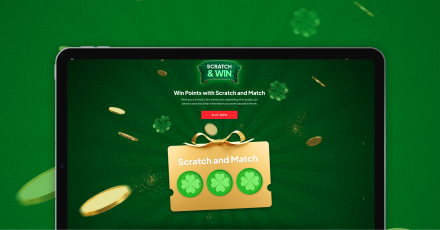
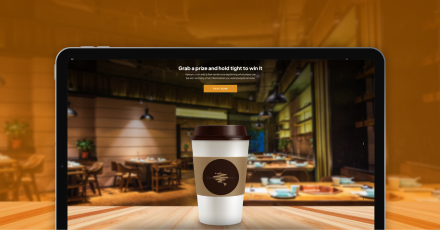
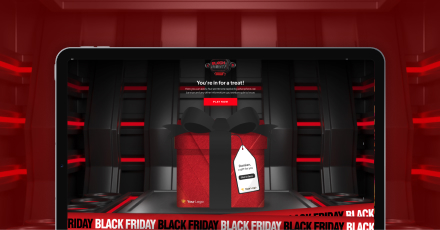
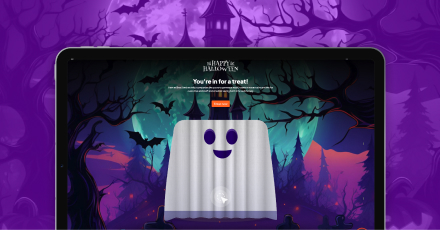
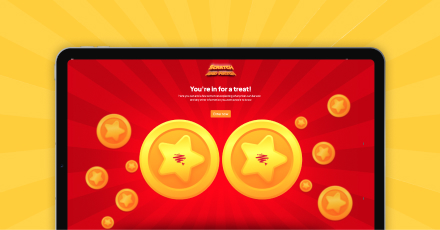
This is where curiosity-led mechanics can help. A Mystery Envelope or Scratch-Off format can work well when the objective is to get a previously quiet customer to take a defined action. The point is not to turn reactivation into entertainment for its own sake. It is to reduce passivity. Instead of asking someone to read and consider, you are giving them a reason to engage now.
A practical example: a customer who bought during the holiday period last year but has not returned since autumn could receive a reactivation email that leads to a simple reveal mechanic tied to a light incentive, bonus points moment, or member-only perk. That creates a cleaner return path than another standard banner-led promotion.
Week one should also include suppression logic. If a customer re-engages meaningfully, they should move into the right next path rather than continue receiving blanket win-back messages.
Offer and participation
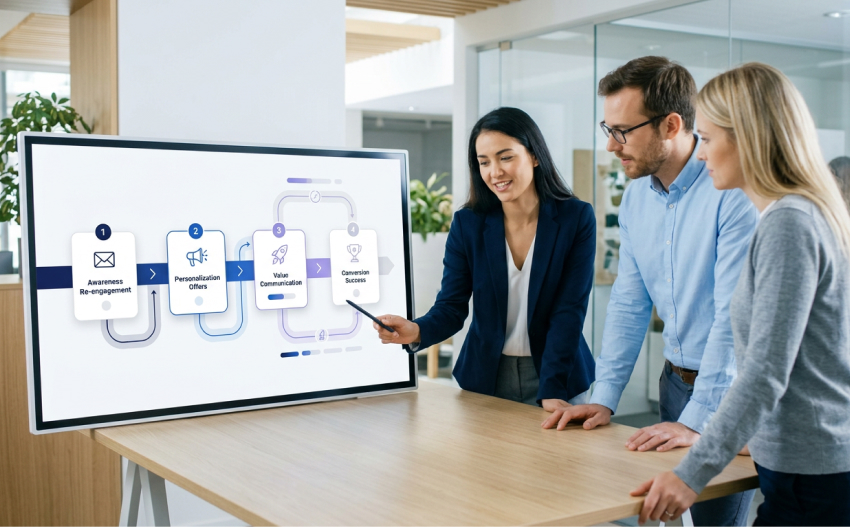
Weeks two and three are when the program becomes more explicit.
Once a customer has shown some interest, the next step is to clarify the value exchange. This is the stage where offer framing, reward control, and participation design matter most. The offer does not always need to be financial. It can be access, loyalty points, product discovery, or a timely reminder tied to behavior.
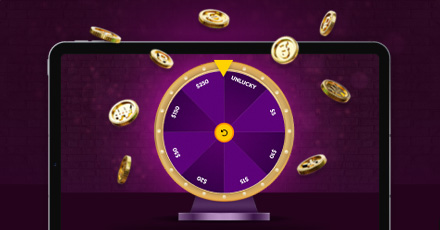
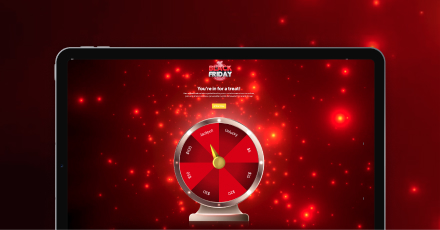
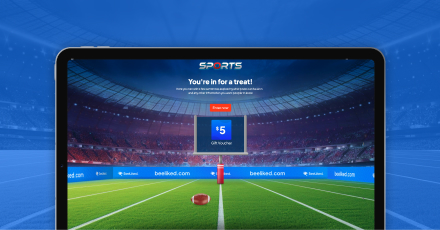
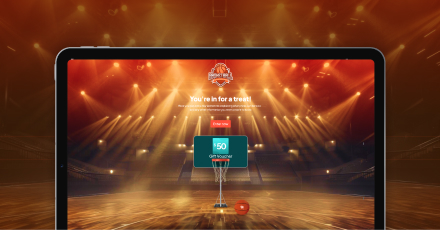
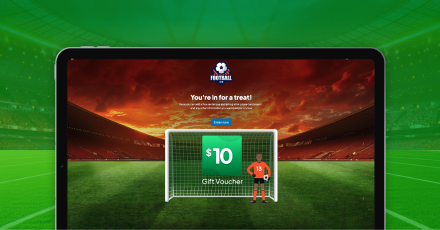
This is also where a Digital Spin Wheel can be useful for selected segments. For a recently cooled-off audience, a chance-based mechanic can create immediacy without automatically committing the business to a flat offer for everyone. The brand controls the reward structure, and the customer gets a moment of participation that feels more active than a static CTA.
The commercial advantage here is control. Rather than increasing discount pressure across the entire dormant base, the team can use configured rewards and eligibility rules to create more selective exposure. That fits the broader direction of current marketing strategy as well. In the Salesforce State of Marketing report, Salesforce continues to emphasize the pressure on marketers to improve efficiency while delivering more connected and relevant experiences. Reactivation is one of the clearest places where those two pressures meet.
A useful pattern in this middle phase is to match the mechanic and reward level to audience value:
Recently lapsed customers may only need a small nudge.
Previously high-value customers may warrant a more considered re-entry offer or member recognition angle.
Low-response groups may be better served with tighter caps and clearer decision points.
The goal is not to make week two louder. It is to make it more deliberate.
Follow-up and conversion

Week four is where many reactivation programs lose discipline. Either the team keeps repeating the same offer, or it gives up too early.
A better approach is to treat the final phase as decision time. Customers who have engaged but not converted may need one more message with a sharper proposition, stronger urgency, or simpler path back to purchase. Customers who have ignored the full sequence may need to be held back for a later cycle rather than pushed into inbox fatigue.
This is where follow-up should become more rules-based. If a customer opened but never clicked, that is one situation. If they clicked, participated, and browsed without converting, that is another. If they redeemed an incentive but still did not purchase, that tells you something else again.
The strongest Q1 plans do not judge success only by immediate revenue. They also look at signs of renewed intent: visits, participation, profile updates, loyalty actions, product views, or other progression events that show the customer is moving back toward active status.
That broader view also aligns with current thinking in marketing execution. HubSpot’s marketing trends coverage continues to emphasize the importance of relevance, differentiation, and smarter automation rather than simply producing more undirected content. In lifecycle reactivation, sequence quality usually matters more than message volume.
Choosing mechanics by audience value and behavior
Not every dormant segment needs a mechanic, and not every mechanic suits every audience.
That is why the best customer reactivation plans choose incentive design based on likely value and behavior rather than applying the same approach to everyone.
For lower-risk reactivation segments, a curiosity-led reveal can be enough. These customers may still recognize the brand, still have some category interest, and simply need a better prompt.
For higher-value dormant customers, the experience may need to feel more considered. A generic discount can work, but it may not be the most useful first move if the real issue is that the relationship has gone flat. In those cases, a branded participation moment tied to a member-only reward, recognition cue, or controlled offer can feel more intentional.
For low-propensity segments, mechanics should be used carefully. This is where exposure controls, budget caps, and simple exit rules matter. There is no point running a generous incentive-led journey indefinitely if the audience shows little sign of waking up.
BeeLiked fits here as an engagement layer, not as the entire CRM engine. The program logic, audience movement, and broader orchestration still belong in your CRM, CDP, or lifecycle setup. BeeLiked can then support the moments inside that program where an interactive, incentive-led experience is likely to improve response, participation, or memorability.
That distinction is important because it keeps the plan grounded. The objective is not to add gamification everywhere. It is to use it where it changes customer behavior in a commercially sensible way.
Measurement and decision rules

A 30-day plan should finish with decisions, not just a results summary.
That means defining success and stop rules before launch. Otherwise, the team is likely to keep sending messages because the program exists, not because the evidence supports it.
Start with a short KPI set:
Reach and engagement. Opens, clicks, visits, and participation rates show whether the audience is even responding to the sequence.
Progression behavior. Look for actions that indicate a return to active status, such as browsing depth, offer redemptions, loyalty activity, or repeat site visits.
Conversion outcomes. Measure purchases, repeat purchases, or whichever commercial event the reactivation plan is meant to drive.
Reward efficiency. Check whether the incentive structure is moving incremental behavior or simply subsidizing activity that might have happened anyway.
Then set a few decision rules. Which segments move forward into business-as-usual lifecycle journeys? Which need a second-wave test later in Q1? Which should be suppressed to protect the budget and deliverability? Which incentives are worth repeating, and which should be retired?
This is where reactivation becomes more than a campaign. It becomes a repeatable planning model.
Where BeeLiked fits
BeeLiked is an interactive promotions platform that can support selected moments within a planned reactivation program. For CRM and lifecycle teams, that means using branded, incentive-led experiences that add value to the broader win-back journey, rather than trying to replace the CRM orchestration itself.
That can include controlled reward moments for dormant segments, invite-only campaigns for specific customer groups, and interactions triggered by external systems in response to lifecycle events or status changes. The value is practical: brand control, configurable odds and rewards, access rules, and reporting that can support more deliberate reactivation design without turning the program into a manual one-off.
If security review is part of the discussion, we’ve got you covered as BeeLiked is ISO/IEC 27001:2022 and SOC 2 certified.
Decisions & next steps
The most useful shift in Q1 reactivation is moving from occasional win-back blasts to a short, structured plan.
For most CRM teams, that starts with better segmentation, not better subject lines. Define which dormant audiences actually matter. Build a four-week sequence with a different job in each phase. Use incentives selectively rather than universally. Decide in advance what success looks like and when to stop.
That approach is usually more commercially useful than sending one large reactivation email and hoping for a spike.
For CRM and lifecycle teams that want to add branded interactive incentives to retention, loyalty, or win-back journeys, BeeLiked can support engagement moments within a broader reactivation program, where participation, immediacy, and controlled rewards make practical sense.