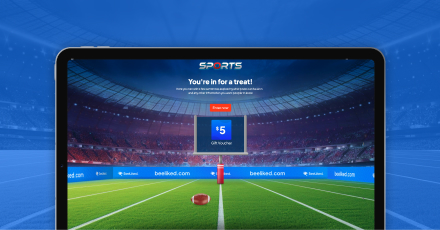
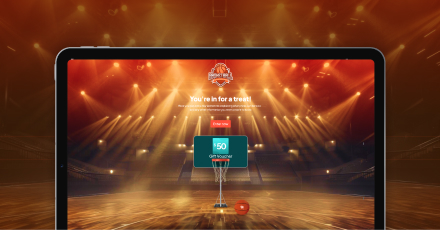
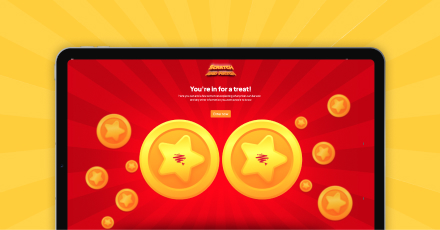
Automated partner incentives are a practical way to reward useful partner behavior without forcing channel teams to build a full custom rewards stack. In plain terms, that means using workflow triggers, API calls, or Zapier-style automations to launch small, branded reward moments when a partner completes a specific action.
The appeal is simple. Most partner teams do not struggle with incentive ideas. They struggle with administration. The spreadsheet grows, the approval chain gets longer, rewards are handled in batches, and the campaign loses momentum before the quarter is over.
60-second view
- Manual partner reward programs often break down because the admin burden scales faster than participation.
- The smarter model is not to build a full compensation platform. It is to automate specific reward-triggered moments inside existing partner workflows.
- Good trigger points are operational, not theoretical: onboarding completion, training completion, lead registration support, distributor campaign participation, and quarter-start activation.
- Interactive promotions can give partner teams a branded, lightweight way to deliver those moments without resorting to another email and another manual fulfillment step.
- BeeLiked fits as a platform that can slot into automated workflows via API or Zapier to trigger branded incentive experiences, not as a full sales compensation system.
Why manual incentive admin slows partner programs

Most partner incentive programs do not fail because partners dislike rewards. They fail because the operating model is too manual to sustain.
A Sales Enablement Director might want to reward distributor reps for completing onboarding, correctly registering leads, or attending a new-quarter launch session. That sounds straightforward. But once the program starts, someone has to verify the action, check eligibility, assign the reward, send the communication, log the outcome, and answer follow-up questions. Multiply that across geographies, partner tiers, and campaign periods, and the “simple” incentive becomes another operations project.
This is why many partner teams fall back on blunt tools. They use a monthly prize draw. They send one-off gift card emails. They run a quarterly push that gets attention for a week and then disappears into the backlog. The incentive exists, but the workflow around it is fragile.
That matters more now because partner ecosystems are growing in both size and strategic importance. In 2025, Forrester’s look at the state of partner ecosystems argued that most B2B partner ecosystem and channel marketing decision-makers expect partner ecosystems to expand, with many also expecting indirect revenue to grow above the previous year.
In other words, the channel is not getting simpler. More partners, more influence, and more indirect revenue usually mean more pressure on the teams responsible for consistent enablement. A manual reward process does not become more manageable at that point. It becomes the bottleneck.
A simpler automation model for engagement incentives
The mistake many teams make is assuming there are only two options. Either keep the current manual process, or commission a custom-built rewards program with complex rules, full ledger logic, and heavy systems work.
There is a third option, and for many partner teams it is the more sensible one.
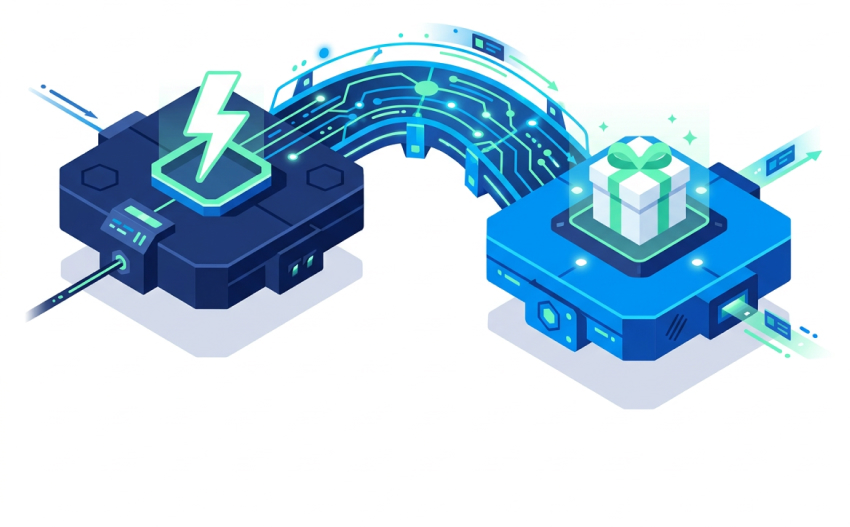
Automate the trigger, experience, and reporting for a defined partner behavior. Do not try to recreate your entire incentive estate.
That model works best when the reward moment is tied to a clear event inside an existing workflow. A partner completes a training module. A lead registration is approved. A distributor rep submits the correct launch form. A reseller engages with a quarter-start activation. The source system confirms the action, and the workflow triggers a branded incentive experience. The reward can be instant, controlled, and preconfigured rather than manually reviewed every time.
This is where automation becomes useful in a commercial sense. It is not magic. It is an operational discipline. The rule is set once, the campaign is connected to the right event, and the reward moment appears consistently without someone rebuilding it each week. That aligns with the broader direction of automation adoption: Zapier’s roundup of business automation statistics indicates widespread automation use across modern organizations.
For partner teams, that means the goal is not a giant platform replacement. The goal is a repeatable partner reward workflow.
Trigger examples tied to real workflows

The most effective automated partner incentives are attached to actions the business already wants to happen. That keeps the program useful, measurable, and easier to explain internally.
Form completion
A common example is partner onboarding or campaign enrollment.
Say a new distributor contact needs to complete a profile, submit key market information, or opt into a product launch program. Instead of sending a reminder sequence and hoping someone follows through, the workflow can trigger a branded reward experience as soon as the form is completed and validated.
This matters because completion is often where manual friction starts. Teams chase missing data, partners lose interest, and launch windows slip. A triggered reward creates a cleaner value exchange: complete the action, receive the moment immediately.
For this kind of use case, a format like Mystery Envelope can work well because it feels more deliberate than a generic “thanks for submitting” email while still being simple to run. The point is not novelty for its own sake. The point is turning an admin-heavy process into a lightweight behavior cue.
Training completion
Training is another strong fit because partner teams often need more than attendance. They need verified completion and sustained participation over time.
A new product launch is a good example. Your channel team needs partner sellers to finish a training path before quarter-start outreach begins. The manual version usually involves exported lists, reminder emails, and delayed recognition. The automated version connects the learning or enablement event to a reward trigger.
That is especially relevant in a market where personalization and relevance matter more than volume. McKinsey’s work on personalized marketing has highlighted how strongly people respond to timely, relevant interactions. While partner programs are not the same as consumer retail, the underlying lesson still applies: generic communication gets ignored faster than timely, useful prompts.
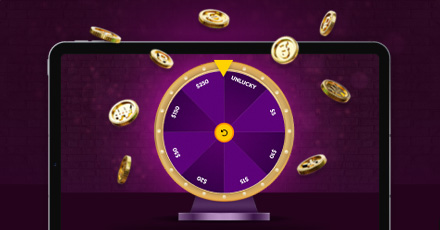
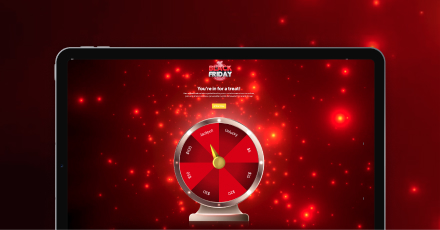
For training completion, a controlled instant-win style experience, such as a Digital Spin Wheel, can create a stronger completion moment than a delayed manual reward batch. It also gives the program owner clearer campaign-level reporting than a scattered email trail.
Lead registration or sales milestone support actions
Not every incentive has to sit at the final revenue outcome. In fact, many channel programs work better when they reward the support actions that make revenue more likely.
That might include submitting a complete lead registration, updating deal information on time, attending a co-sell planning session, or completing a launch checklist for a regional campaign. These are operational behaviors, but they matter commercially because they improve visibility, partner readiness, and speed to execution.
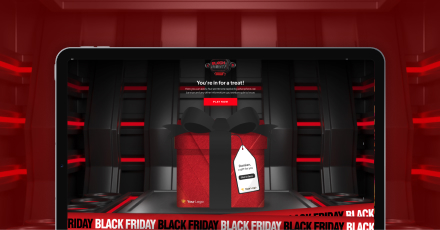
A lighter-touch experience, such as Click to Reveal, can fit here because it is easy to trigger around a validated milestone. It gives partners a clear acknowledgment that the action was noticed, without turning every step into a large, manually administered program.
This is also where automated partner incentives are often more sustainable than winner-takes-all contests. Instead of concentrating attention on a few top performers, you can reinforce a broader set of useful actions across the partner base.
Where API and Zapier-style workflows fit
The operational model is straightforward.
A source system records the action. That might be a CRM, PRM, learning platform, form tool, or another internal system. An API call or a Zapier-style workflow then applies the logic and routes eligible partners to the right campaign. The partner receives the branded incentive experience, and the result is logged for reporting and audit purposes.
This is exactly the kind of middle ground many teams need. They do not want another disconnected microsite that operations has to manage by hand. They also do not need a multi-year build to create a custom rewards engine for every use case.
The broader market points in the same direction. Salesforce’s State of Marketing has repeatedly shown that many marketing teams have more data than activation capacity. That is the same gap many partner teams face. The data exists. The desired behavior is known. The problem is activation.
In practical terms, channel incentive automation works best when you keep the logic narrow and the trigger clean. Define the qualifying event, define the eligible audience, define the reward rules, and automate the handoff. That is far more achievable than trying to design a universal incentive engine upfront.
What to track operationally and commercially
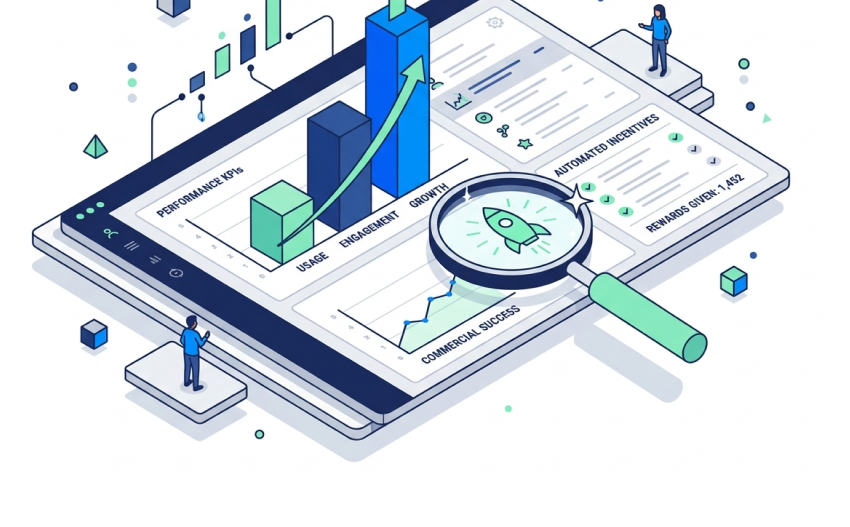
If you want automated partner incentives to earn budget and internal trust, track more than redemptions.
Operationally, start with trigger reliability. Did the workflow fire at the right moment? Were eligibility rules applied correctly? How long did it take from partner action to reward experience? If those basics are weak, the program will feel inconsistent no matter how creative it looks.
Commercially, track the behavior the incentive was meant to improve. That could be onboarding completion rates, training completion rates, lead registration accuracy, launch participation, or time-to-action after a new-quarter announcement. The reward experience is not the KPI by itself. It is the mechanism that supports the KPI.
You should also watch the audience quality. Which partner segments respond? Which triggers generate repeat participation? Which journeys produce action without overspending on rewards? Those answers help you refine partner reward workflows over time, rather than treating every campaign as a one-off.
For promotion-law and eligibility questions, treat this as general information only. Rules vary by market, audience, and reward structure, so partner teams should always consult their own legal counsel before launching a promotion or incentive campaign.
Where BeeLiked fits
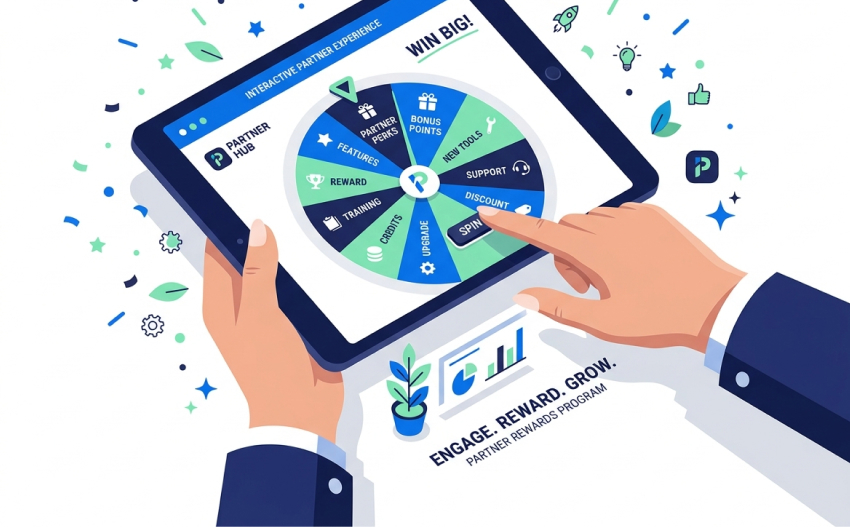
BeeLiked fits when a partner or channel team wants to automate branded incentive moments inside existing workflows without building a custom rewards program from scratch.
BeeLiked is best positioned here as a platform that can slot into automated workflows via API or Zapier to trigger branded incentive experiences. That makes it a practical fit for onboarding incentives, training completion rewards, quarter-start activations, or milestone-based partner engagement. It should not be framed as a full sales compensation platform.
For teams using workflow-driven activation, BeeLiked’s role is the branded experience layer. A source system or automation workflow confirms the action, and BeeLiked delivers the incentive moment in a format that feels more deliberate than another follow-up email.
Where security and governance matter, BeeLiked is ISO/IEC 27001:2022 and SOC 2 certified. That gives enterprise teams a clearer basis for internal review when assessing vendors that will sit within customer-, partner-, or channel-facing journeys.
The commercial advantage is not that every partner incentive suddenly becomes complex or flashy. It is that the admin burden can be reduced while the reward moment becomes more timely, more visible, and easier to repeat.
Decisions & next steps
If you are considering automated partner incentives, start with a narrow operational decision rather than a broad platform debate.
- Identify one partner behavior that matters and is currently slowed down by manual follow-up.
- Check which source system already reliably records that action.
- Design one automated workflow with a clear trigger, eligibility rule, and branded reward moment.
- Decide what success looks like before launch, including both operational and commercial metrics.
- Review legal, eligibility, and disclosure requirements with your own counsel where relevant.
- Expand only after the first workflow proves it can run consistently.
For partner and channel teams that want to stay top of mind without adding more admin, BeeLiked is worth considering as the interactive layer inside that workflow: practical, branded, and built to support controlled incentive moments rather than another manual process.y not the ones asking for the least. They are the ones making the exchange feel most worth saying yes to.