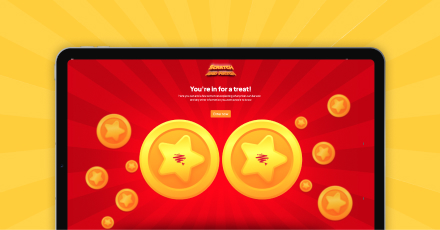
Brand engagement campaigns are designed to create interest before a customer is ready to buy. In low-intent audiences, that means giving people a reason to interact now, not simply asking them to care earlier than they naturally would.
60-second view
Low-intent audiences rarely respond well to a direct product ask because they are not yet actively shopping, comparing vendors, or looking for a demo. They are browsing, skimming, or only loosely aware of the category.
That is why passive campaign formats often struggle at the top and middle of the funnel. A standard ad, landing page, or social post may be visible, but visibility alone is not enough to prompt action.
Gamified promotions can help because they change the value exchange. Instead of asking for immediate buying intent, they ask for a small action in return for curiosity, surprise, or a controlled reward. That makes them useful for awareness and consideration campaigns where attention is scarce, and intent is still forming.
For senior marketing leaders, the commercial point is simple: the goal is not to make campaigns noisier. It is to create a more active first interaction. Used well, branded interactive promotions can support audience engagement, data capture, and future demand without overcomplicating the campaign. BeeLiked positions this kind of work around gamified, incentive-led experiences, controlled rewards, and public acquisition campaigns, while keeping claims grounded rather than overpromising outcomes.
Why direct-response logic fails too early

A lot of awareness activity still borrows the logic of conversion campaigns. The creative asks the audience to shop now, book now, register now, or learn more now, even when the audience has not yet built enough interest for that ask to feel relevant.
That mismatch is expensive.
It leads to campaigns that look efficient on paper because they have a clear CTA, but underperform in practice because the audience is being asked to make a decision too soon. The problem is not always the channel or the product. It is the timing of the ask.
This is a broader marketing challenge, not a niche one. In the official Salesforce State of Marketing report, Salesforce says it surveyed more than 4,500 marketing leaders worldwide and found that 83% recognize the shift toward personalized, two-way messaging, while only one in four are satisfied with how they use data to power those moments. That gap matters here because low-intent audiences respond poorly when brands broadcast to them rather than creating a more engaging exchange.
The same pressure shows up in crowded media environments. HubSpot’s official 2026 State of Marketing report frames the year around changing buyer behavior, stronger pressure on brand and growth, and the need for clearer differentiation. In other words, marketers are competing not only against direct rivals, but against distraction itself.
That is why direct-response logic often fails too early. It assumes the audience already cares enough to evaluate a serious offer. Most do not. At best, they notice the message. At worst, they scroll straight past it.
A better top and mid-funnel question is this: what would make a low-intent person choose to interact, even briefly, with this brand right now?
That is where attention marketing becomes more useful than pure demand capture. It accepts that some audiences are not ready for a product conversation yet and builds a lower-friction step before it.
How game mechanics lower the barrier to interaction
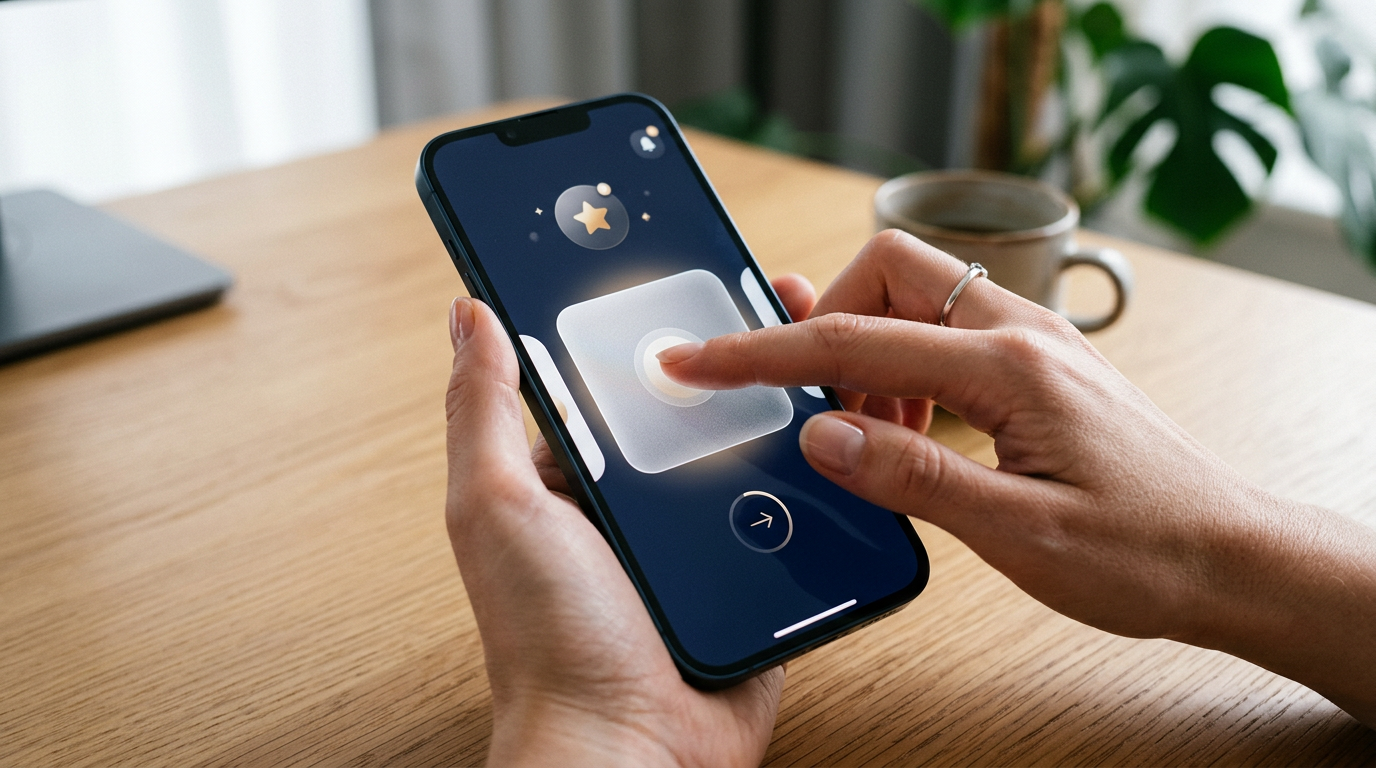
Gamified promotions work well for low-intent demand generation because they reduce the effort required to get started.
That does not mean they eliminate friction entirely. It means they replace a high-commitment ask with a smaller, clearer exchange. Spin this. Scratch this. Reveal this. Play now and see what happens.
The psychology is straightforward. Interactive formats introduce agency, instant feedback, and curiosity. Instead of passively consuming a message, the user does something. That action may be tiny, but it is still more involving than reading a banner headline and moving on.
BeeLiked’s own engagement-marketing guidance makes this point directly: interactivity matters because it asks for a small action in exchange for potential value, then connects that to engagement, data capture, and memorability. It also recommends positioning these formats as a response to crowded feeds, banner blindness, and email fatigue, rather than treating them as novelty for novelty’s sake.
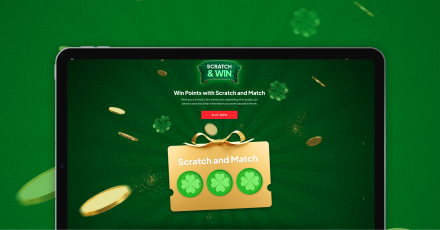
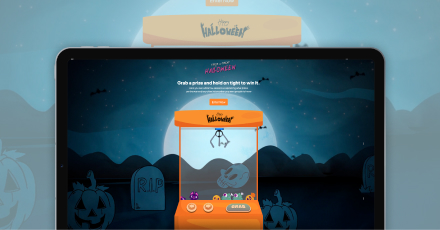
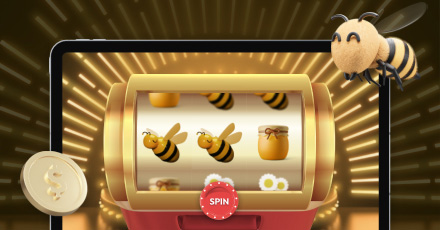
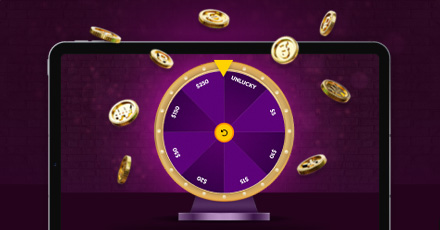
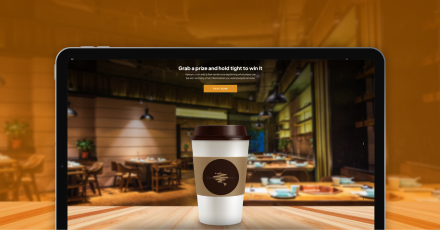
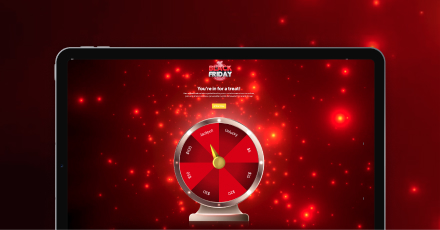
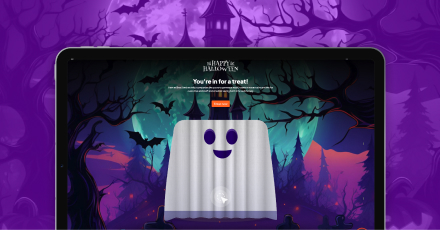
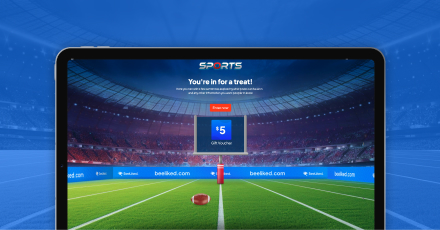
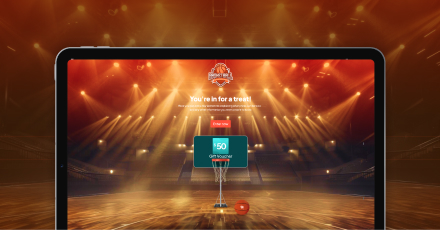
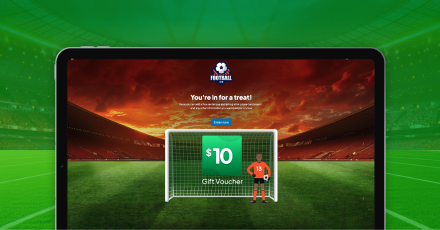
There is also a strategic advantage here. A low-intent audience does not necessarily need a bigger claim. It needs a better reason to care for a moment. A Digital Spin Wheel, Grabber, or Scratch-Off format can provide that moment when the campaign needs a more active exchange than a static ad or landing page would usually create.
That is especially relevant in mobile environments, where people make snap judgments about whether something is worth their attention. A conventional message has seconds to earn interest. An interactive one can earn those same seconds by inviting participation rather than explanation.
Still, this only works when the mechanic supports the campaign job. A game layer cannot rescue weak targeting, muddy creative, or an offer that makes no sense for the audience. It lowers the barrier to interaction. It does not remove the need for good marketing judgment.
Good-fit use cases for awareness and consideration

The best brand engagement campaigns use gamified promotions to create a clearer path from passive awareness to active participation.
Launches
Launch campaigns often struggle because the audience has little context and no immediate reason to care. Even strong creative can feel one step too early if the viewer has no prior interest in the category or the brand.
That is why game mechanics can work well around launches. They give the audience an easier first step than “discover the product” or “learn more.” A campaign landing page or paid social unit that invites a quick interaction can turn a vague impression into a defined moment.
For example, a new product or seasonal range does not need to open with a hard-sell CTA. It may perform better with a mechanic-led entry point that creates curiosity, gives the user a chance to reveal an offer or content path, and then routes them into the launch story.
The important point is not that every launch should be gamified. It is that launches aimed at cold or mixed-intent audiences often need a more active first move than static product messaging alone.
Category education
Some of the hardest campaigns are not product launches at all. They are category campaigns, where the real challenge is getting people to care about a problem or use case they are not yet actively researching.
This is where low-friction participation can be especially useful. If the category requires a lot of explanation, asking for a demo or deep content download too early can be unrealistic. A lighter interaction can earn more attention up front, then create room for the educational step after the audience has engaged.
HubSpot’s official marketing trends coverage repeatedly emphasizes the need for stronger relevance and differentiation in crowded markets. That idea matters here because educational campaigns often lose attention, not because the topic is unimportant, but because the format does not give the audience a compelling reason to begin.
A well-designed gamified promotion can act as that starting point. It creates a reason to pause, participate, and then move into content that explains the category in a more digestible way.
Audience re-engagement
Re-engagement sits between awareness and conversion. The audience is not fully cold, but it is not actively leaning in either.
This is a strong use case for interactive formats because the challenge is often not pure discovery. It is inertia.
A previous site visitor, lapsed email engager, or event contact may not need a detailed pitch. They may simply need a more vivid reason to take the next step. In that situation, a mechanic-led campaign can generate more energy than a standard reminder email or a generic retargeting ad.
The key is to match the experience to the audience’s temperature. Re-engagement does not always need a large reward. Sometimes it just needs a better entry point.
Keeping the campaign relevant, not gimmicky

The biggest objection to gamified promotions in senior marketing teams is not usually technical. It is strategic.
Leaders worry that the format will feel gimmicky, attract the wrong audience, or distract from the brand. Those concerns are valid. Poorly designed gamified promotions can do exactly that.
The answer is not to avoid interactivity. It is to design it properly.
First, the mechanic has to fit the job. If the campaign is trying to introduce a brand, reawaken interest, or get a cold audience into an owned environment, the interactive layer should make that step easier. If it exists only to add noise, it will look superficial.
Second, the reward logic has to stay controlled. BeeLiked’s rulebook is clear that chance-based formats are controlled, brand-safe promotional games of chance, with outcomes, caps, and odds configured by the client in advance. It also warns against casino language and makes clear that these are marketing promotions, not gambling products.
Third, the creative still needs to feel like the brand. Senior audiences are usually right to reject campaigns that look like generic discount wheels with a logo added on top. The stronger approach is to use interactivity as part of the brand experience, not as a substitute for it.
Fourth, the follow-up path matters. A gamified entry moment should lead somewhere sensible, whether that is content, sign-up, product exploration, or opt-in. Otherwise, the campaign creates a spike of activity without much strategic value.
Any promotion-law considerations here are general information only, not legal advice. Because rules vary by market and campaign structure, brands should consult their own legal counsel before launch.
Where BeeLiked fits

BeeLiked fits as the interactive promotions platform for brands that want more engaging top- and mid-funnel experiences without turning the campaign into a one-off custom project. In this context, that means branded, incentive-led experiences that can support awareness, consideration, data capture, and future demand in a more active way than static formats often allow.
That positioning needs to stay practical. BeeLiked is not a generic “gamification everything” tool, and it should not be presented as a magic answer to weak demand. The useful role is narrower and more credible: helping brands design and deliver interactive promotions with creative control, configurable odds and rewards, automation and CRM integration, and support for public acquisition campaigns where participation matters.
If security review is relevant, we’ve got you covered as BeeLiked is ISO/IEC 27001:2022 and SOC 2 certified.
Decisions & next steps
If brand attention is getting harder to earn, the answer is not automatically more media, more copy, or louder CTAs.
A better next step is to look at where your current awareness and consideration campaigns ask too much too soon. Which audiences are still low intent? Which channels are delivering visibility but not interaction? Which campaign moments would benefit from a smaller, clearer first action?
From there, the decisions become more concrete. Choose one use case, such as a launch, category-education campaign, or re-engagement audience. Match the mechanic to the job. Keep the reward logic controlled. Make sure the next step after participation is commercially useful. Then measure whether the campaign improved interaction quality, not just reach.
For marketing leaders who want more engaging acquisition and attention campaigns built around incentivized participation, BeeLiked offers a practical way to create branded interactive experiences that support future demand rather than simply adding more promotional noise.