Partner recognition ideas work best when they do more than acknowledge effort in passing. At year-end, the strongest programs give partners a clear, memorable signal that their contribution was seen, valued, and worth building on in the new year.
60-second view
Year-end is a natural point for partner appreciation, but many programs default to a generic thank-you email, a broad announcement, or a reward structure that feels impersonal.
That usually underdelivers. Recognition only lands when it feels timely, relevant, and specific enough to matter. For partner and channel teams, that means thinking beyond one-way communication and creating moments that invite participation.
Used well, branded interactive promotions can help make recognition more visible and more memorable without turning it into a heavy operational project. Formats such as Mystery Envelope, Unwrap the Gift, and Scratch-Off can support year-end reward moments, milestone recognition, and new-year reactivation when the mechanics, reward logic, and fulfillment are planned properly.
The commercial point is straightforward. Recognition should not feel like an afterthought. It should reinforce the relationship, reward the right behaviors, and give partners a reason to stay engaged after the holidays rather than drifting into a quiet January.
Why generic appreciation messages underdeliver

Most partner programs know recognition matters. The problem is that recognition often gets delivered in the lowest-energy format available.
A year-end email from a senior leader can be a useful touchpoint. So can a note in a portal, a seasonal gift, or a broad incentive summary. But when those messages are generic, they rarely create much momentum. They acknowledge the calendar more than the partner relationship.
That matters because partner ecosystems are becoming more important, not less. In Forrester’s 2025 look at partner ecosystems, the firm argues that B2B organizations are increasingly relying on partner ecosystems to meet buyer expectations, support innovation, and drive growth. When partner routes matter more commercially, the quality of partner engagement matters more, too.
The issue is not that partners expect fireworks. It is that routine communication has limits. A distributor, reseller, or channel seller who has spent the year completing onboarding, joining campaigns, hitting milestones, or maintaining program participation can tell the difference between recognition that was designed and recognition that was merely sent.
Generic appreciation also creates a fairness problem. When every partner receives the same broad message, regardless of their level of activity, it can flatten the program’s value. High-contributing partners may feel overlooked. Newer or quieter partners may not understand what behaviors the program wants to encourage next.
That is why many “thank you for a great year” messages feel polite but commercially weak. They close the period without shaping the next one.
For partner program managers, the better question is not “How do we say thanks at scale?” It is “How do we make recognition visible, credible, and useful across a diverse partner base?”
What makes recognition feel meaningful
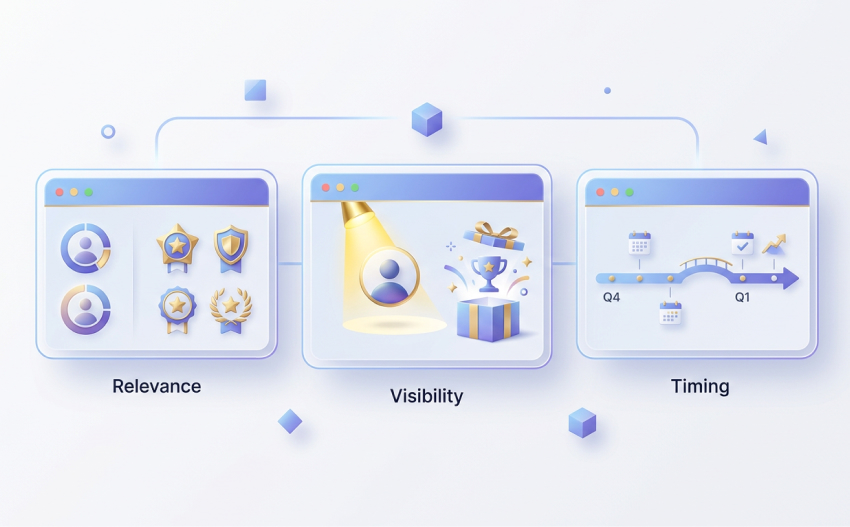
Recognition becomes meaningful when it combines three elements: visibility, relevance, and timing.
Visibility matters because private appreciation is easy to miss. A reward reveal, milestone message, or branded recognition experience gives the moment a clearer shape. It feels intentional rather than incidental.
Relevance matters because different partners contribute in different ways. One may have completed training. Another may have driven campaign participation. Another may have reached a revenue or activation threshold. Another may simply have shown consistency in a program where drop-off is common. Recognition feels stronger when the reward moment reflects the behavior behind it.
Timing matters because the end of the year is not only a closing period. It is a bridge period. A recognition campaign that lands in late Q4 can do two jobs at once: reward past effort and signal what kind of engagement matters in Q1.
This fits with broader marketing pressure to create more connected, personalized experiences. The Salesforce State of Marketing report continues to position connected engagement and personalization as central priorities for marketers. That is relevant to partner programs, too. Recognition that feels one-size-fits-all is rarely as effective as communication that reflects role, status, or recent behavior.
There is also a motivation point here. Recognition is not only about the reward itself. It is about feedback. It tells partners what the program noticed and what it values. The BeeLiked rulebook is explicit that incentive design should align rewards to desired behaviors and that frequent, fair, visible reward moments tend to work better than rare, oversized ones that feel disconnected from day-to-day effort.
That principle is useful in partner programs because year-end recognition should not become a winner-takes-all exercise. The strongest programs usually reward a mix of contribution types, keep the structure understandable, and make the path from effort to recognition feel credible.
Interactive year-end campaign ideas
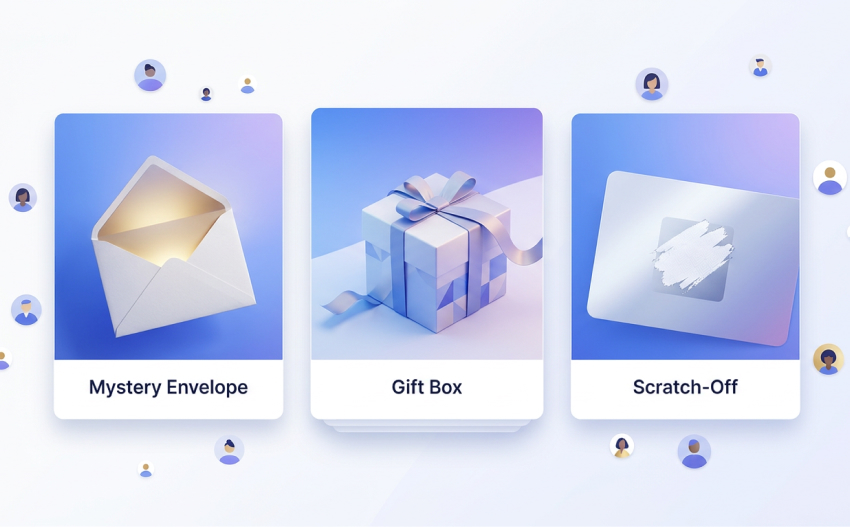
A good year-end recognition campaign does not need to be complicated. It needs a clear job to do.
In some programs, the job is to thank active partners and keep them warm into January. In others, it is to re-engage quieter segments. In others, it is to reward milestone completion or campaign participation without building a large one-off administration process.
Here are three practical patterns.
Reward reveals
A reward reveal works well when the goal is to make appreciation feel more tangible than a plain message.
For example, a channel team could send eligible partners to a branded experience where they open a Mystery Envelope to reveal a year-end thank-you reward. The reward might be points, a voucher, merchandise, event access, or a small tiered recognition benefit tied to the program structure.
The point is not spectacle. It is clarity. The partner sees a defined moment of recognition rather than another piece of inbox copy.
This approach is useful when the audience is already known, and access can be controlled. It also works when the program wants to segment rewards by status, region, partner type, or activity level. BeeLiked’s rulebook allows for private, invite-only campaigns and controlled rewards tied to specific individuals or lists, which is particularly relevant for partner and broker journeys.
A practical example would be year-end recognition for distributor reps who completed a set number of co-marketing activities. Rather than sending the same static reward email to everyone, the team could deliver a branded reveal moment that makes the recognition feel earned and noticeable.
Milestone moments
Not every year-end partner campaign needs to be framed as a seasonal reward. Sometimes, the better angle is to recognize specific achievements that happened to land near year-end.
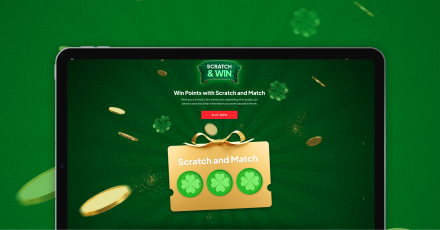
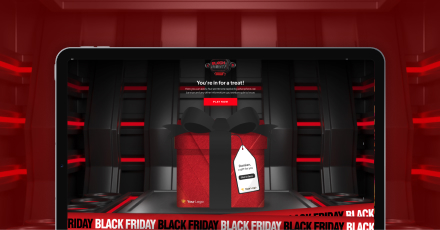
This can work well for training completion, onboarding completion, sales activation thresholds, campaign participation streaks, or category-specific goals. A simple Unwrap the Gift moment tied to an achievement can reinforce that the program notices progress, not just end-of-year totals.
That distinction matters. Many partner programs overemphasize the final output and underrecognize the steps that made it possible. Yet those steps often matter more for long-term engagement. A newly onboarded partner who completes training and launches their first campaign may be strategically more important than a dormant high-potential account receiving another generic seasonal greeting.
Milestone recognition also gives program managers more room to stay fair. Instead of concentrating all recognition on top performers, the campaign can acknowledge different kinds of valuable activity across the partner base.
This aligns with current marketing thinking around distinctiveness and attention. In HubSpot’s marketing trends coverage, the emphasis is on relevance, differentiation, and creating marketing that gives people a stronger reason to engage. That is just as true in partner communications as it is in customer campaigns. A milestone-based recognition mechanic is often more engaging than another standard “we appreciate your partnership” email because it is anchored in something concrete.
New-year kick-off bridges
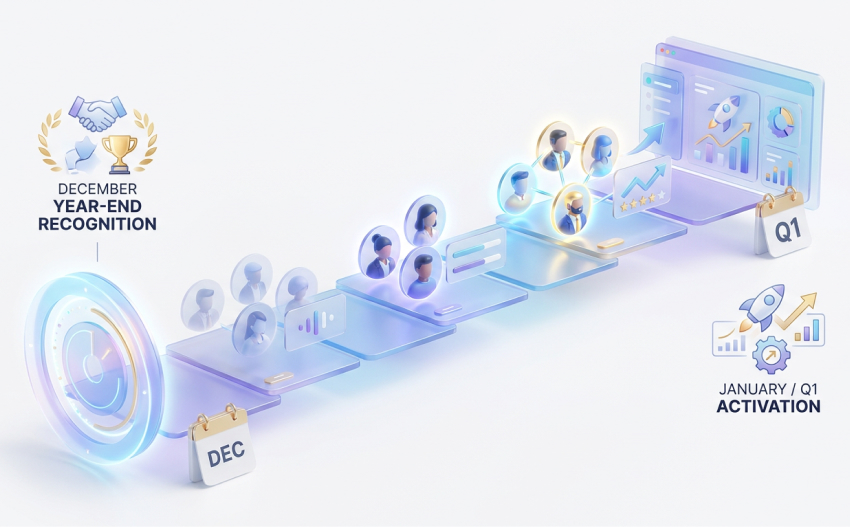
The best year-end recognition programs do not stop at thanks. They create a bridge into the next period.
That could mean a reward moment in December that unlocks a January activation incentive. It could mean a Scratch-Off experience tied to the completion of a first-quarter planning task. It could mean a year-end recognition message that routes eligible partners into an early Q1 campaign or onboarding sequence.
This is where recognition becomes more commercially useful. It moves from retrospective appreciation into forward motion.
Imagine a partner program with mixed engagement levels across a distribution network. One segment has been active all year. Another participated in campaigns but never completed training. Another has gone quiet. A single seasonal email treats those groups the same. A recognition sequence with a Q1 bridge lets the team respond more intelligently.
Active partners might receive a reward plus early access to a new-quarter initiative. Mid-engagement partners might receive recognition tied to a single next-step action. Quiet partners might get a lighter-touch re-entry prompt with a clear participation benefit.
That does not make the program more complicated for its own sake. It makes the year-end moment do more than close the books.
Operational guardrails and fulfillment planning
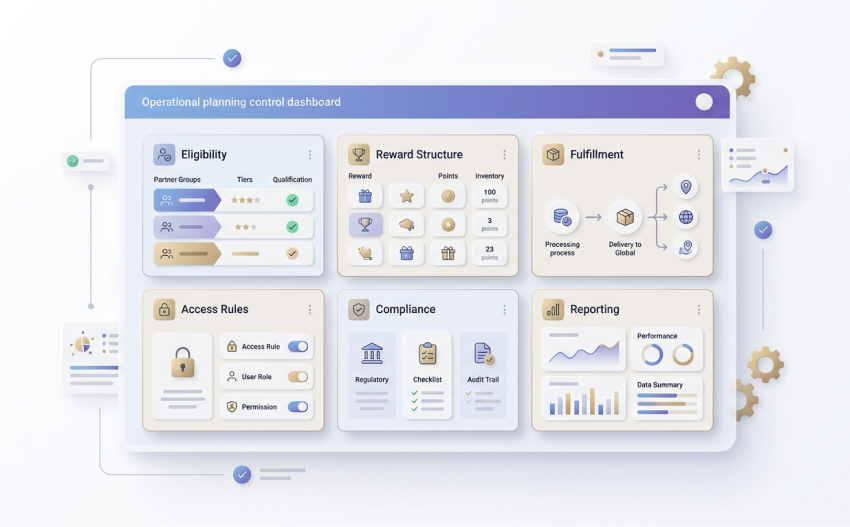
Recognition campaigns feel easy at the idea stage and harder at the execution stage. That is why the operational design matters as much as the creative concept.
Start with eligibility. Who qualifies, based on what behavior, and over what time period? If the rules are vague internally, the experience will feel vague externally.
Then move to the reward structure. Are all qualifying partners receiving the same outcome, or is the reward tiered? Is the reward fixed, or is there controlled variation? Can the team explain the logic simply if someone asks?
Fulfillment deserves equal attention. A partner recognition campaign is only as strong as the process behind it. If rewards are delayed, unclear, or hard to redeem, the emotional value of the moment drops quickly. The campaign should be designed around what the team can deliver cleanly, especially during a busy year-end window.
There is also a governance point. BeeLiked’s approved game formats used here are chance-based in functional terms, with outcomes controlled by configured odds and logic rather than real-world skill. Content should reflect that reality and avoid implying that skill determines who receives which prize. BeeLiked also positions these as marketing promotions rather than gambling products.
Because promotion-law rules vary by market, any legal or compliance considerations here are general information only, not legal advice. Brands should consult their own legal counsel before launch, particularly if a campaign spans multiple jurisdictions or includes chance-based rewards.
Where BeeLiked fits
BeeLiked fits when partner and channel teams want to deliver branded recognition and incentive experiences at scale without reducing the program to a static message or an operationally messy reward process. It is an interactive promotions platform that can support both public and private campaigns, including invite-only journeys for specific partner groups, with controlled reward logic, access rules, and campaign-level reporting.
For year-end partner recognition, that matters because the goal is usually broader than “send a reward.” The team may need to recognize contributions, segment the audience, control exposure, automate triggers from operational milestones, and make the experience feel branded and consistent with the wider partner program. BeeLiked can be used across partner, broker, and incentive journeys in that controlled, programmatic way, rather than as a disconnected seasonal stunt.
If security review is part of the buying process, then we’ve got you covered, as BeeLiked is ISO/IEC 27001:2022 and SOC 2 certified.
Decisions & next steps
If your year-end partner communication is shaping up to be another generic thank-you email, it is worth pausing before you send it.
The more useful path is to decide what the recognition moment needs to do. Should it reward participation, acknowledge milestones, re-engage quieter partners, or create momentum for Q1? Once that job is clear, the campaign design gets much easier.
For most partner teams, the practical next steps are straightforward. Identify the partner segments that matter most. Choose one or two behaviors worth recognizing. Match the reward structure to what you can fulfill cleanly. Keep the experience branded and simple. Make sure the rules are clear. Then use the year-end moment to open the door to a stronger start in the new year.
For partner and channel teams that want to automate branded incentive campaigns and stay top of mind with partners or sales channels, BeeLiked offers a practical way to create recognition experiences that feel more considered than another email and more scalable than a manual one-off process.