A lot of awareness activity still borrows the logic of conversion campaigns. The creative asks the audience to shop now, book now, Channel partner incentives are often built around the easiest outcome to count: revenue. That makes sense at quarter end, but it can leave a large part of partner behavior unmanaged, especially the actions that shape awareness, confidence, and preference before a deal is even active.
In complex distribution environments, the sale is rarely the first meaningful moment. Training, product recall, content engagement, campaign participation, and timely follow-up all happen earlier. Those upstream actions are what keep a brand visible and credible when a partner is deciding what to recommend, what to prioritize, and what to learn next.
60-second view
- Many channel programs reward the final transaction but under-reward the behaviors that create readiness and preference earlier in the buying cycle.
- That creates a gap between what leaders want partners to do and what the incentive design actually encourages.
- In more crowded partner ecosystems, staying top of mind depends on reinforcing small but important pre-sale actions, not just celebrating closed business.
- The best channel partner incentives encourage training completion, content engagement, and campaign participation without adding administrative overhead.
- BeeLiked helps brands create branded, automated incentive moments for partner and channel teams through interactive promotions and controlled reward experiences.
Why result-only incentives miss the full picture
A result-only model assumes the most important thing to reward is the sale itself. In channel sales, that is often too late.
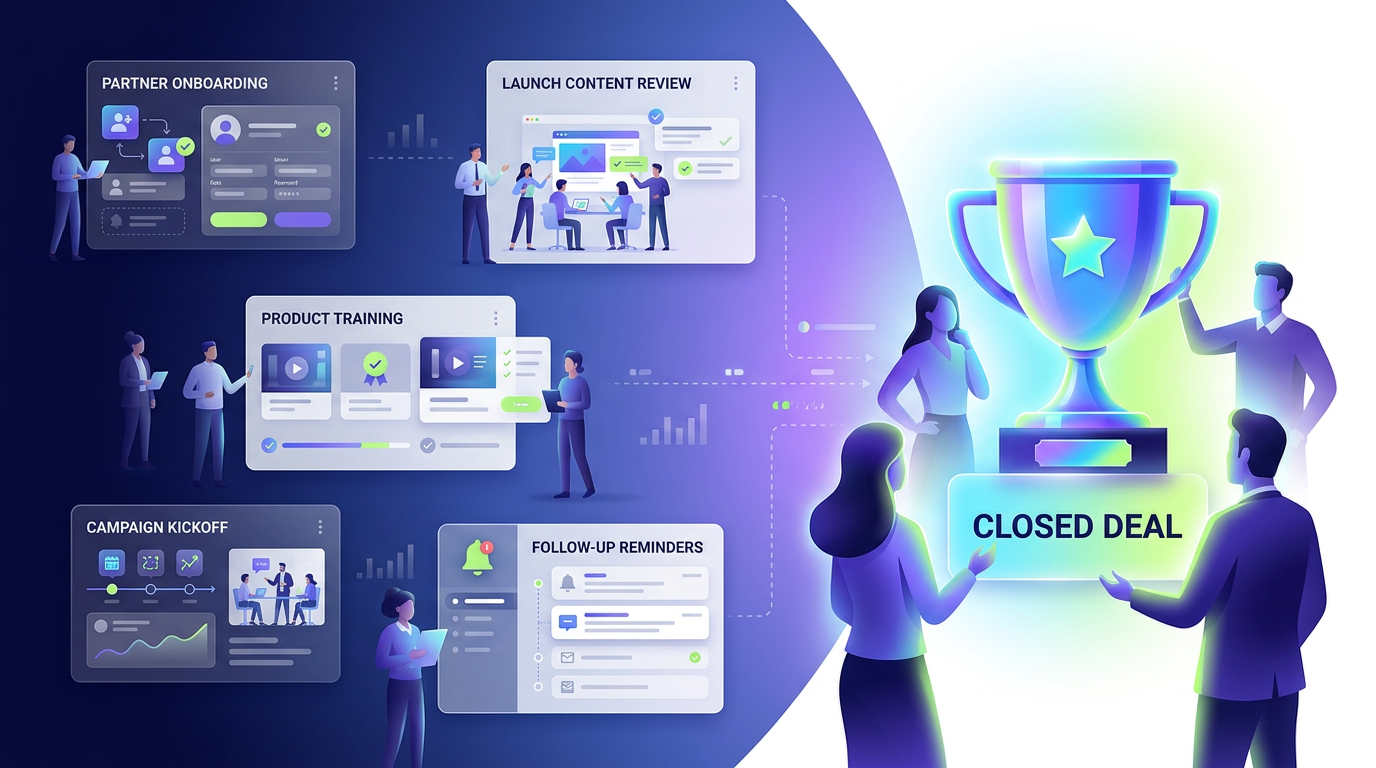
By the time a partner rep recommends one vendor over another, several smaller decisions have already happened. Did they complete onboarding? Did they notice the new proposition? Did they engage with launch content? Did they understand the use case well enough to position it confidently? Did they participate in the quarter-start campaign when attention was highest?
Those actions may look soft compared with revenue. They are not soft in commercial terms. They influence whether your brand is recalled, understood, and acted on when a real buyer conversation starts.
That matters more as partner ecosystems become larger and more complex. In Forrester’s 2025 view of partner ecosystems, B2B organizations are described as relying more heavily on partner ecosystems to meet customer expectations and growth goals. In that kind of environment, mindshare is not a vague marketing concept. It is a practical operating issue.
There is another problem with a result-only design. It tends to over-reward a narrow group: the partners who were already active, already informed, or already closest to conversion. That can make a program feel unfair to newer, smaller, or still-ramping partners whose most valuable contribution right now is movement, not volume.
A better model rewards the chain of behaviors that leads to revenue. Not every action deserves an incentive. But the right pre-sale behaviors can be encouraged in a way that sharpens attention and improves channel sales enablement without turning the program into a full sales-comp exercise.
Behaviours worth encouraging before purchase decisions
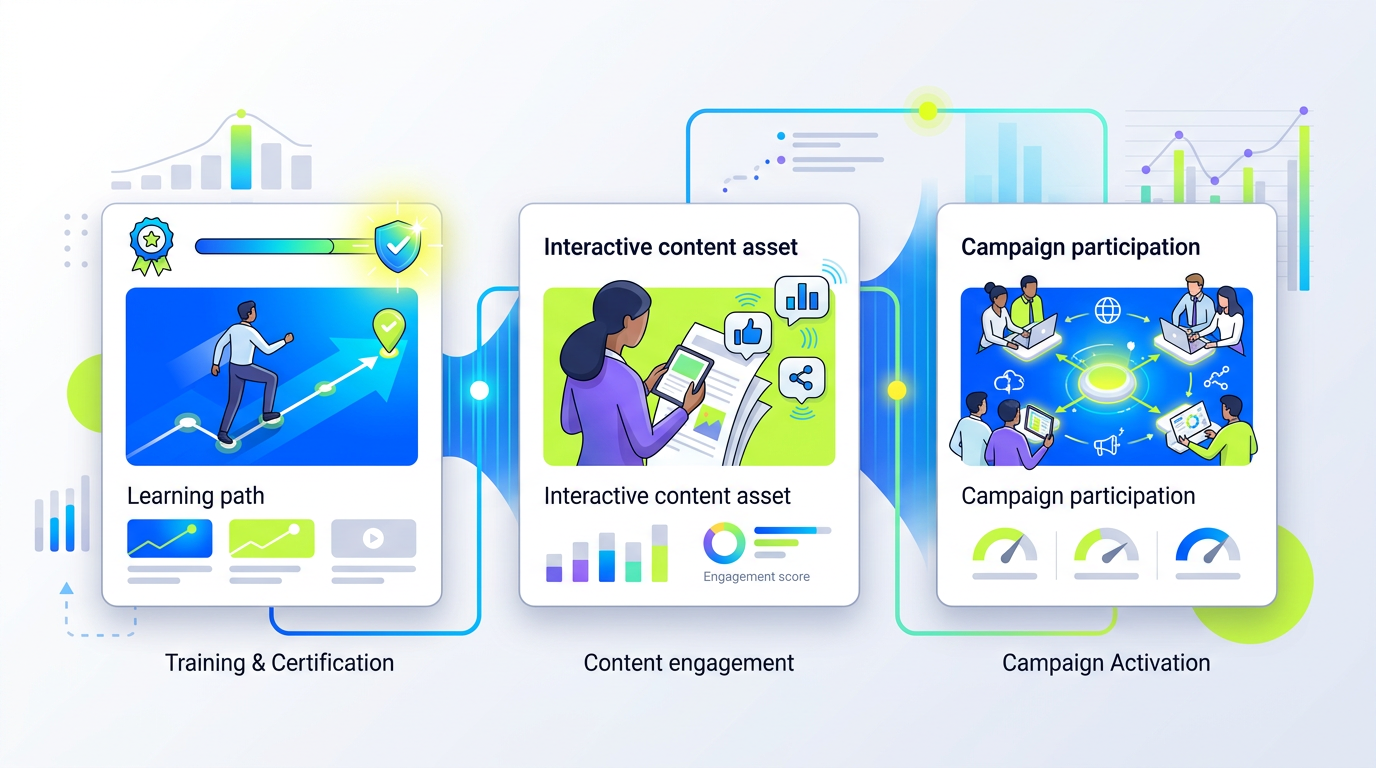
The most useful partner behavior incentives are tied to actions that increase the likelihood of future sales. They should be observable, commercially relevant, and simple enough to trigger without friction.
Training and certification
A partner cannot confidently recommend what they do not understand. That makes training one of the clearest upstream behaviors to reinforce.
This is not just about formal certification. It can include onboarding completion, product launch modules, new proposition briefings, or a short enablement path for a seasonal campaign. Salesforce’s explanation of partner enablement describes it as equipping partners with the tools, resources, and training needed to sell and support an offering. That sounds basic, but many channel teams still struggle to get consistent participation before they need partners to act.
A realistic example is a distributor launching a new-quarter push across several vendors. Instead of waiting to reward only downstream sales, the brand could reward completion of a launch module within the first two weeks. That early action matters because it improves product familiarity at the start of buyer conversations.
The reward does not need to be large. It needs to be timely and connected to the behavior.
Content engagement
Most partner content is published with good intentions and weak follow-through. A slide deck is uploaded. A campaign toolkit is shared. An email goes out. Then teams hope the right people notice it.
That is not a strong enough system for partner mindshare.
Useful content behaviors might include opening a launch asset, reviewing a pricing update, downloading a sales sheet, or engaging with a campaign brief within a certain time window. These are not vanity actions if they are tied to actual selling readiness.
This is where many brands overcomplicate things by trying to score every click. A better approach is to identify the few content moments that genuinely matter. For example, engaging with the new-quarter value proposition before the quarter starts is likely more important than consuming generic evergreen content three months later.
The same logic shows up more broadly in sales enablement. Salesforce’s sales enablement guidance frames enablement around content, coaching, training, and technology that help sellers improve and sell. In channel environments, those inputs often sit outside your direct control, so incentive design can help move them back into focus.
Product or campaign participation
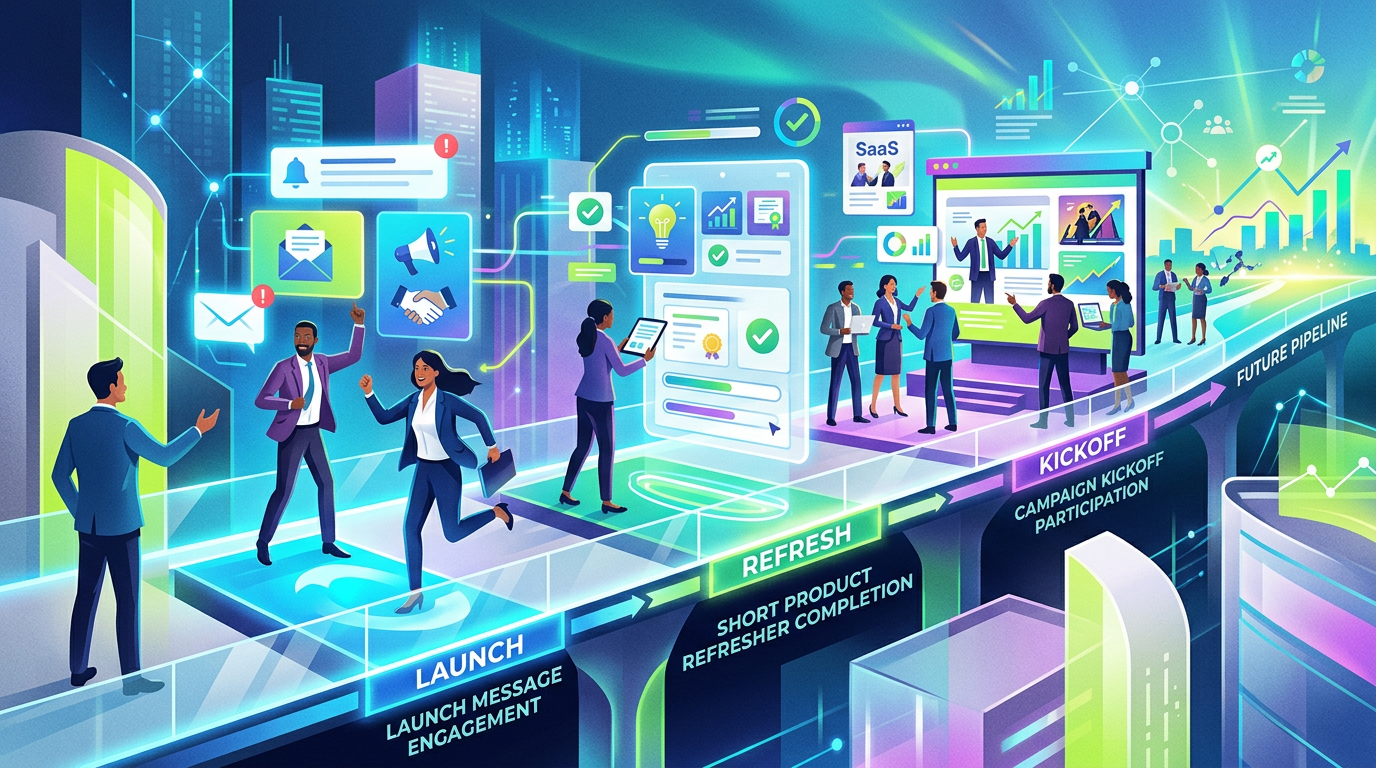
Some of the most valuable pre-sale behaviors are operational. Registering for a launch event. Joining a distributor campaign. Activating a co-branded asset pack. Taking part in an onboarding journey. Responding to a timed activation window at the start of a new quarter.
These behaviors matter because they signal momentum. They also help brands identify which partners are likely to convert attention into pipeline later.
Consider a new-quarter activation. A vendor wants resellers to prioritize a certain category for the next 90 days. Instead of pushing a single generic incentive based solely on end-of-quarter sales, the program can reward three earlier steps: engaging with the launch message, completing the short product refresher, and participating in the campaign kickoff. That creates a more realistic bridge between enablement and revenue.
It also aligns with how modern marketing teams are thinking more broadly about relevance and coordination. Salesforce’s Tenth State of Marketing surveyed 4,450 marketers, and the associated analysis highlights how operationalizing new approaches remains a central challenge. In practice, channel teams feel that same pressure: not just to produce campaigns, but to get the right people to act on them at the right moment.
Designing rewards without overcomplicating the program
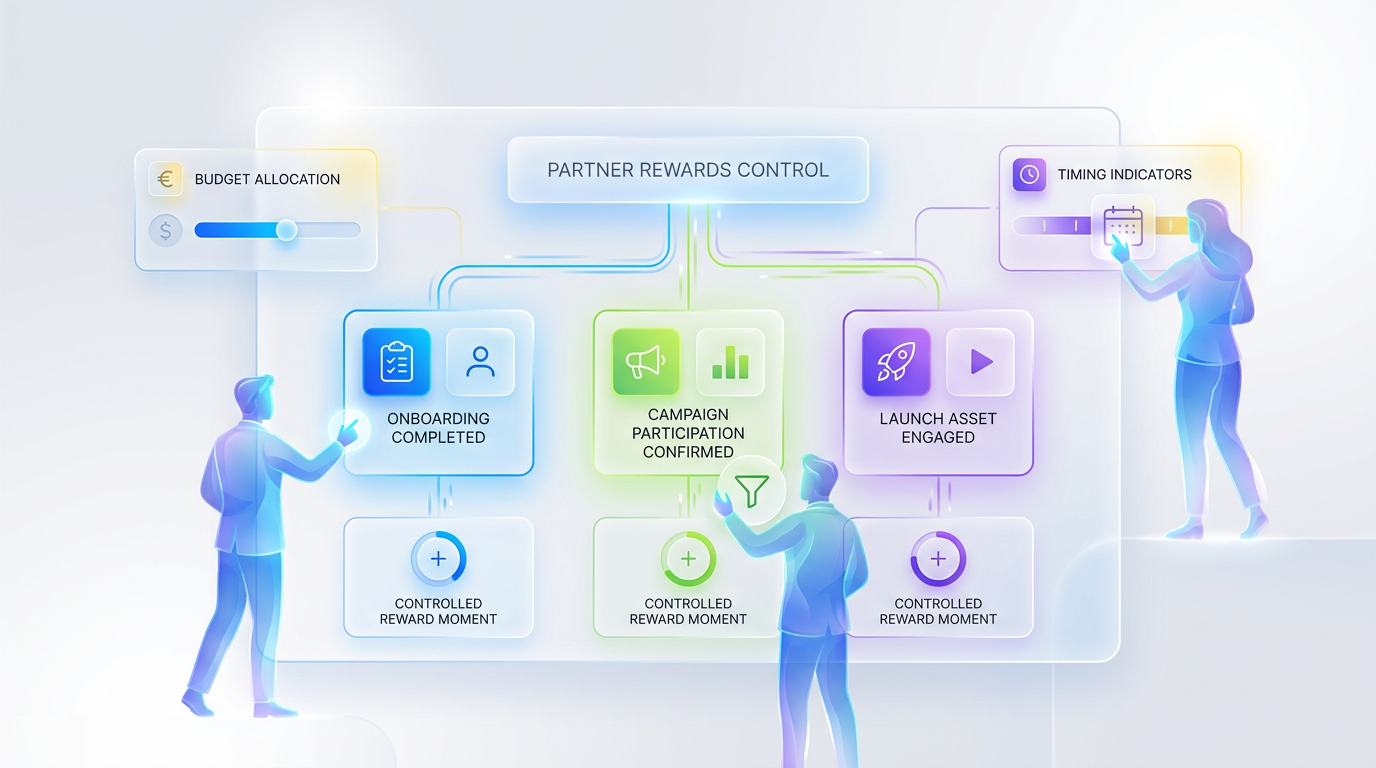
This is the point where some channel programs go wrong. They recognize the value of pre-sale behaviors, then try to reward everything.
That usually creates noise. Partners stop understanding what matters. Admin teams inherit too many exceptions. Measurement becomes messy. The program starts to feel clever rather than useful.
A better design is narrow and deliberate.
Choose a small set of behaviors that clearly support partner readiness. Link each one to a simple reward moment. Keep the rules visible. Make the timing immediate enough that the connection is obvious.
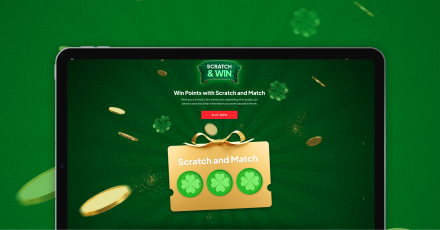
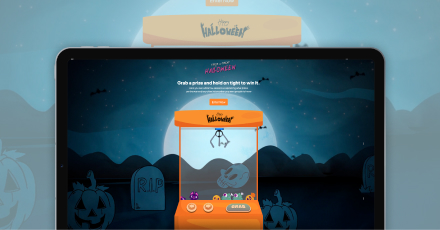
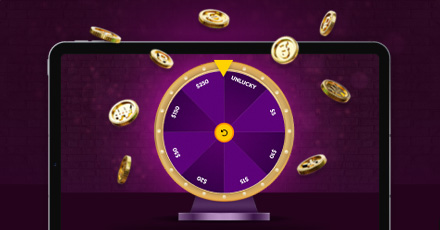
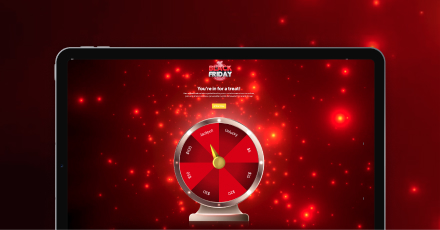
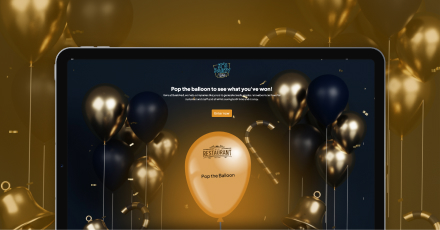
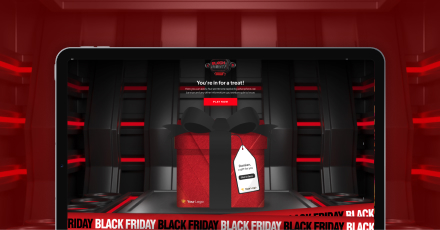
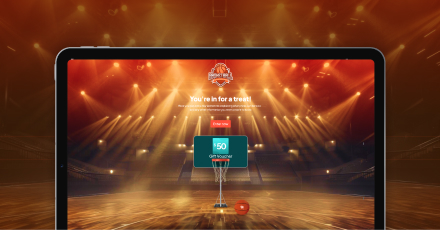
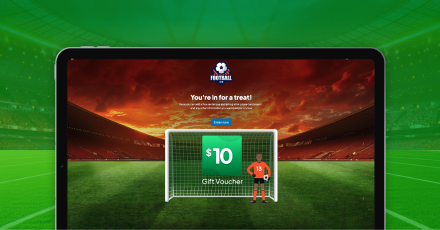
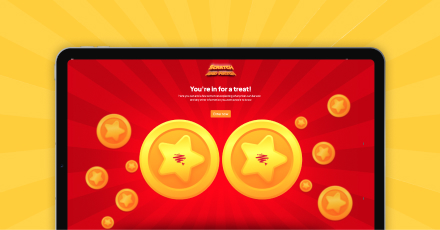
For example, a short onboarding path might unlock a chance to win through Mystery Envelope. A campaign participation prompt could use Grabber to create a lightweight reward moment after a defined action is confirmed. A quarter-start awareness push might use Digital Spin Wheel once a partner engages with the launch asset or completes a product refresher.
The point is not novelty for its own sake. The point is to turn a forgettable enablement step into a moment that feels noticed.
There are a few practical guardrails worth keeping in place:
Reward behaviors that are genuinely upstream to revenue, not random activity.
Keep rewards proportionate to the action.
Segment by partner type or role where needed.
Use clear eligibility and budget controls.
Treat legal and promotion-law questions as program design inputs, not afterthoughts.
For legal or promotion-law points, this should be treated as general information rather than legal advice. Rules vary by market and structure, so brands should consult their own legal counsel before launching any promotion or rewards program.
What to measure for mindshare and momentum
If the objective is pre-sale behavior, the measurement model has to move beyond closed revenue alone.
Start with participation. Which partner groups are engaging with the intended action? Then look at depth. Are they completing the onboarding step, consuming the priority content, or joining the campaign in the time window that matters?
After that, look for movement indicators that suggest growing preference or readiness. This might include faster onboarding completion, higher campaign activation rates, better training uptake, or stronger follow-through on launch priorities.
You can also compare behavior across cohorts. Do partners who complete an onboarding flow engage more consistently with later campaigns? Do teams that interact with priority content early show stronger participation in downstream programs? Those are often more useful questions than asking whether a single reward mechanic “worked.”
This matters because mindshare is rarely visible in one metric. It is visible in momentum. The signal is not just whether someone sold. It is whether they moved closer to selling.
Where BeeLiked fits
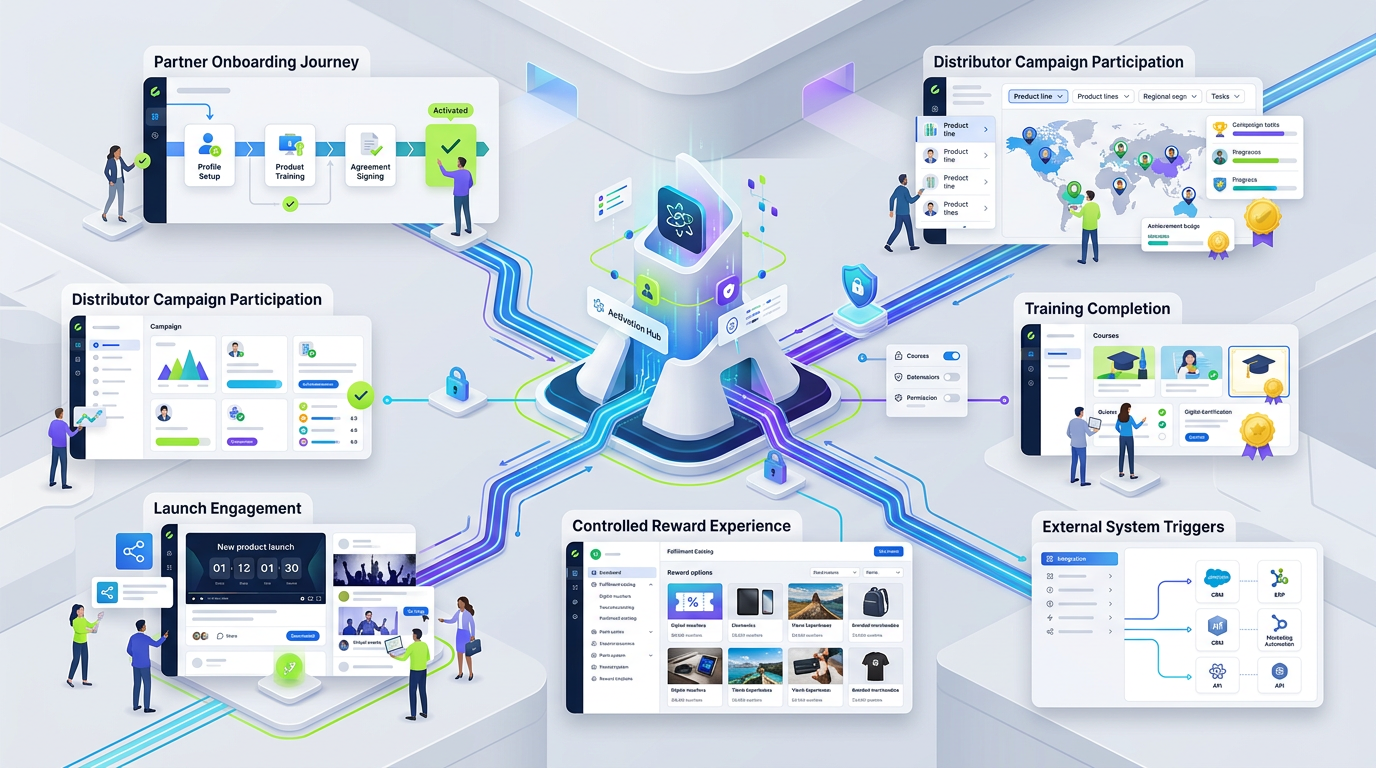
BeeLiked fits as a practical way to create branded, automated incentive moments around the behaviors that happen before the sale.
That could mean a reward experience tied to partner onboarding, a triggered campaign for distributor participation, or a simple mechanism for reinforcing training completion and launch engagement across a channel audience. The role is not to replace a PRM or become a full sales-comp system. It is to help channel teams turn important but easy-to-ignore partner actions into visible, trackable moments.
That is useful when a brand wants more than another reminder email but less than a heavy operational rebuild.
BeeLiked can support public and private, invite-only campaigns, with controlled rewards, configurable eligibility, and automated journeys triggered by external systems. For teams handling partner data and governance, BeeLiked is ISO/IEC 27001:2022 and SOC 2 certified.
The commercial value is straightforward. If your partners are more familiar with the proposition, more engaged with campaign content, and more likely to act at the right time, your brand is better positioned before the buying moment arrives.
Decisions & next steps
If your current channel partner incentives focus mainly on closed outcomes, the first decision is whether that model reflects how partner preference is actually built in your business.
Audit the pre-sale behaviors that matter most. Identify the two or three actions that genuinely improve readiness, recall, or campaign participation. Check whether those actions are currently encouraged, ignored, or buried inside generic enablement.
Then design a small pilot. One onboarding behavior. One campaign participation trigger. One quarter-start activation. Tie each action to a clear reward moment and measure participation, timing, and downstream movement.
Keep the structure simple enough to run, explain, and repeat.
For partner and channel teams that want to stay top of mind with distributors, resellers, or brokers, BeeLiked offers a practical way to automate branded incentive campaigns focused on behaviors that build preference before the sale, not just the results recorded afterward.