Channel partner incentives remain one of the most effective ways to strengthen performance across reseller networks, distributors, and internal sales teams. When those incentives involve games of chance, such as sweepstakes or instant-win rewards, legal uncertainty often causes hesitation. Marketers begin to question whether these tactics are permitted in a B2B context, whether consumer sweepstakes laws apply, and whether high-value prizes introduce additional risk.
These concerns often lead teams to default to safer but less engaging reward models. While discounts, sales bonuses, and point-based systems can deliver results, they rarely spark the same level of attention or participation that a well-structured chance-based promotion can generate. The hesitation is understandable; no brand wants to face legal challenges, but in many cases, it stems from misconceptions rather than actual restrictions.
The reality is that promotions aimed at business partners are subject to a different set of rules compared to those open to the general public. With the right structure, these promotions meet legal requirements and build excitement that drives ongoing participation. For marketing teams exploring how to incentivize channel partners without compromising legal compliance, clarity around the regulations is essential. This article outlines what is and is not allowed, and how to structure legally sound B2B promotions using games of chance.
Why Games of Chance Are Underused in Channel Partner Incentives

Many marketing teams rely on discount structures, point-based systems, or tiered bonuses to motivate partners. These approaches are familiar and relatively easy to implement, but they are not always effective in sustaining engagement. Games of chance offer a more dynamic alternative, introducing unpredictability and excitement into the reward process. However, they remain noticeably underused in B2B settings.
The reason often comes down to legal hesitation. While games of chance are common in consumer promotions, using them in partner-facing campaigns tends to raise concerns. Questions about sweepstakes regulations, prize value limits, and eligibility requirements frequently halt a campaign before it begins. This caution is understandable, but it is not always necessary. Well-structured sweepstakes and instant-win campaigns can meet all legal requirements in B2B settings. Understanding the legal distinctions is the first step toward using these tactics with confidence.
Understanding the Legal Framework for B2B Sweepstakes and Channel Partner Incentives
Most sweepstakes rules were written to protect consumers, not partners. That distinction matters for channel partner incentives. A private, free-to-enter, and limited-to-a-defined-business-group campaign is typically treated differently from a public consumer promotion. A sweepstakes avoids legal classification as a lottery by removing that third element, which is why free-to-enter contests remain lawful in most jurisdictions, according to Brandmovers’ sweepstakes guidelines.
Private vs. Public Promotions
Public, consumer-facing promotions trigger stricter requirements because anyone can enter. A B2B campaign that is invite-only, not publicly advertised, and restricted to approved partners generally sits outside those consumer-focused rules. Channel partner incentives should be accessed through controlled channels rather than open landing pages.
The Role of “Consideration” in How to Incentivize Channel Partners
A lottery requires a prize, a chance, and consideration. Remove consideration, and you avoid lottery classification. Teams designing channel partner incentives should ensure entry is free and unrelated to purchases, payments, or activities that might be viewed as giving value in return.
State Hotspots: Florida, New York, Rhode Island, and Washington
Some states require bonding and registration for public promotions above certain prize thresholds, often $5,000 or more. Those rules are aimed at consumer audiences. A private B2B sweepstakes that is not publicly promoted typically does not trigger these obligations. Washington State is sometimes flagged for games of chance; the focus there is whether consideration exists. If entry is free, the program generally avoids lottery treatment. These distinctions are reinforced in US Sweeps best practices for B2B programs.
Why Most B2B Programs Are Exempt
When channel partner incentives are private, free to enter, and limited to a defined group, the framework that governs consumer promotions usually does not apply. In practice, compliance depends on access, intent, and structure rather than prize size alone.
Common Legal Misconceptions About Channel Partner Incentives
Uncertainty about legal requirements often leads teams to avoid using games of chance in channel partner incentives. Many of these concerns come from outdated assumptions or a misunderstanding of the distinction between public consumer sweepstakes and private B2B campaigns. Here are three of the most common misconceptions, along with the facts.
Misconception 1: There is a $5,000 limit on weekly prizes
The belief that prize values must remain below $5,000 comes from state rules for public sweepstakes, such as those in Florida, New York, and Rhode Island. These regulations require registration and bonding when prize pools exceed certain thresholds, but they apply to consumer promotions, not private B2B campaigns. If the promotion is invite-only, not publicly advertised, and free to enter, the prize amount does not trigger these obligations.
Misconception 2: Games of chance are prohibited in B2B promotions
Marketers sometimes avoid sweepstakes or instant-win formats due to fears they may be considered illegal lotteries. Under U.S. law, a lottery requires three elements: prize, chance, and consideration. If there is no consideration, meaning no payment, purchase, or required performance to enter, the promotion is generally lawful. Organizations looking to incentivize channel partners can reduce legal risk by ensuring that entry is always free.
Misconception 3: Legal bonding is always necessary
Bonding and registration are only required in specific jurisdictions and only when certain conditions are met, typically when a public promotion exceeds a prize value threshold. In a private, invite-only B2B campaign, these requirements usually do not apply. The deciding factors are how the promotion is structured, who can access it, and whether it is visible to the public.
Clearing up these misconceptions allows marketing teams to design channel partner incentives that are both engaging and compliant. With a firm understanding of the rules, there is greater freedom to create campaigns that combine creativity with legal certainty.
How to Structure Channel Partner Incentives Using Games of Chance, Legally
Using games of chance in channel partner incentives is entirely possible, but only if the structure is legally sound. While the regulations around public sweepstakes are well known, many marketers are unsure how to incentivize channel partners in a way that includes random rewards without breaching legal boundaries. The following principles can help ensure your campaign is compliant, effective, and ready to scale.
1. Keep Access Private and Controlled
The most important legal distinction is whether the promotion is public or private. To qualify as a private incentive program, access must be restricted to a clearly defined group, such as resellers, regional distributors, or internal sales teams. Public-facing sweepstakes are subject to more complex requirements, including registration and bonding in some states.
Controlled access points, such as gated partner portals or one-time use codes, help reinforce that the campaign is not open to the general public. This is a critical first step in making games of chance legally viable in B2B environments.
2. Eliminate Consideration from the Entry Process
As stated before, a lottery involves a prize, chance, and consideration. By removing consideration, meaning payment, purchase, or required performance, you avoid turning your promotion into a lottery.
To keep your channel partner incentives compliant, ensure entry is free and not dependent on sales achievements or participation in other activities. This does not prevent you from recognizing performance elsewhere in the program, but entry itself must remain unconditional.
3. Define Who Is Eligible, and Who Is Not
When considering how to incentivize channel partners without legal complications, eligibility is often overlooked. Every sweepstakes or instant-win campaign should include clear terms stating who can participate. This helps demonstrate that the campaign is private and protects your organization from confusion or disputes.
Eligibility criteria should include partner type (e.g., approved vendors), geography, age limits, and any restrictions for employees or affiliated parties. The more clearly this is defined, the stronger your legal position.
4. Do Not Promote the Campaign Publicly
A private incentive campaign promoted on public channels can unintentionally become a public one, along with all the legal obligations that come with it. Avoid announcing the program on your website, social channels, or general press releases.
Instead, share details through controlled communication channels such as email, internal dashboards, or secured login environments. Avoid phrasing that implies the promotion is open to new or unverified entrants.
5. Always Include Terms and Conditions
Even when registration and bonding are not required, written terms are essential. They clarify prize structures, entry windows, how winners are selected, and what participants can expect. This is especially important if multiple games of chance are involved (e.g., daily instant wins combined with a monthly prize draw).
Bringing Clarity to Channel Partner Incentives

Games of chance can play a valuable role in well-designed channel partner incentives, provided the campaign is structured with legal clarity from the outset. The legal concerns that often prevent teams from using these mechanics are based more on misconceptions than actual restrictions. In most cases, the law does not prohibit sweepstakes or instant-win formats in B2B promotions; it simply requires that they are private, free to enter, and clearly defined.
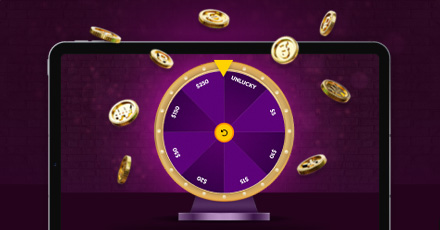
When these conditions are met, marketers have far more room to innovate than they might expect. A spin-to-win draw for hitting training milestones, an instant-win game for completing product demos, or a quarterly prize draw tied to engagement metrics can all be designed in compliance with U.S. regulations. The key is keeping access controlled, removing any form of consideration, and making eligibility and prize structures transparent from the start.
Knowing how to incentivize channel partners within these parameters allows for more engaging and flexible campaigns. Whether you are aiming to boost short-term activity or build lasting loyalty, incorporating chance-based rewards can help strengthen motivation across your partner network while giving participants a reason to return and stay active.With the right structure and legal awareness in place, it is possible to offer meaningful incentives that capture attention, maintain compliance, and deliver measurable results. To explore how games of chance could work in your next partner campaign, contact BeeLiked for a tailored consultation.