Channel partner engagement is the ongoing work of keeping distributors, resellers, and partner sellers informed, motivated, and ready to act, not just during launches, but in the quieter periods in between. Those quieter periods matter because that is when attention drifts, competing vendors gain mindshare, and once-promising plans become background noise.
60-second view
- Partner attention often drops between launches because most channel activity is still organized around big moments, quarterly pushes, and urgent sales asks.
- That creates a visibility gap. If your brand only shows up when it wants something, partners are more likely to default to whichever vendor is easiest to remember, explain, and promote.
- The practical answer is not more email. It is a lighter, repeatable cadence of branded interactive promotions and incentives that give partners a reason to engage without adding manual work.
- Strong between-launch programs usually reward useful behaviors, such as completing a knowledge refresh, joining a category push, or activating a new-quarter plan, rather than waiting only for end results.
- BeeLiked fits here as a platform for branded interactive incentive campaigns that can help partner and channel teams automate ongoing engagement across partner journeys.
Many partner programs are active in bursts. There is noise before a launch, pressure at quarter end, and then a long, quiet stretch where content sits unread, training waits for “when things slow down,” and distributors focus on whichever brands are currently making it easiest to sell.
That is a problem because partner ecosystems are not getting simpler. In Forrester’s 2025 view of partner ecosystems, a majority of B2B partner ecosystem and channel marketing decision-makers expect their ecosystems to expand, with growth expected across partner types. The same research also points to expected growth in both indirect revenue and partner-influenced revenue. In other words, partners matter more, not less, and the cost of going quiet is rising. Forrester’s 2025 partner ecosystem outlook
Why partner attention fades between major pushes
Most channel teams do not lose partner engagement because the strategy is wrong. They lose it because the operating rhythm is too narrow.
The typical pattern is familiar. A vendor launches a product, runs webinars, shares decks, funds a burst of co-marketing, and asks the channel to lean in. Then the activity drops away. The next communication is usually another request: promote this offer, finish that training, move this inventory, register that deal.
From the partner’s side, the experience feels fragmented. They are juggling multiple vendors, internal targets, and their own margin realities. If your brand disappears for six weeks and returns with a new ask, you are not competing on relationship quality alone. You are competing on memory, convenience, and perceived value.
That matters because B2B buyers and sellers now expect smoother digital experiences across the journey, not just better human relationships. McKinsey’s 2024 B2B Pulse Survey found that customers continue to want a mix of in-person, remote, and digital self-serve interactions, and described a “rule of thirds” across buying stages. More recent McKinsey research also argues that the quality and reliability of digital journeys are becoming a swing factor in channel choice. McKinsey’s 2024 B2B Pulse Survey and McKinsey on channel choice and digital experience
For partner teams, that means the “in-between” periods are not dead time. They are part of the experience. If your between-launch engagement feels flat, inconsistent, or hard to act on, your program starts to feel optional.
The case for lightweight, repeatable incentive touchpoints
This is where many partner programs overcorrect. They assume the answer is a bigger campaign calendar, more content, or heavier admin. Usually, it is the opposite.
Between launches, what works best is often something small, consistent, and easy to join. Not a major channel event. Not a complicated contest. Just a clear value exchange that gives the partner a reason to pay attention now.
That could be a short knowledge refresh tied to an instant reward. It could be a category spotlight that encourages sellers to re-engage with a product family that has gone quiet. It could be a new-quarter activation incentive that turns planning into participation. The point is not to manufacture excitement for its own sake. The point is to create frequent, low-friction moments that keep your brand commercially relevant.
That approach also aligns with wider marketing pressure. Salesforce’s Tenth Edition State of Marketing reports that 83% of marketers recognize the shift toward personalized, two-way messaging, yet only 25% are satisfied with how they use data to power those moments. The implication for channel teams is straightforward: static broadcast communication is losing ground to experiences that feel more timely, relevant, and participatory. Salesforce’s Tenth Edition State of Marketing
There is also an enablement angle here. Forrester’s work on partner sales effectiveness argues that high-performing partner account teams invest in better training, co-marketing alignment, and regular operating rhythms that maintain momentum rather than simply report numbers. Between-launch engagement should support that momentum. It should not be a distraction from it. Forrester on partner sales effectiveness
Campaign ideas that work between launches
The right campaign is usually the one that reinforces an existing priority without creating a new administrative project.
Knowledge refresh rewards
A common between-launch problem is information decay. Partners complete onboarding or launch training, then move on. Six weeks later, your message is no longer sharp, especially if a seller handles several adjacent categories.
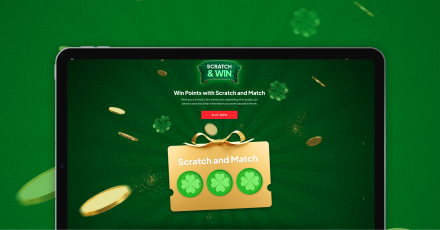
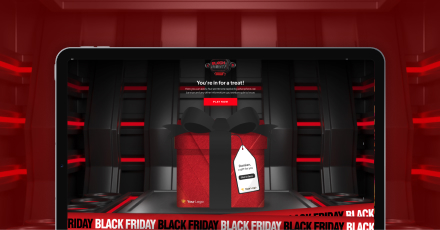
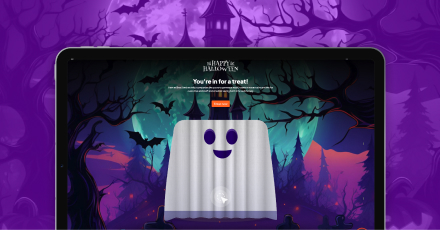
A lightweight knowledge-refresh campaign can address that without turning into a major training program. For example, after a partner completes a short update module or downloads the latest sales asset, they gain access to a branded reward moment, such as a Mystery Envelope. The reward does not need to be large. The value is in reinforcing the habit and giving the partner a clear reason to act now.
This works especially well for onboarding cohorts, newly recruited distributors, or product-line updates where the business need is recall and readiness, not deep certification.
New-quarter kickoff incentives
Quarter transitions are usually operationally messy. Priorities change, budgets reset, and partner teams are asked to refocus quickly. That makes the start of a quarter a useful moment for a simple activation campaign.
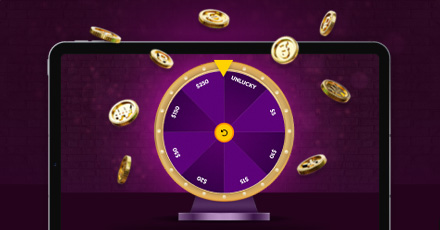
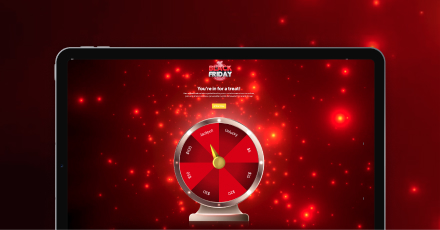
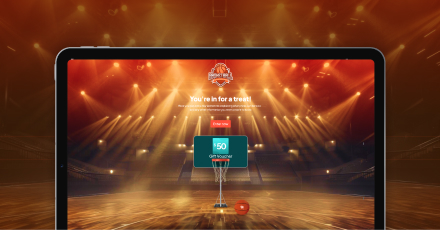
A practical model is to reward the first useful action in the new period: updating a plan, confirming participation in a campaign, registering target accounts, or opting into a distributor push. A Digital Spin Wheel can work well here because it creates a clear, immediate interaction around a low-friction action.
The commercial benefit is less about the reward itself and more about reducing the start-up lag that often slows quarter-one or quarter-start execution.
Category spotlight campaigns
Between major launches, category lines often lose visibility even when they remain strategically important. A category spotlight campaign gives channel teams a way to bring a product family or solution area back into focus without pretending it is a full launch.
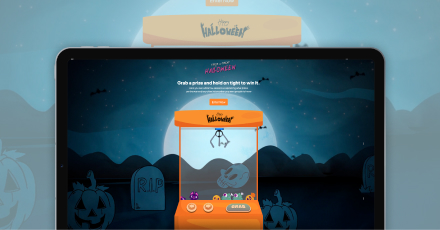
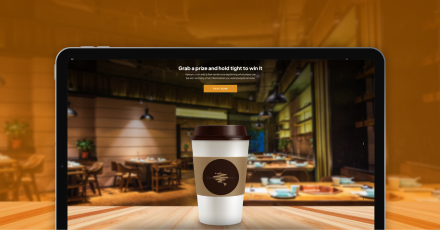
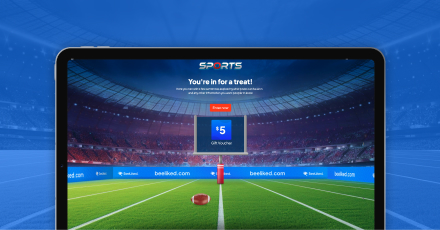
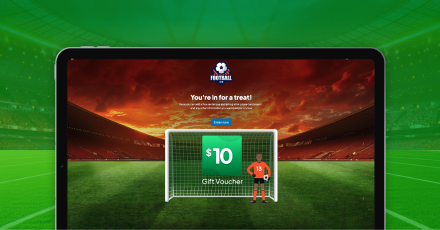
For example, a distributor campaign might highlight one under-promoted category for a two-week window, with rewards tied to actions such as downloading updated materials, joining a campaign pack, or activating a store or reseller placement. A Grabber can add a memorable, branded interaction without requiring the partner to commit to a long process.
This approach is often more effective than a passive content push because it gives the partner a reason to stop, engage, and complete a defined next step.
Automation and operational simplicity
The obvious objection is admin burden. Channel teams already manage enough moving parts, and no one wants a between-launch engagement plan that creates more manual work than it saves.
That is why always-on partner incentives need operational discipline. The strongest programs use simple triggers, clear eligibility rules, and a limited set of repeatable mechanics. One campaign for onboarding refresh. One for new-quarter activation. One for category spotlights. Not a fresh build every time.
In practice, this can mean connecting a partner action in your existing workflow to a branded reward experience. A training completion, a confirmed participation status, or a CRM status change can trigger the right campaign at the right time. BeeLiked can support this kind of automated journey through API and Zapier-supported workflow connections, along with access controls, eligibility logic, and reward controls for private partner campaigns.
There is also a governance point. If your program includes prizes, eligibility criteria, or regional promotion rules, treat this as general information rather than legal advice. Your legal and compliance teams should review terms, disclosures, and jurisdiction-specific requirements before launch. For partner incentives, especially across markets, that step matters.
What to measure
If the goal is channel partner engagement, open rates alone are not enough.
Start with the participation rate. Are partners actually entering, playing, or completing the intended action? Then look at completion quality. Did they just show up, or did they finish the training, activate the campaign, or update the relevant information?
After that, measure operational outcomes that matter to the partner program lead. Those might include:
- training completion or refresh rate
- campaign participation by distributor or partner segment
- time-to-activation for new-quarter initiatives
- repeat participation across multiple touchpoints
- category engagement lift in the periods between launches
The most useful view is often comparative. Which touchpoints keep participation steady between major commercial events? Which partner segments respond more to lightweight rewards than to heavier enablement? Which actions actually correlate with downstream pipeline, distributor activity, or sales readiness?
That is a more realistic way to evaluate partner incentives than chasing a single headline ROI figure.
Where BeeLiked fits
BeeLiked fits this problem as an interactive promotions platform for branded incentive campaigns that can support both public and private, invite-only engagement journeys, including partner and channel use cases. It is best understood as a way to make repeatable partner touchpoints easier to launch, control, and measure, rather than as a replacement for your PRM, CRM, or broader channel program.
For partner teams trying to stay visible between launches, BeeLiked can help operationalize light-touch campaigns for training refresh, new-quarter activation, and category participation. It can support controlled rewards, configurable odds, branded creative, reporting, and workflow-driven execution, while allowing teams to keep the experience on-brand and repeatable.
Where governance matters, we’ve got you covered as BeeLiked is ISO/IEC 27001:2022 and SOC 2 certified
For channel and partner leaders who want to stay top of mind with distributors, resellers, or partner sellers between major launches, the practical opportunity is simple: use branded incentive moments to keep engagement moving without turning every interaction into a campaign project.
Decisions & next steps
If partner engagement currently spikes around launches and fades in between, start by auditing the quiet periods in your program calendar. Where does attention drop? Where do partners stop hearing from you unless there is an immediate sales ask?
Then choose one between-launch use case that is easy to operationalize. That might be an onboarding refresh, a new-quarter kickoff, or a category spotlight. Keep the action simple, the reward controlled, and the operational path clear.
Next, decide which behaviors you actually want to reinforce. Do not reward everything. Reward the few actions that improve readiness, visibility, or partner participation in measurable ways.
Finally, build for repeatability. The strongest channel partner engagement programs are not louder. They are more consistent. They create small, useful moments that help partners stay informed, motivated, and ready to act even when there is no major launch on the calendar.