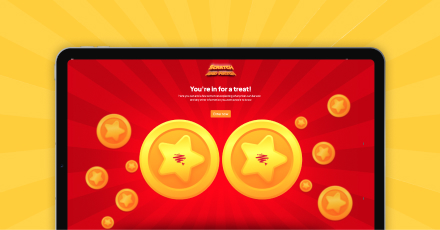
From coffee apps to mobile games, virtual currencies have become a go-to tactic for engaging customers. Whether you call them coins, stars, tokens, or points, these digital rewards can be powerful—but only if used correctly.
What marketers need to understand is this: when are virtual coins part of a loyalty program, and when do they turn your campaign into a regulated sweepstakes or worse, an illegal lottery? This article unpacks where the legal line is drawn, focusing on US law with a look at international rules in key markets.
What Are Virtual Coins in Marketing Promotions?
Virtual coins (also known as tokens or points) are digital units awarded for customer actions such as:
- Making a purchase
- Logging in or completing a profile
- Referring a friend or interacting with content
These coins might be:
- Redeemed for guaranteed rewards (like a free drink or discount)
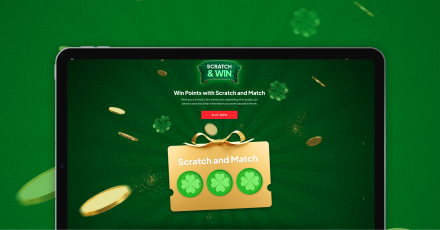
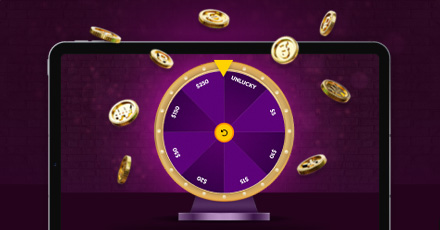
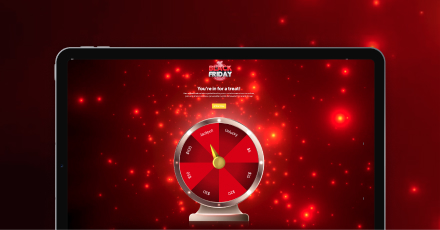
- Used to enter a game of chance (spin wheels, prize draws, or scratch cards)
- Purchased directly as part of an in-app or online experience
How the coins are used—and how they’re earned—determines what legal rules apply.
Loyalty vs. Sweepstakes: The Legal Distinction
Loyalty Coins: Earn and Redeem for Guaranteed Rewards
If your coins are:
- Earned through customer activity
- Redeemable only for fixed, guaranteed items
- Never used for random draws or chance-based prizes
Then your program is treated as a loyalty promotion, not a sweepstakes or lottery. This type of system does not require a free Alternative Method of Entry (AMOE) and is legal to run in the US and most international markets.
Virtual Coins Used for Games of Chance
If your coins are used to access a sweepstakes or a game with a random outcome—and:
- Players can only get coins through purchases
- There’s no free and fair way to earn or claim coins
- The prize pool is limited to those who have paid
Then your promotion likely qualifies as an illegal lottery, unless you add a valid AMOE.
To stay compliant, you must allow users to receive coins for free, without a purchase, and with the same chance of winning as paid users. That free path needs to be clearly offered, not buried in fine print or hidden behind multiple steps.
What the Experts Say
“The moment you require someone to pay or make a purchase in order to get coins to enter a random drawing, you’re walking into lottery territory. To stay compliant, you must offer coins or entry for free in a meaningful way and the odds of winning can’t change based on whether someone paid or not.”
Allison Fitzpatrick, Partner, Davis+Gilbert LLP
Quick Reference: When Virtual Coins Trigger Legal Risk
| Coin Use | Can Coins Be Sold? | AMOE Required? | Triggers Gambling Rules? |
| Redeem for guaranteed rewards only | Yes | No | No |
| Used to enter a sweepstakes or game of chance | Only if AMOE exists | Yes | Yes |
Why “Free Means Free” Under US Law
Gambling law focuses on three elements: prize, chance, and consideration. If all three are present, your promotion may be regulated as a lottery. Consideration doesn’t just mean money—it includes time, effort, or any form of value exchanged to enter.
If coins are available only through payment, you’re requiring consideration. But if users can:
- Earn coins by logging in
- Request them for free through a clear, simple process
- Use free coins to enter the same promotions as paid coins
Then your campaign is likely compliant. Importantly, free coins must offer the same experience—no reduced odds or delayed entry.
Case Studies
Starbucks Rewards
Customers earn “Stars” by making purchases or participating in limited-time offers. Stars can be redeemed for guaranteed menu items. There’s no randomness, no sweepstakes, and no gambling concerns.
McDonald’s Monopoly (US version)
Customers earn game tokens by purchase, but McDonald’s also provides a mail-in AMOE option. This keeps the promotion legal by offering a free, equally weighted entry path.
Coin-Based Sweepstakes Apps
Some mobile apps have faced legal scrutiny for offering coins only through in-app purchases, then requiring them to enter prize games. When these platforms added daily free coins or login bonuses, they moved into safer legal territory—assuming the free method is real and unrestricted.
International Views
United Kingdom
Coins used to access chance-based games must follow prize draw rules. A free entry option is required to avoid gambling classification. Loyalty-only coins for guaranteed rewards do not fall under gambling regulation.
European Union
EU consumer protection rules treat earn-and-redeem systems as loyalty programs. Games of chance involving purchase-only coins can be problematic unless free access is offered.
Australia
Trade promotion lotteries must include free entry options. Loyalty coin systems without chance elements are allowed and unregulated.
Canada
Every sweepstakes must allow free entry, even if coins are involved. Loyalty points for guaranteed redemption are not classified as gambling.
Best Practices for Marketers Using Virtual Coins
- Offer a real free path: Users should be able to earn coins through actions like daily logins or surveys
- Treat paid and free coins the same: Same odds, same prizes, same access
- Avoid exclusive coin purchases: If coins can only be bought, and are required for chance-based entry, that’s a red flag
- Be transparent: Explain how coins are earned, redeemed, or purchased in your terms and conditions
- Know your market: Laws differ by country. What’s allowed in the US may not pass in France, Ontario, or New South Wales
How BeeLiked Helps You Use Virtual Coins the Right Way
BeeLiked makes it easy to run digital promotions that are engaging, trackable, and legally compliant. Our platform supports:
- Custom virtual currencies for both loyalty and sweepstakes
- Free coin accrual through login actions, referrals, and user behavior
- Real-time controls over coin value, distribution limits, and entry caps
- Legal safeguards like one-click AMOE flows for U.S. compliance
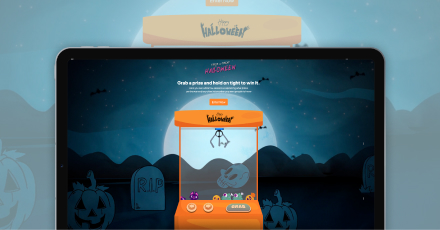
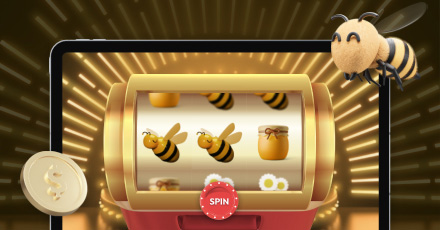
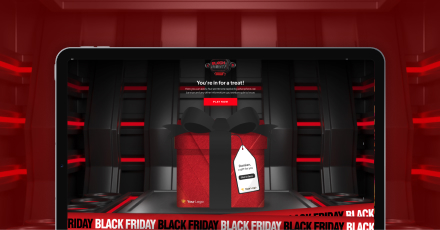
- A wide range of game types including spin wheels, scratch cards, slot machines, and mystery boxes
Whether you’re rewarding loyal customers or running a national sweepstakes, BeeLiked helps you design a promotion that’s fun, fair, and flexible—without risking legal missteps.
We don’t provide legal advice, but our tools are built to support best practices, and we regularly work with legal teams to integrate compliant solutions into marketing campaigns.
Conclusion
Virtual coins only cross the legal line when they’re tied to chance-based promotions with no free access. If you sell or award coins that can be used to enter random prize games, you must offer a simple and equal way for users to get them for free.
Keep your rewards fixed and your systems transparent, and you’ll be running a loyalty program, not a lottery. Add a compliant AMOE, and your sweepstakes can thrive without legal risk.
Want help designing a campaign that balances creativity with compliance? Talk to BeeLiked. We’ll help you launch something customers love and regulators respect.